Seven research teams from across Latin America presented the results of the CLACSO–CAFA Fellowship, consolidating a regional community of knowledge committed to advancing and implementing the right to academic freedom.
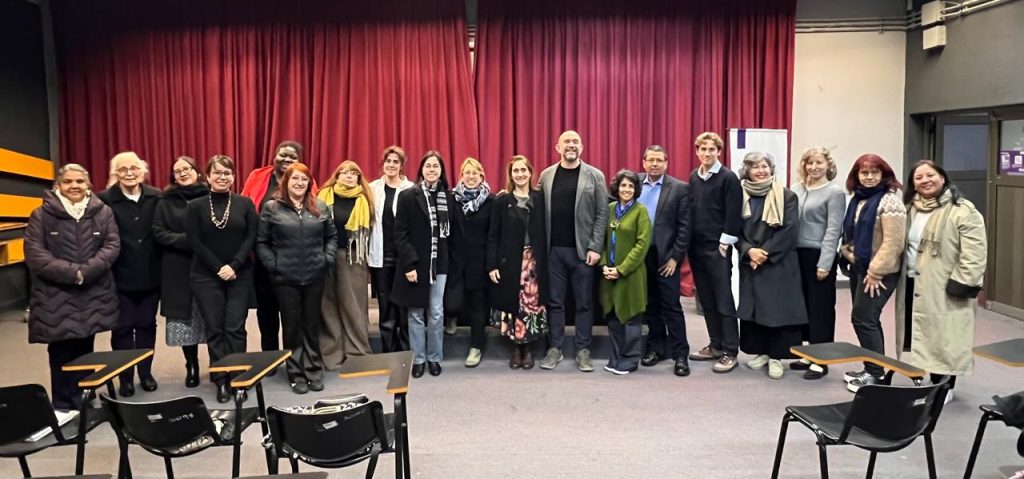
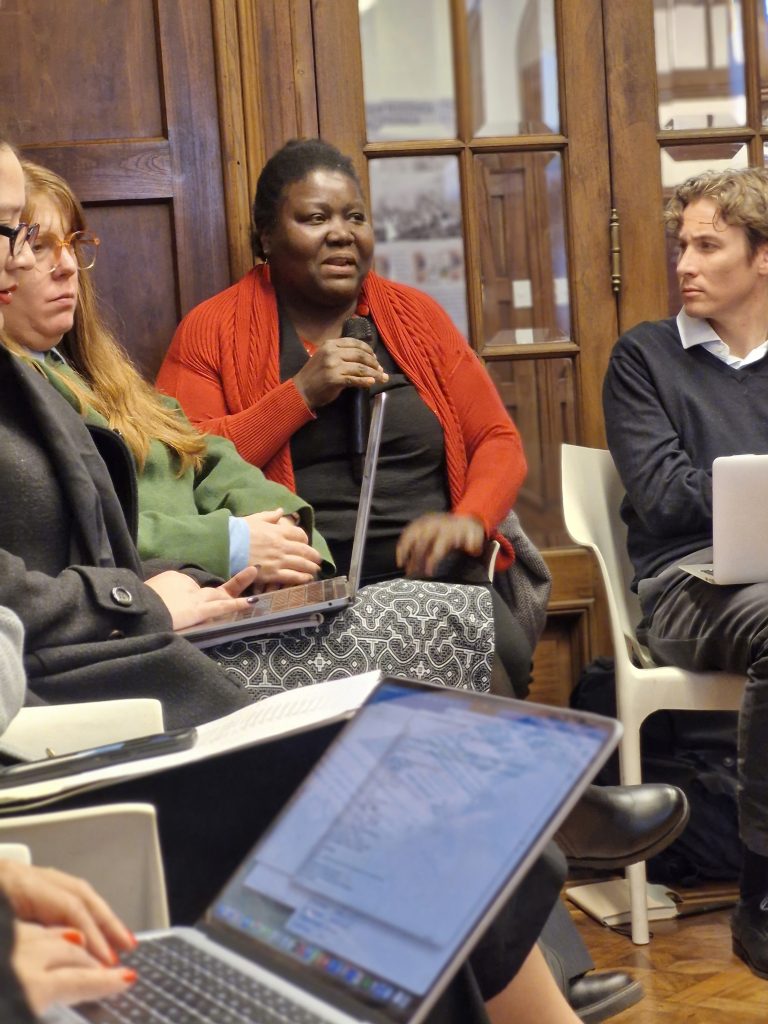
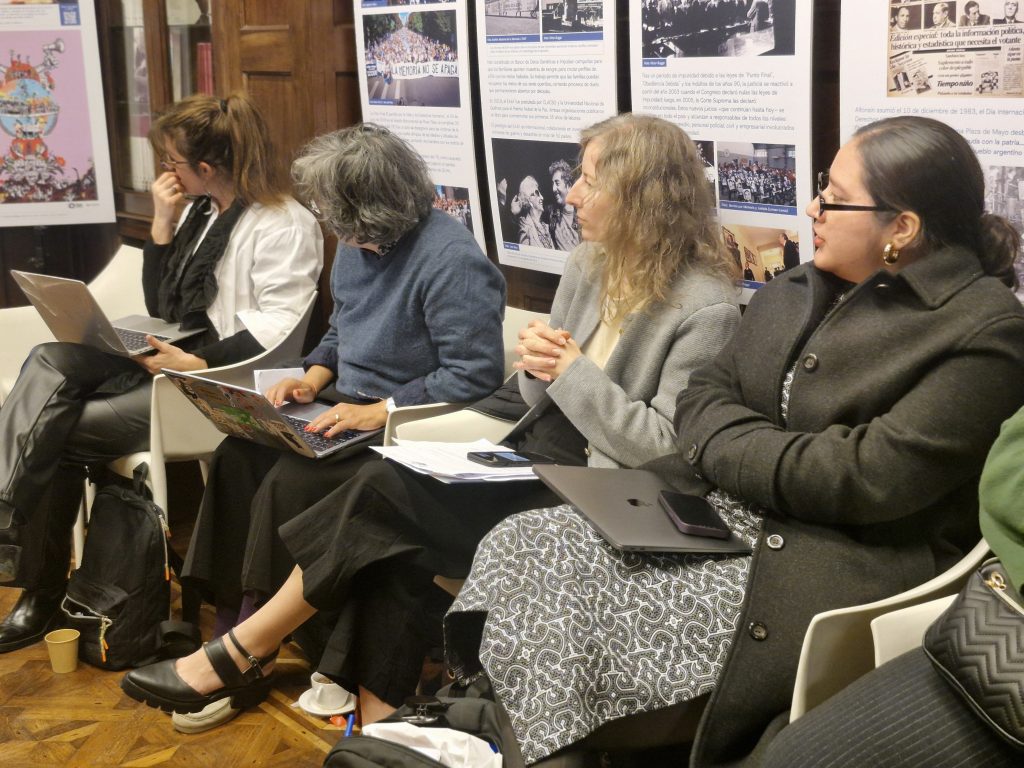
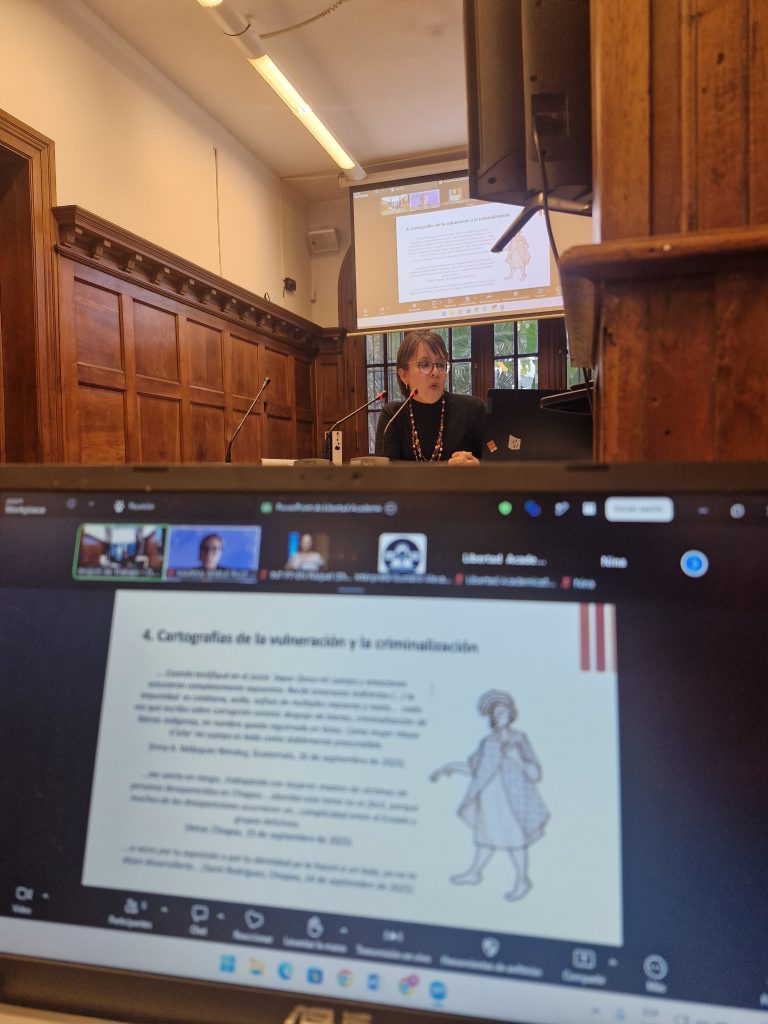
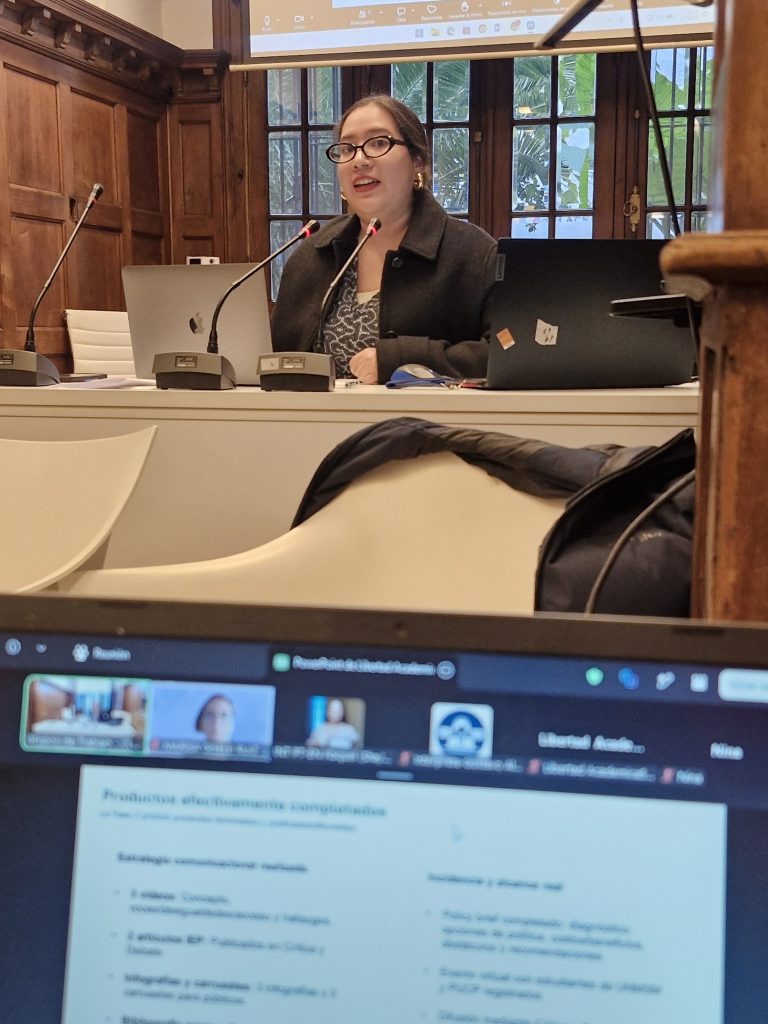
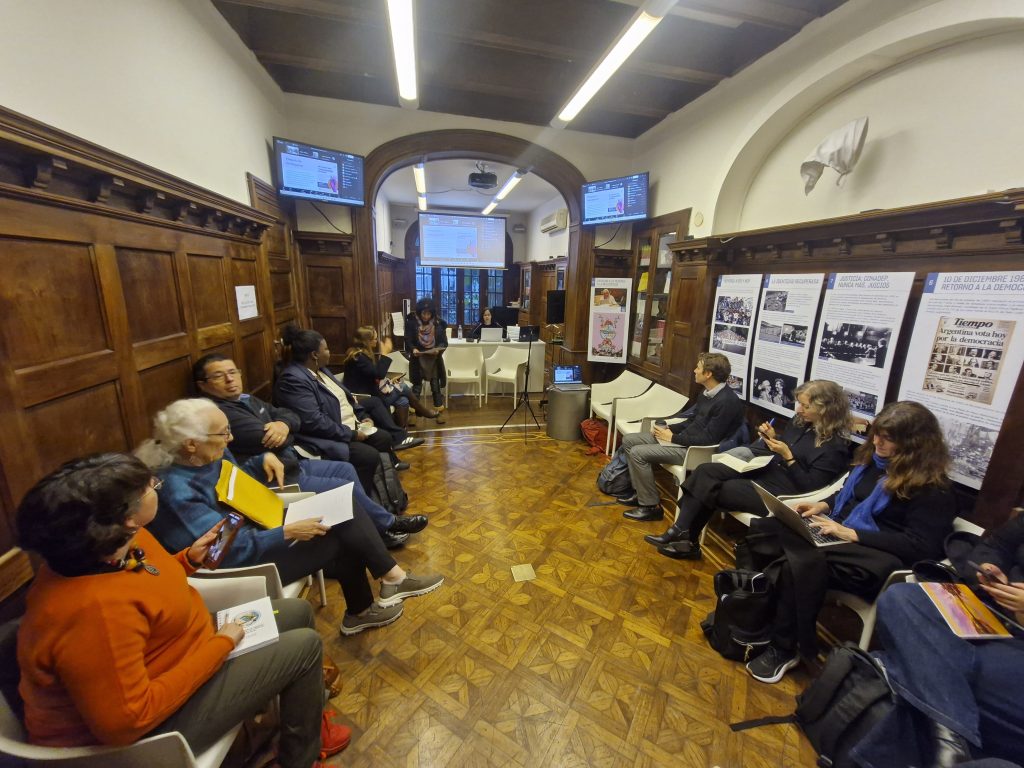
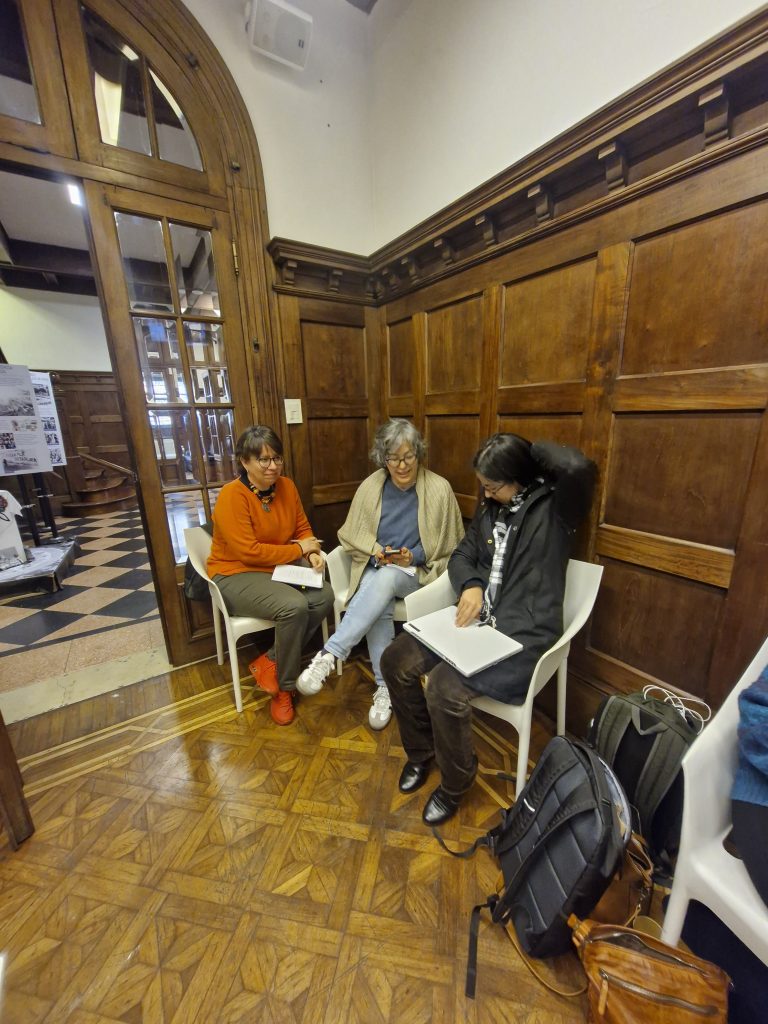
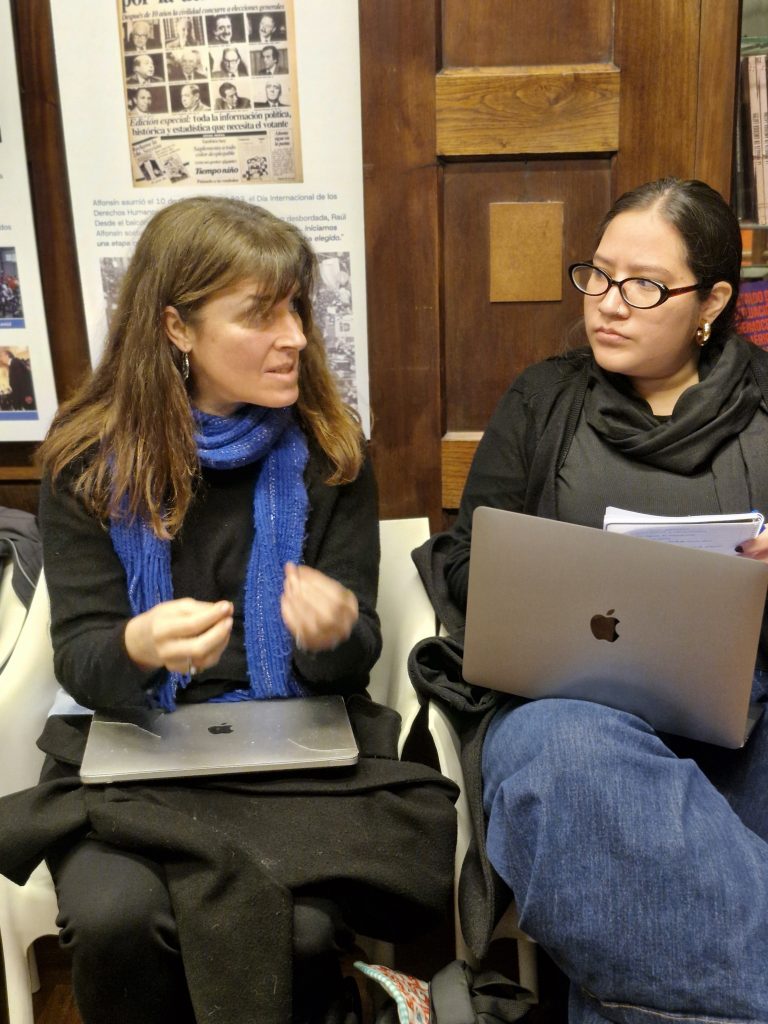
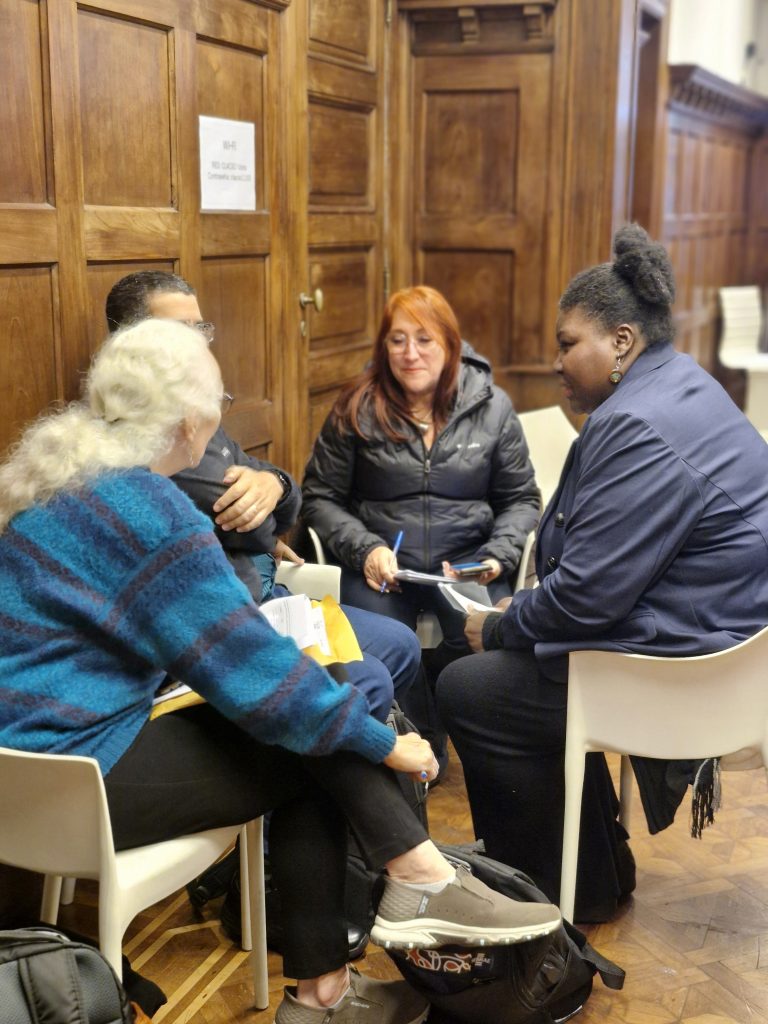
On July 2–3, the Coalition for Academic Freedom in the Americas (CAFA) and the Latin American Council of Social Sciences (CLACSO) held a gathering in Buenos Aires bringing together the Fellows from the program “Strengthening Comparative Research and Critical Thinking in the Framework of Academic Freedom in the Americas,” jointly developed over the past two years.
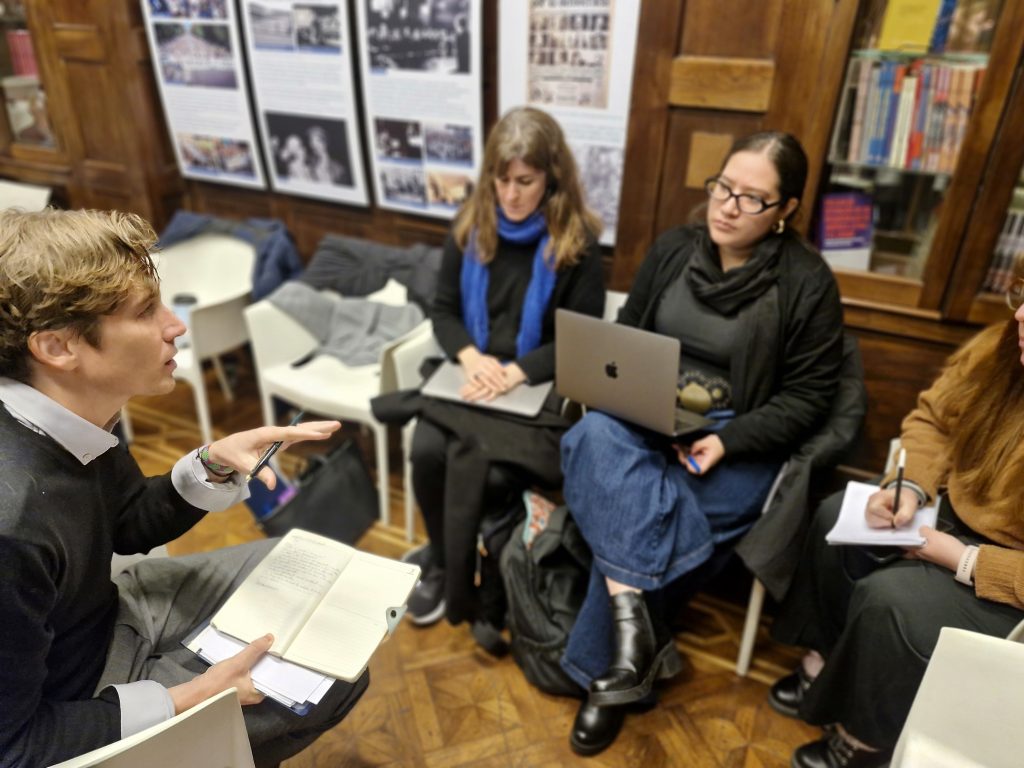
The meeting brought together research teams and their mentors to share the main findings of their projects and collectively reflect on the current challenges surrounding the protection and implementation of the right to academic freedom across the region.
Opening the event, Camilla Croso, Executive Director of CAFA, emphasized that the program’s purpose extends beyond academic production.
“We are constantly thinking about how to transform the results of this research into tools for advocacy. We want this knowledge to reach decision-makers and contribute to implementing the right to academic freedom throughout the Americas.”
Camilla Croso also highlighted that the meeting represents an important milestone in consolidating a regional community committed to academic freedom and announced that the next challenge will be to strengthen collaboration among researchers to ensure the continuity of their collective work beyond the Fellowship.
Pablo Vommaro, Executive Director of CLACSO, stressed that the research demonstrates that academic freedom is a field under constant dispute and faces diverse threats across different national and regional contexts.
“These studies reveal the many dimensions through which academic freedom is contested today. It is a dynamic field that requires rigorous research, regional cooperation, and collective knowledge production to address the challenges confronting our democracies.”
Vommaro also underscored the value of the methodology developed by CAFA and CLACSO, which is based on continuous mentoring and support for the research teams, fostering a collaborative research process and the collective construction of knowledge.
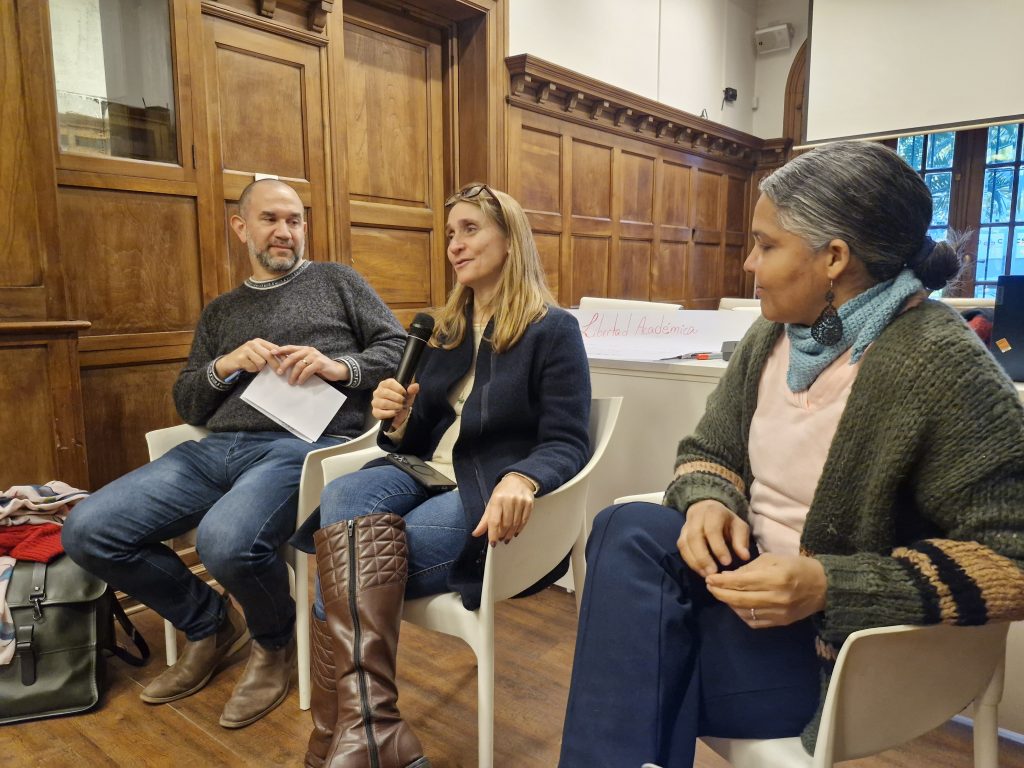
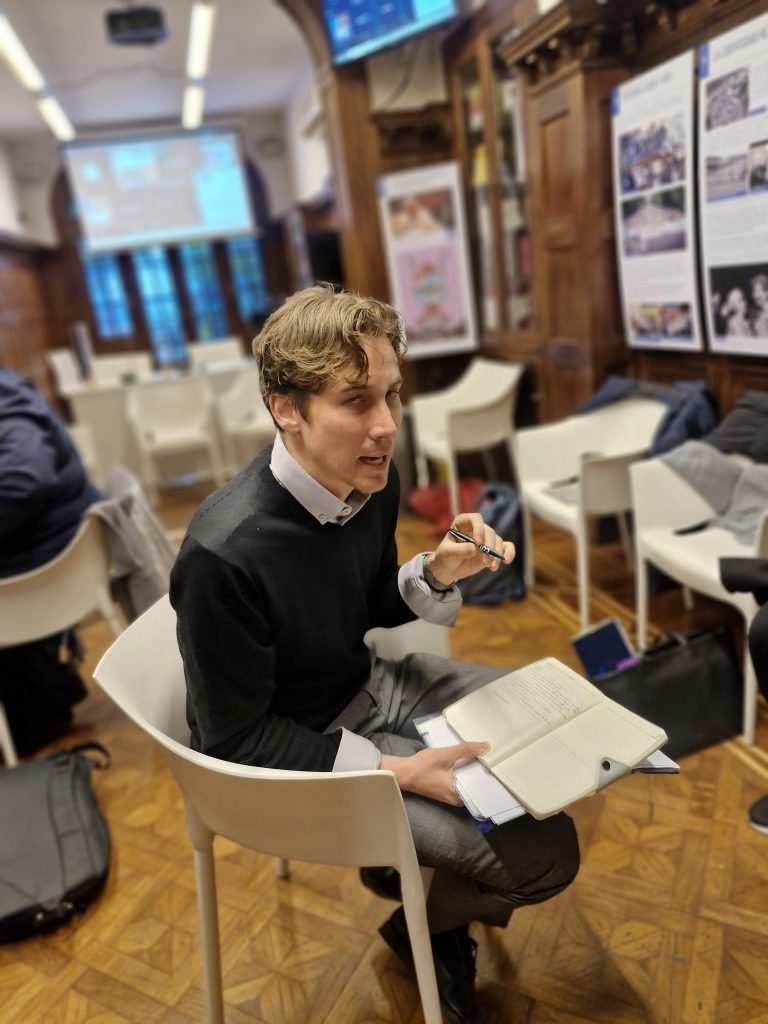
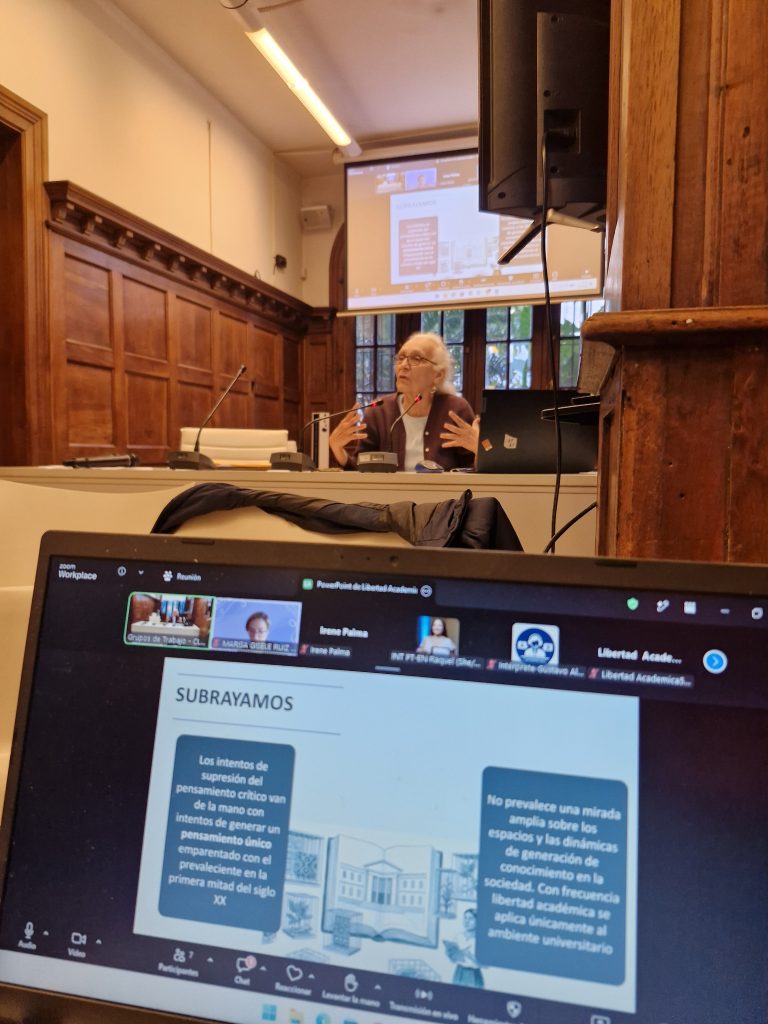
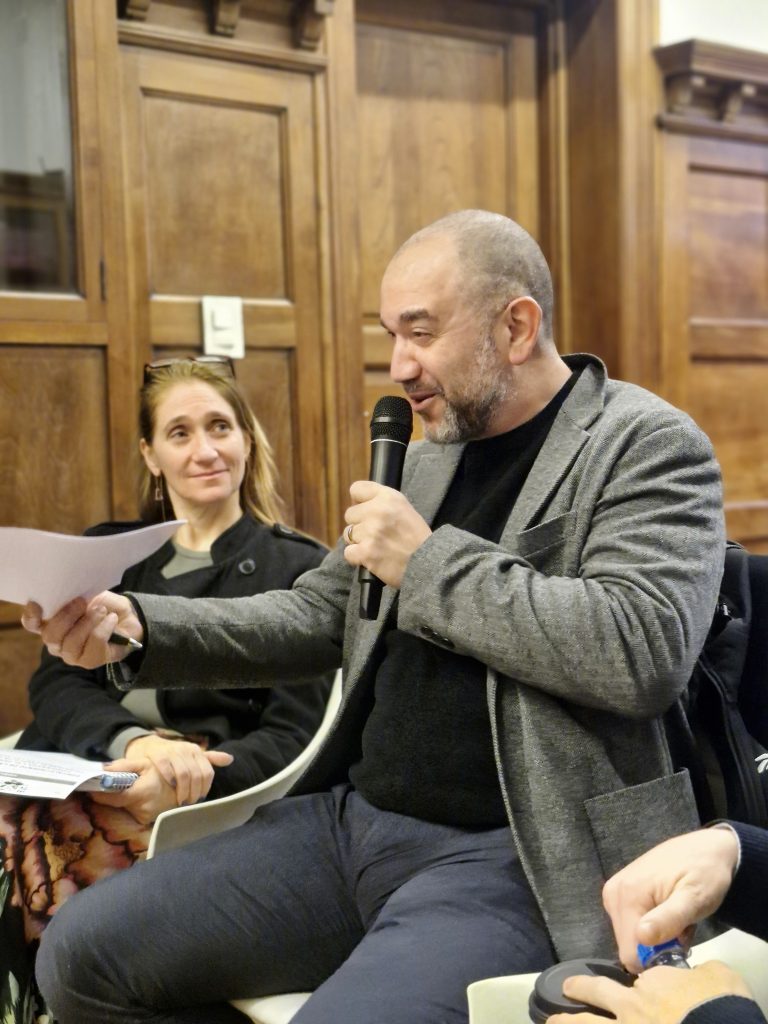
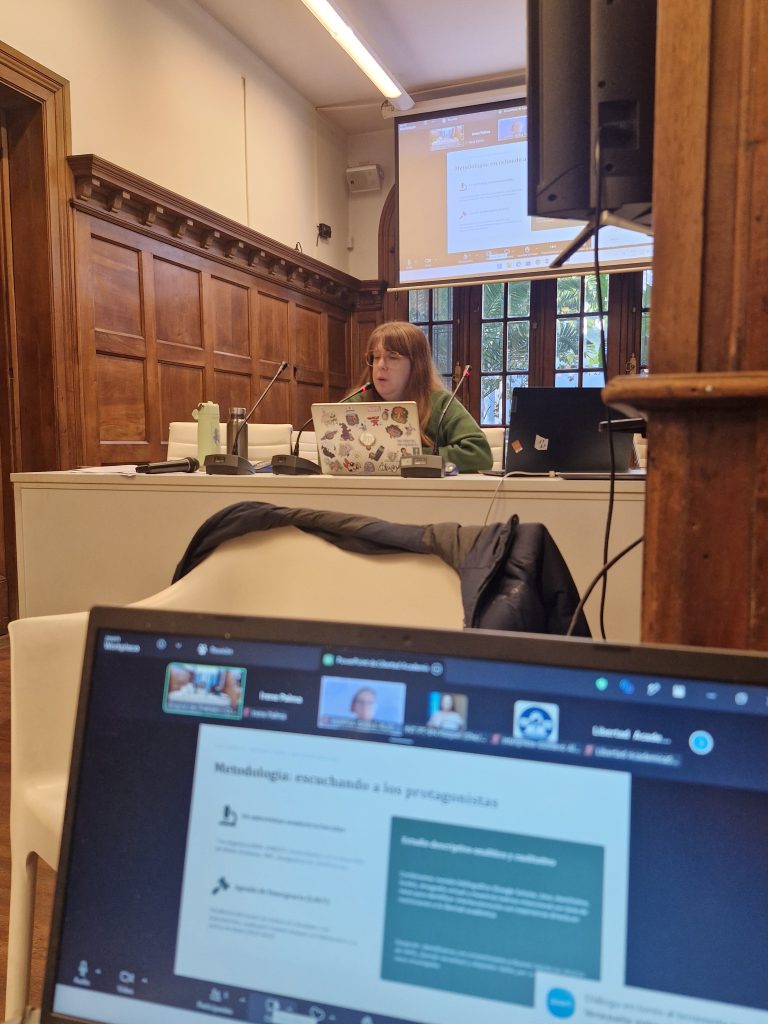
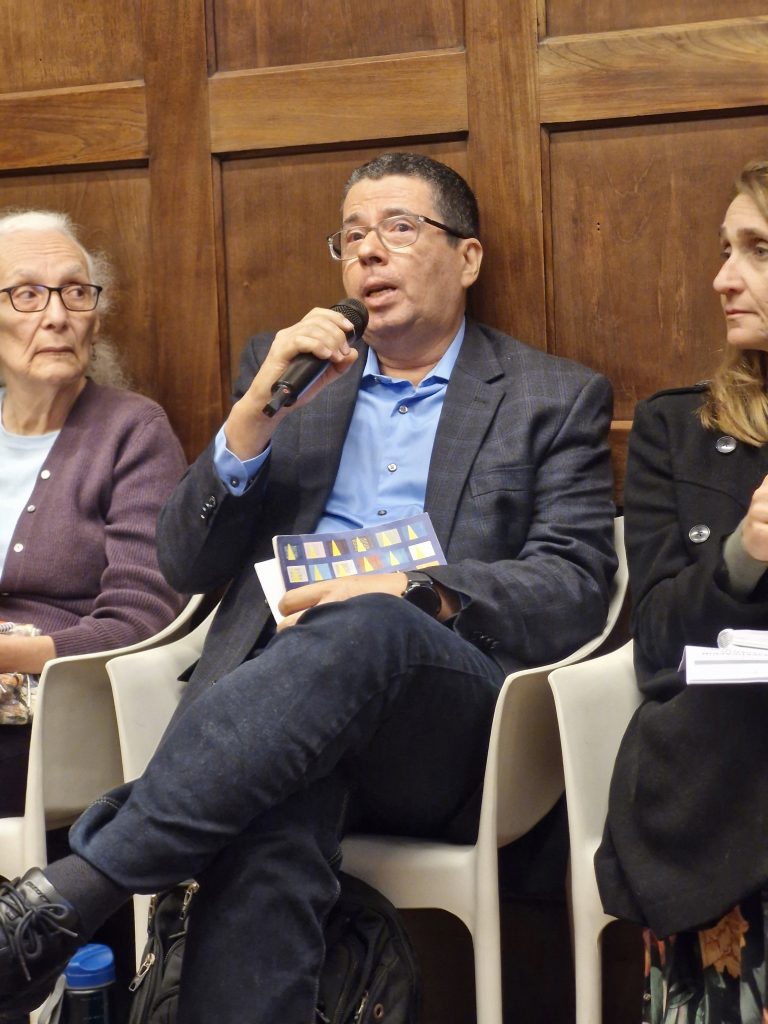
Book launch
As part of the program, on July 2 the Faculty of Social Sciences at the University of Buenos Aires hosted the launch of the book Academic Freedom in the Americas: Trends, Challenges, and Critical Horizons, which brings together the results of the Fellowship’s first research call.
The publication provides a comprehensive overview of the main threats currently facing academic freedom across the Americas, drawing on research conducted in Argentina, Brazil, Costa Rica, El Salvador, Guatemala, Mexico, Paraguay, and Peru.
The chapters examine issues such as racism and sexism in knowledge production, scientific and climate denialism, democratic backsliding, restrictions on university autonomy, structural inequalities in higher education, violence against researchers and critical thinkers, and the growing commercialization of universities.
With an interdisciplinary and intersectional approach, the publication reaffirms that academic freedom is a fundamental human right, essential for democracy, the production of critical knowledge, and the construction of more just societies.
The meeting concluded with a call to strengthen cooperation among researchers, universities, civil society organizations, and international institutions to advance a regional agenda that supports the effective implementation of the right to academic freedom throughout the Americas.
A new phase tostrengthen research, capacity building, and regional advocacy
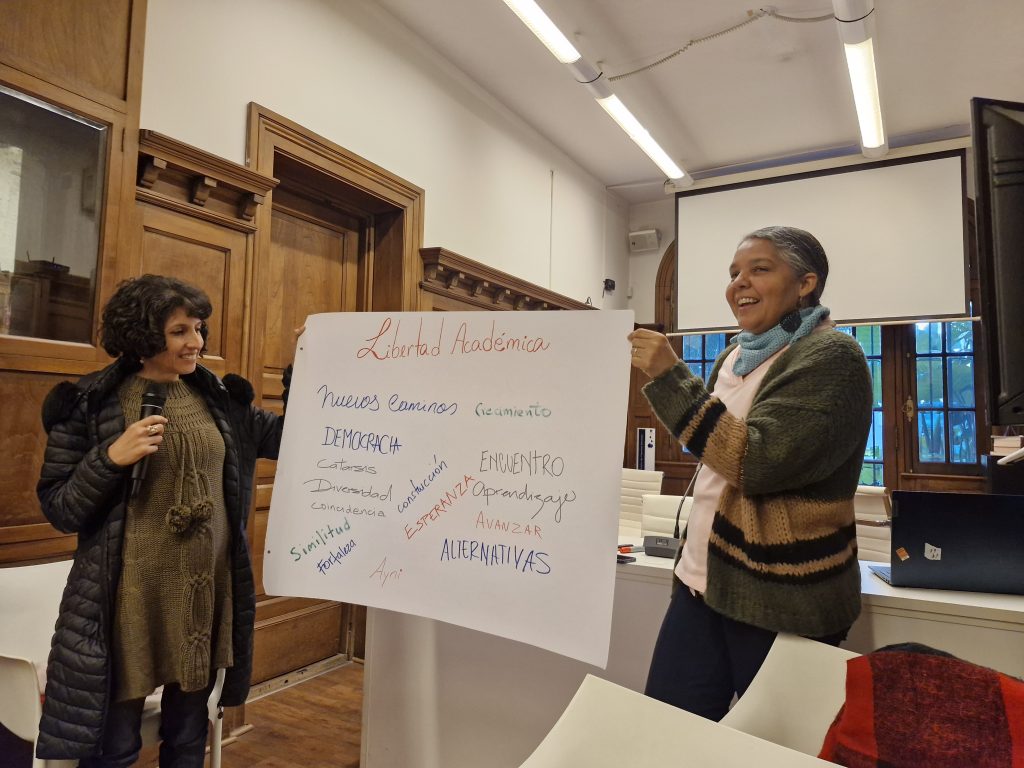
The meeting marked the beginning of a new phase of the initiative led by the Coalition for Academic Freedom in the Americas (CAFA) and CLACSO. Building on the lessons learned from the first cohort, participants defined a roadmap to consolidate a regional community of practice and research by strengthening ongoing exchange among Fellows, fostering collaborative knowledge production, and deepening partnerships with universities, academic networks, and allied organizations.
Among the actions agreed upon are the creation of an internal working group and permanent collaboration mechanisms across cohorts; the development of an open online course (MOOC) on academic freedom; the strategic organization of the program’s outputs in a regional repository; and the expansion of educommunication and advocacy initiatives to increase the reach and impact of the research. Participants also identified opportunities to bring the Fellowship’s findings into international policy-making spaces, ensuring that the evidence generated by the initiative contributes to the implementation of the Inter-American Principles on Academic Freedom and University Autonomy and strengthens the regional debate on the defense of academic freedom.