Editorial colonialism, epistemic racism, and gender-based violence were among the key themes discussed in a debate on the contemporary challenges facing academic freedom across the Americas.
As part of the Latin American Studies Association (LASA) Congress 2026, the Coalition for Academic Freedom in the Americas (CAFA) and the Latin American Council of Social Sciences (CLACSO) organized the panel “Academic Freedom, Inequalities, and Decolonial Struggles in Latin America,” a space for reflection on the challenges faced by those producing critical knowledge in the region and on the need to defend academic freedom as a human right.
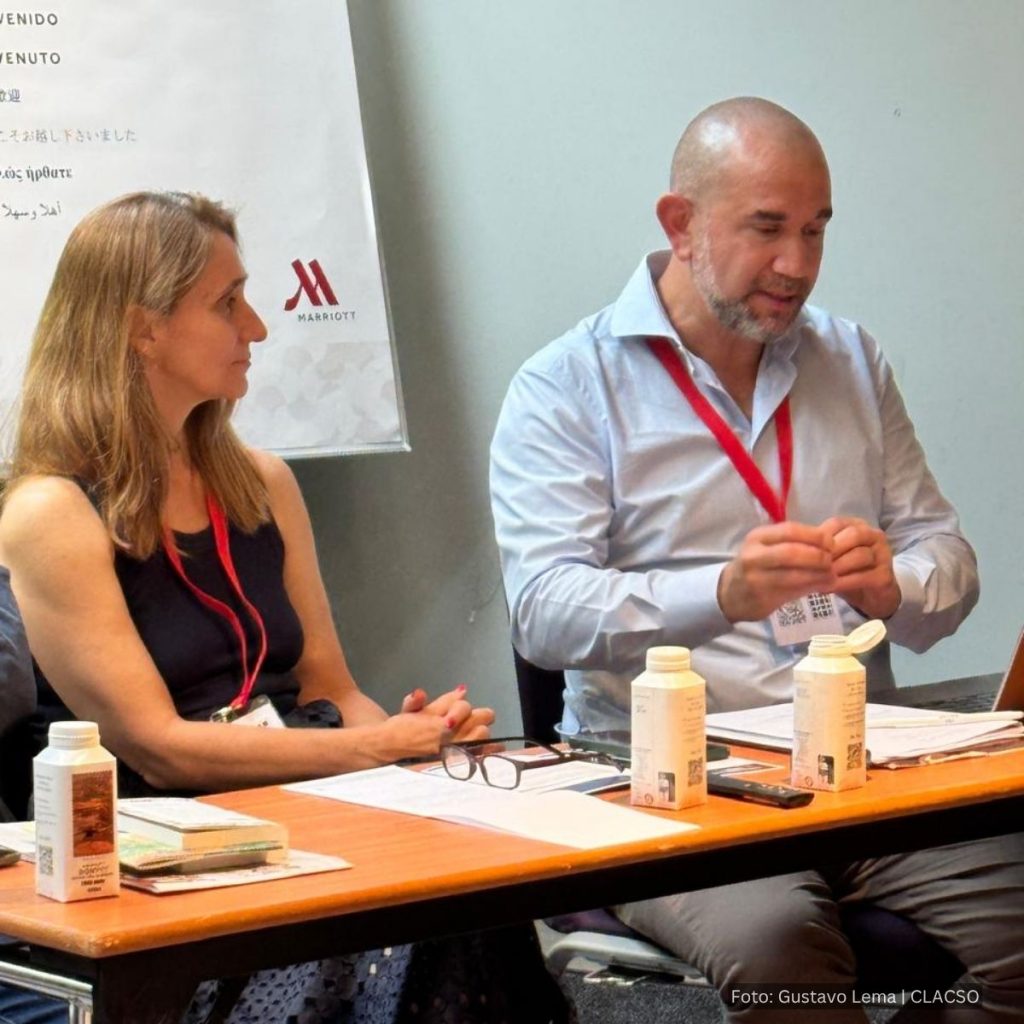
The session was coordinated by Camilla Croso, Executive Director of CAFA, and featured comments by Pablo A. Vommaro, Executive Director of CLACSO. Panelists included Vernor Muñoz, from the Latin American Campaign for the Right to Education (CLADE); Jorge D. García Rincón, from the Asociación de Investigación Afrodiaspórica Descarimba; and Marisa G. Ruiz Trejo, from the Autonomous University of Chiapas.
Held within the framework of the project “Strengthening Comparative Research and Critical Thinking in the Context of Academic Freedom in the Americas,” the panel examined how historical and structural inequalities affect the production, circulation, validation, and recognition of knowledge in Latin America.
Editorial Colonialism and Structural Academic Freedom
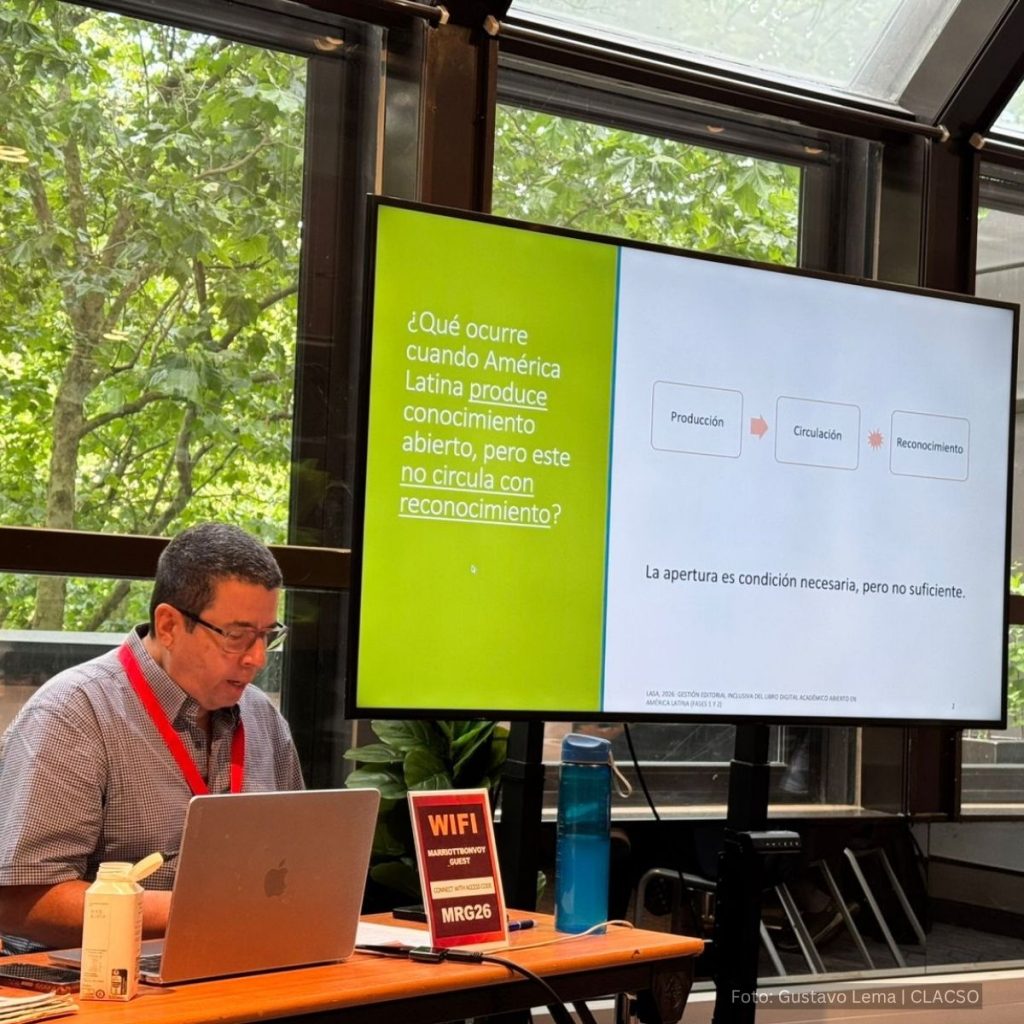
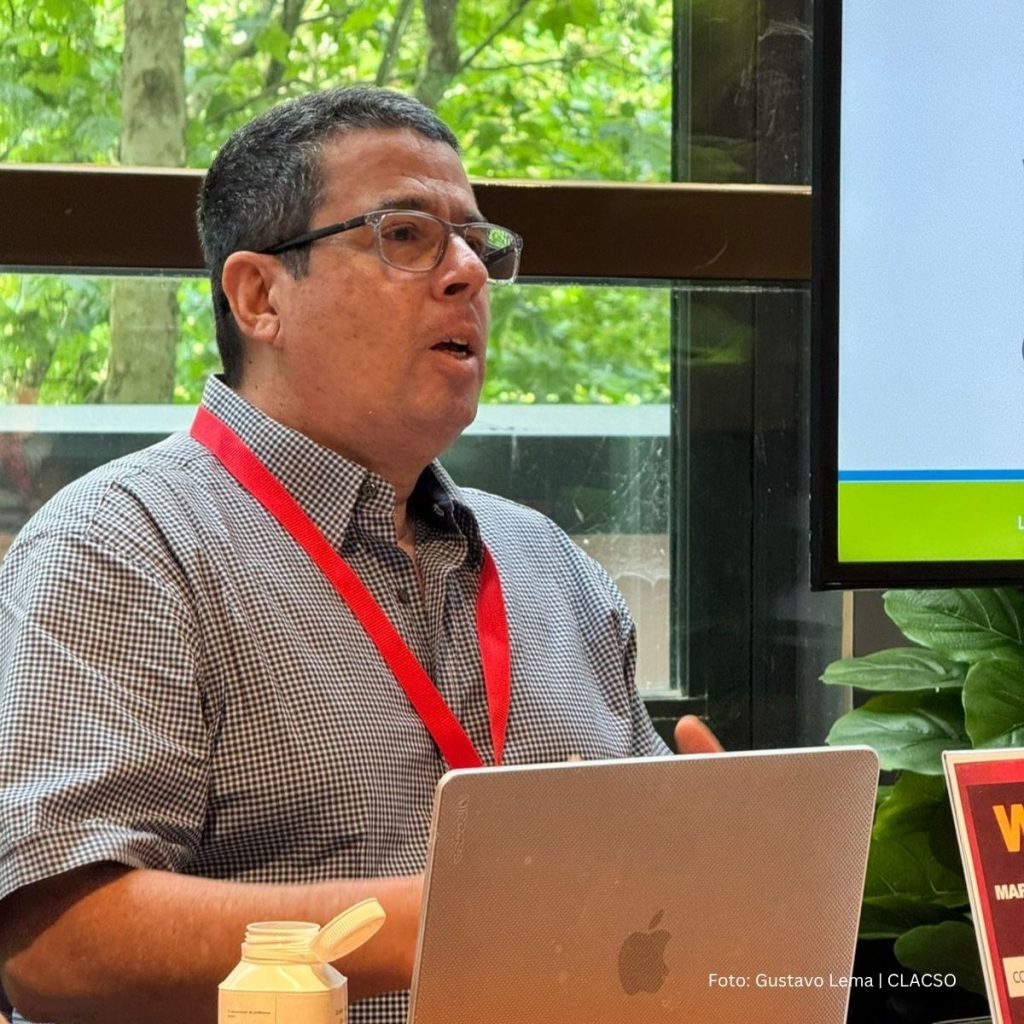
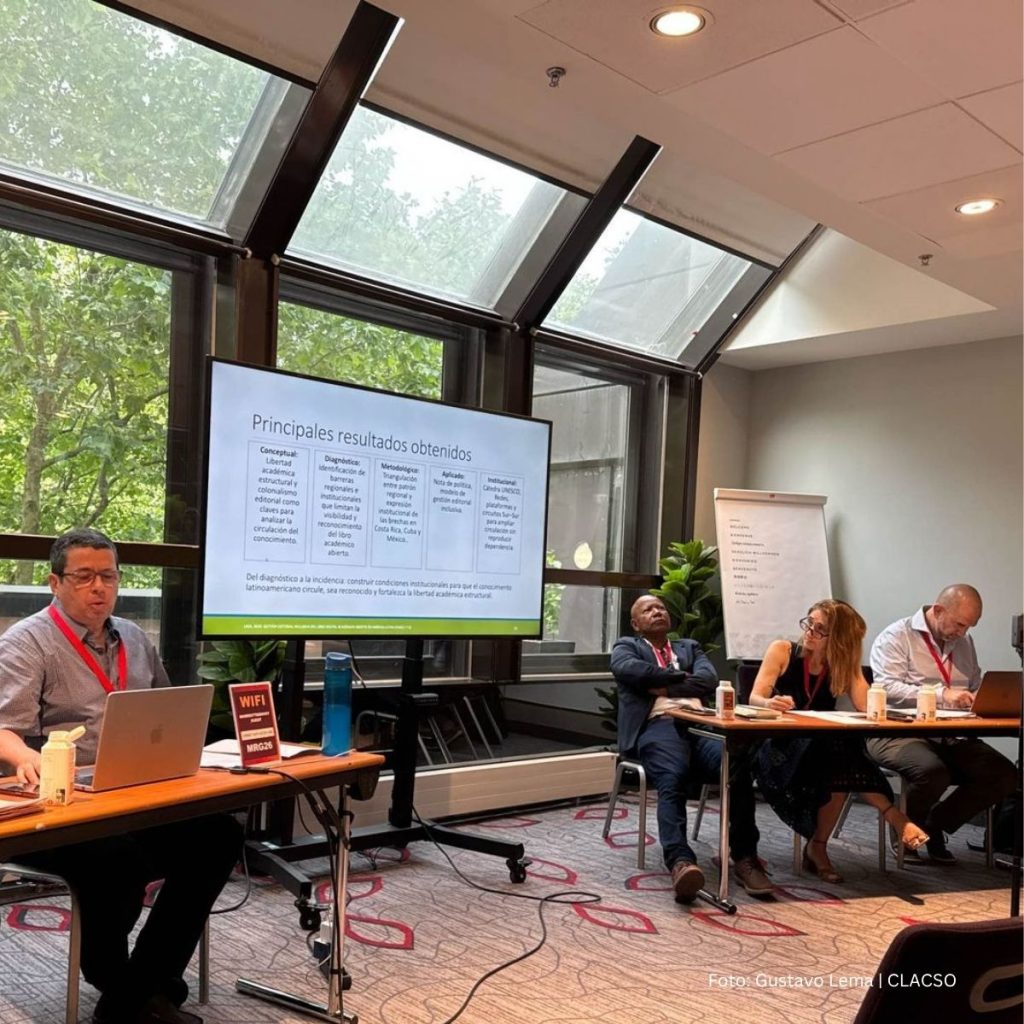
Vernor Muñoz during his presentation. Photos: Gustavo Lema | CLACSO.
In his presentation, Vernor Muñoz proposed broadening the understanding of academic freedom through the concept of structural academic freedom, understood as the effective capacity of institutions to produce, publish, circulate, and secure recognition for knowledge without conditions of subordination.
His analysis focused on the phenomenon of editorial colonialism, defined as a form of domination and epistemic violence that shapes the publication, validation, and circulation of knowledge through structures concentrated in the Global North. According to Muñoz, dominant models of scientific publishing have normalized linguistic, territorial, and disciplinary hierarchies that limit the visibility and recognition of knowledge produced in the Global South.
Muñoz emphasized that open access, while indispensable, does not by itself guarantee the democratization of knowledge. “A book may be available online and still not be found, cited, evaluated, or recognized,” he noted. To address these inequalities, he highlighted the need to strengthen semantic infrastructures, metadata systems, more inclusive evaluation criteria, and South-South cooperation mechanisms capable of expanding the circulation of knowledge without reproducing relations of dependency.
Afrodiasporic Academic Freedom and Epistemic Justice
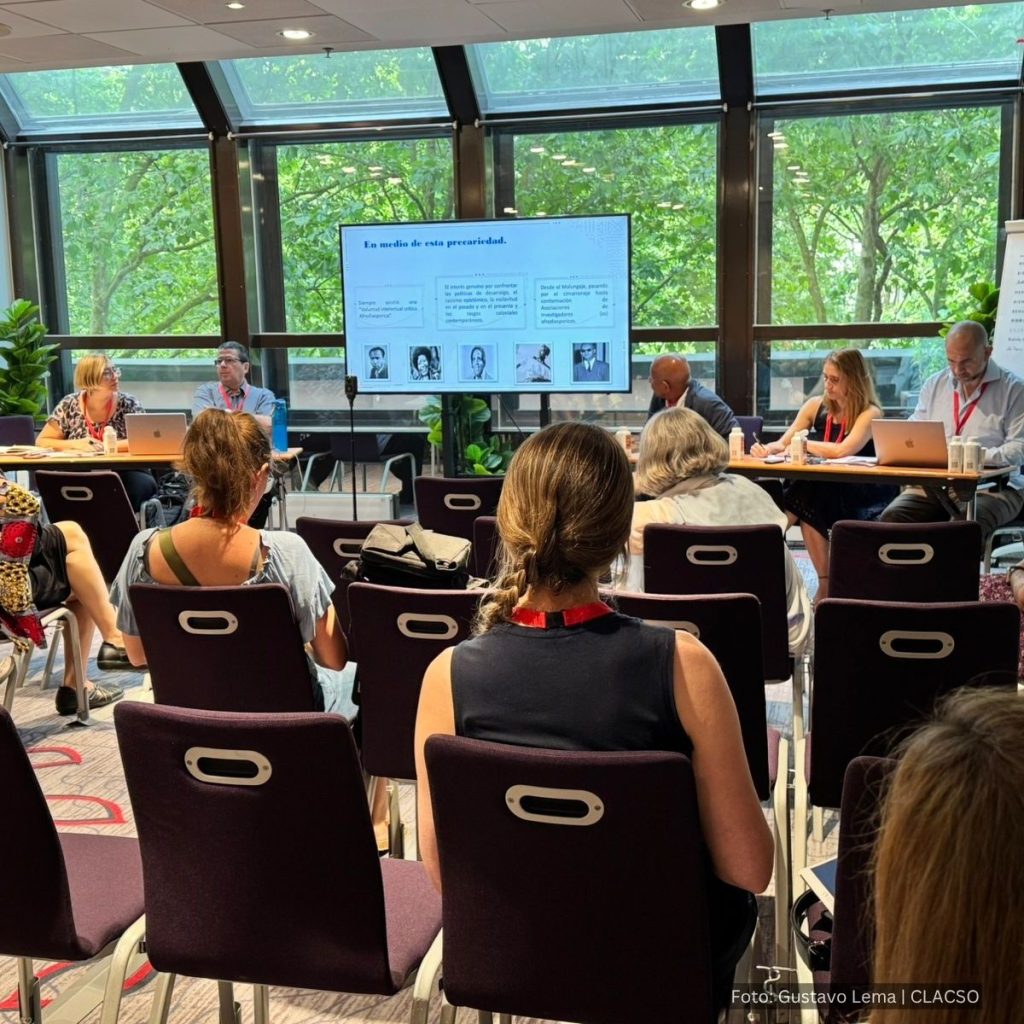
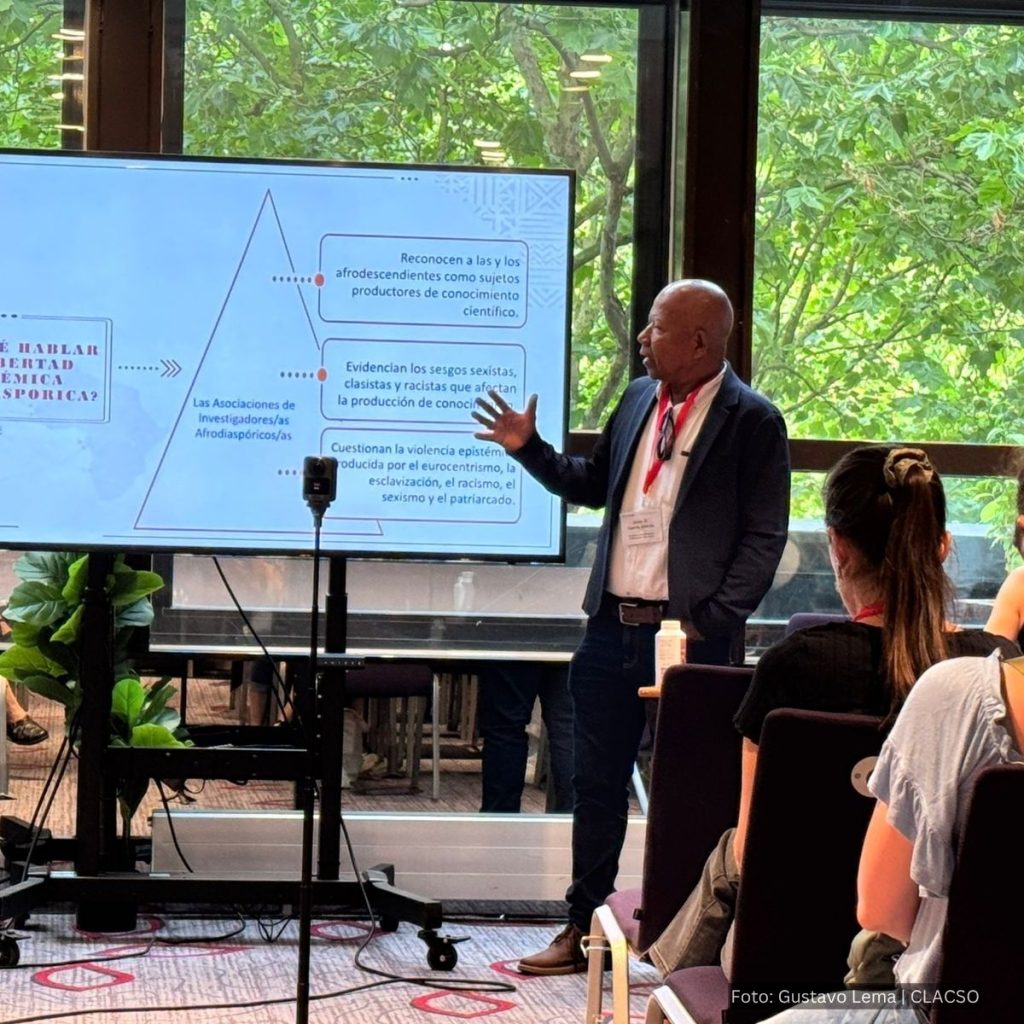
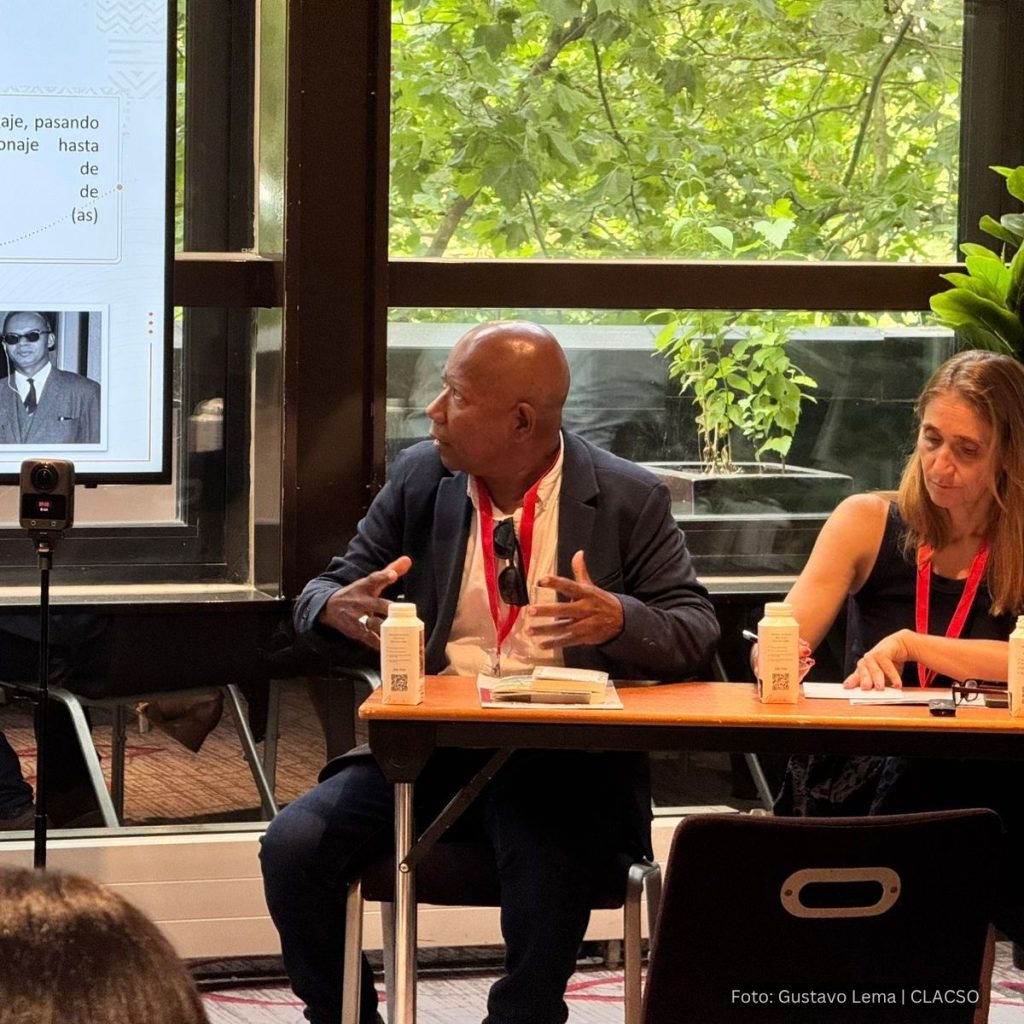
Jorge D. García Rincón during his presentation. Photos: Gustavo Lema | CLACSO.
Jorge D. García Rincón presented findings from research on associations of Afro-descendant scholars and their role in struggles against racism and sexism within academia.
Drawing on the concept of Afrodiasporic academic freedom, he argued that academic freedom cannot be understood as a homogeneous or universal experience, but rather as a right profoundly shaped by ethnic-racial and gender inequalities. In this regard, he stressed that the academic trajectories of Afro-descendant individuals continue to be marked by persistent forms of structural and epistemic racism that restrict access, retention, knowledge production, and the validation of their contributions.
The research showed that Afrodiasporic associations have created their own spaces of legitimacy, including conferences, journals, forums, and research networks, where collective forms of knowledge production are strengthened and traditional structures of academic recognition are challenged. García Rincón also highlighted the leadership of Black and Afro-descendant women, who promote critical vigilance regarding gender inequalities and contribute to humanizing scientific practice through perspectives grounded in care, affectivity, and social justice.
He underscored that advancing academic freedom as a human right requires transforming the institutional structures that have historically subordinated and marginalized Afro-descendant peoples, while fully recognizing their contributions to scientific knowledge.
Feminisms, violence, and resistance in the exercise of academic freedom
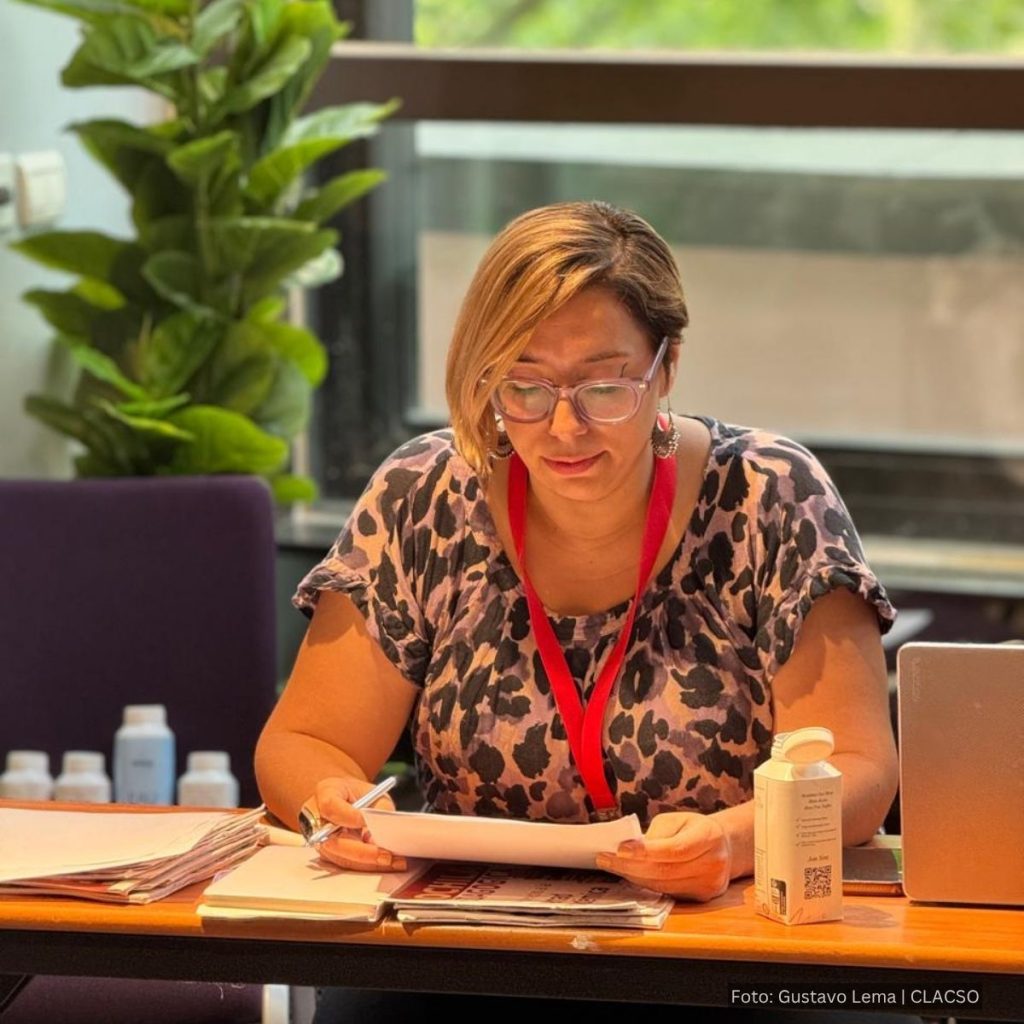
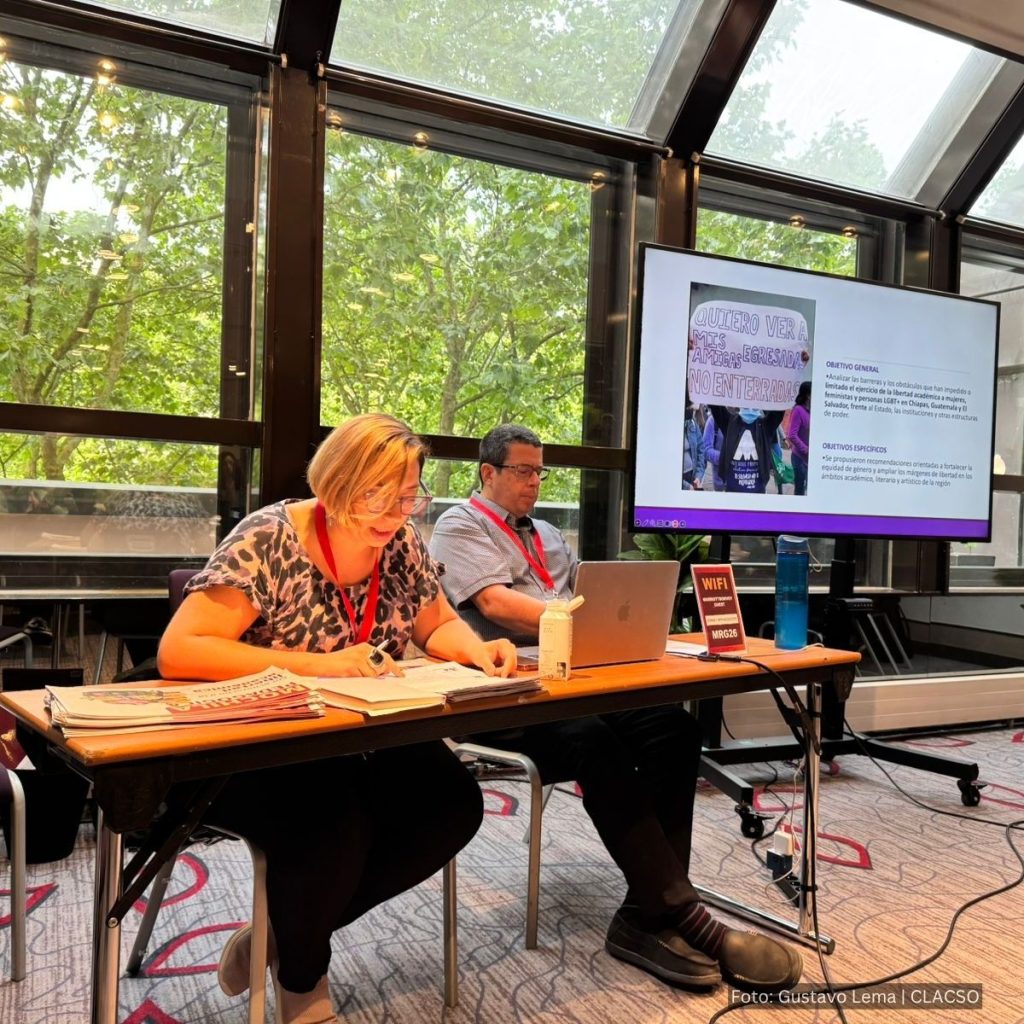
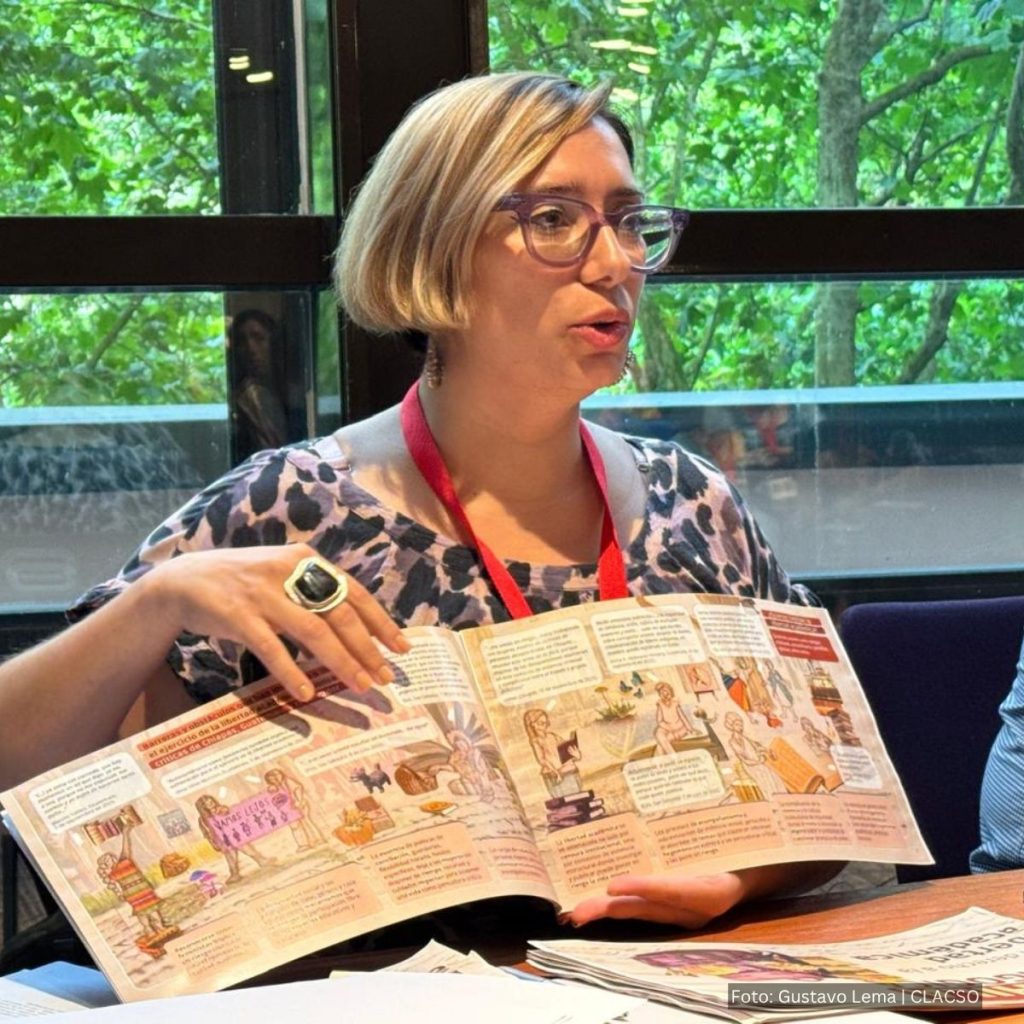
Marisa G. Ruiz Trejo during his presentation. Photo: Gustavo Lema | CLACSO.
Marisa G. Ruiz Trejo presented research on the experiences of critical and feminist thinkers in Chiapas, Guatemala, and El Salvador, highlighting the multiple forms of violence faced by women within academia and other spaces of knowledge production.
Through testimonies gathered during the research, she demonstrated how caregiving and motherhood responsibilities, gender-based violence, harassment, institutional surveillance, the criminalization of activism, and contexts of political violence directly affect the exercise of academic freedom.
The experiences shared revealed that feminist women scholars and human rights defenders face mechanisms of control and exclusion ranging from symbolic and obstetric violence to threats, persecution, and censorship. In Guatemala, attention was drawn to the criminalization associated with defending university autonomy; in El Salvador, to the impacts of the state of exception on freedom of expression; and in Chiapas, to the risks linked to working with communities affected by violence and enforced disappearances.
At the same time, the research documented multiple strategies of resistance and collective action. In response to institutional exclusion, many scholars have created their own spaces for knowledge production, support networks, and communities of care that enable them to sustain their intellectual and political work.
In her concluding reflections, Ruiz Trejo pointed to the paradox of making these experiences visible in contexts where high levels of violence and fear persist. She also emphasized the urgency of strengthening effective protection and support mechanisms capable of guaranteeing academic freedom and freedom of expression as fundamental rights.
Rethinking Academic Freedom Through Inequalities and Decolonial Struggles
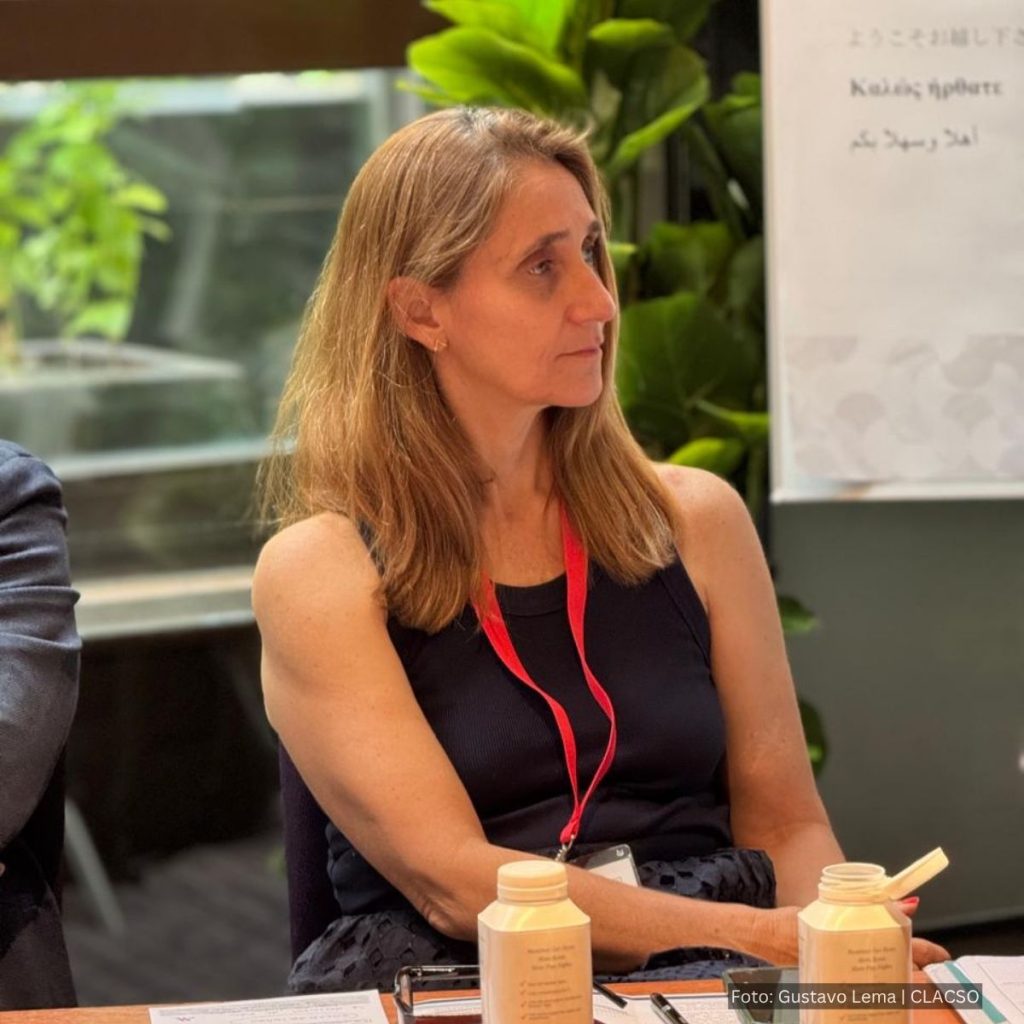
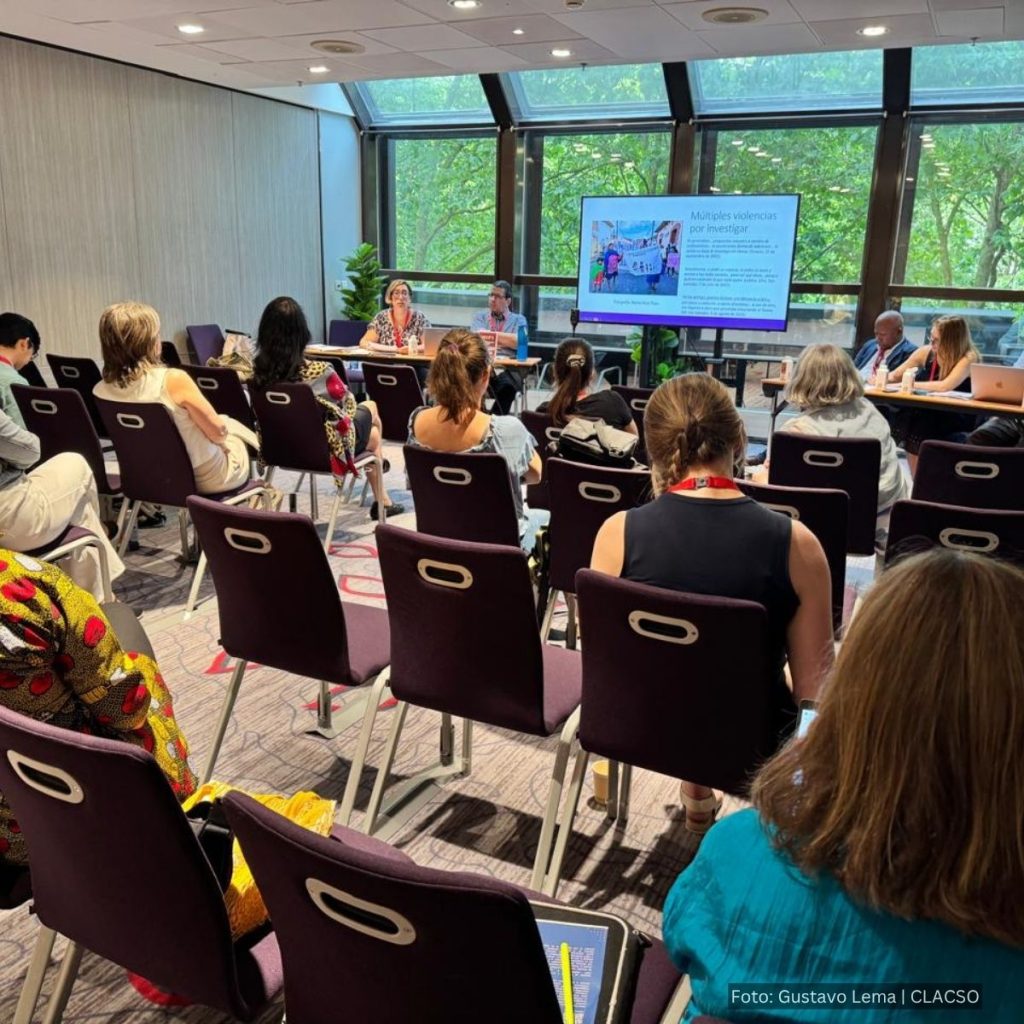
Although focused on different contexts across the region, the three presentations converged on the idea that academic freedom cannot be reduced to the absence of censorship or state interference. Its effective exercise also depends on the material, institutional, racial, linguistic, technological, and gender conditions that determine who can produce knowledge, which forms of knowledge are recognized, and which remain marginalized.
“The panel reaffirmed the importance of promoting a vision of academic freedom connected to epistemic justice, the democratization of knowledge, and the struggles against the structural inequalities that shape Latin American societies. In this regard, the initiative led by CAFA and CLACSO seeks to contribute to the construction of a regional agenda capable of strengthening critical thinking and expanding the conditions for the full exercise of academic freedom throughout the Americas,” stated Camilla Croso.