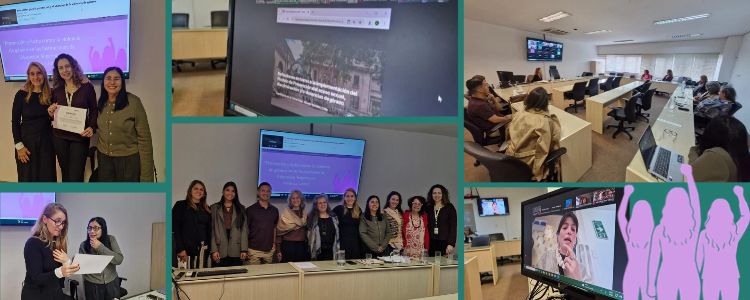
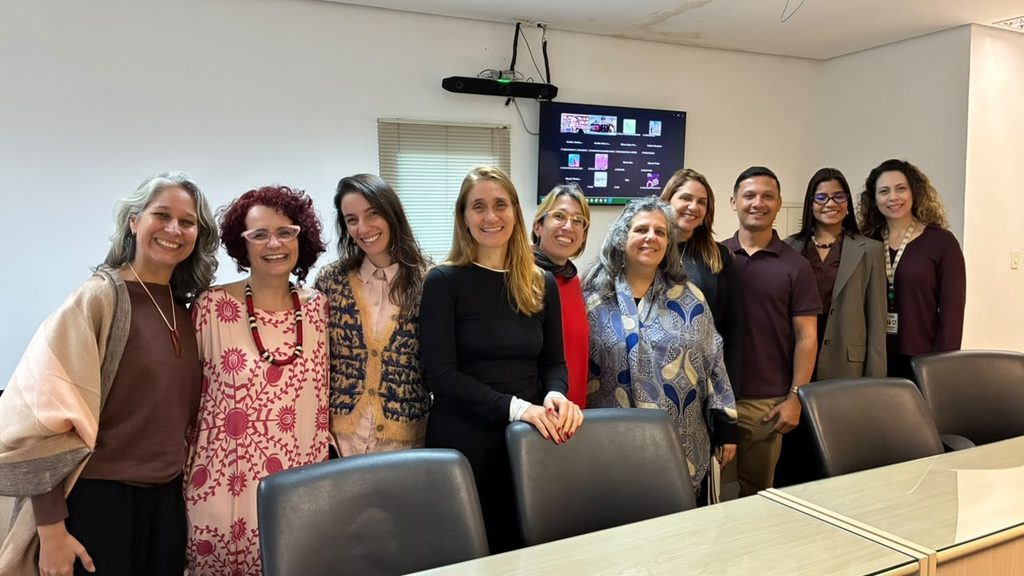
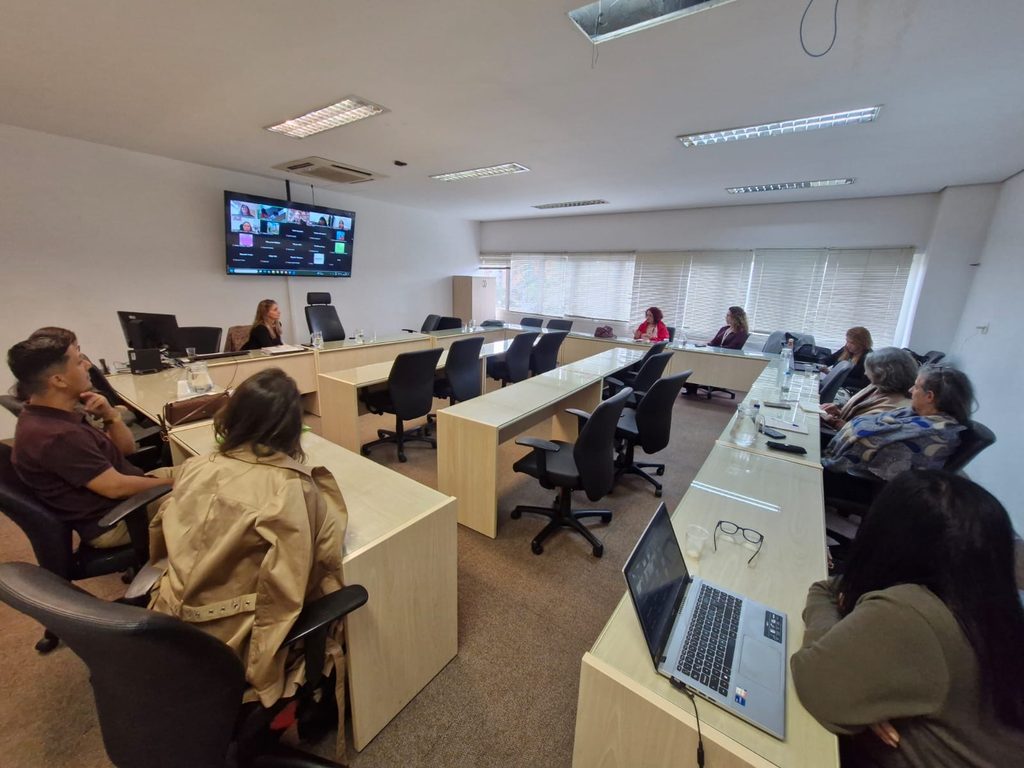
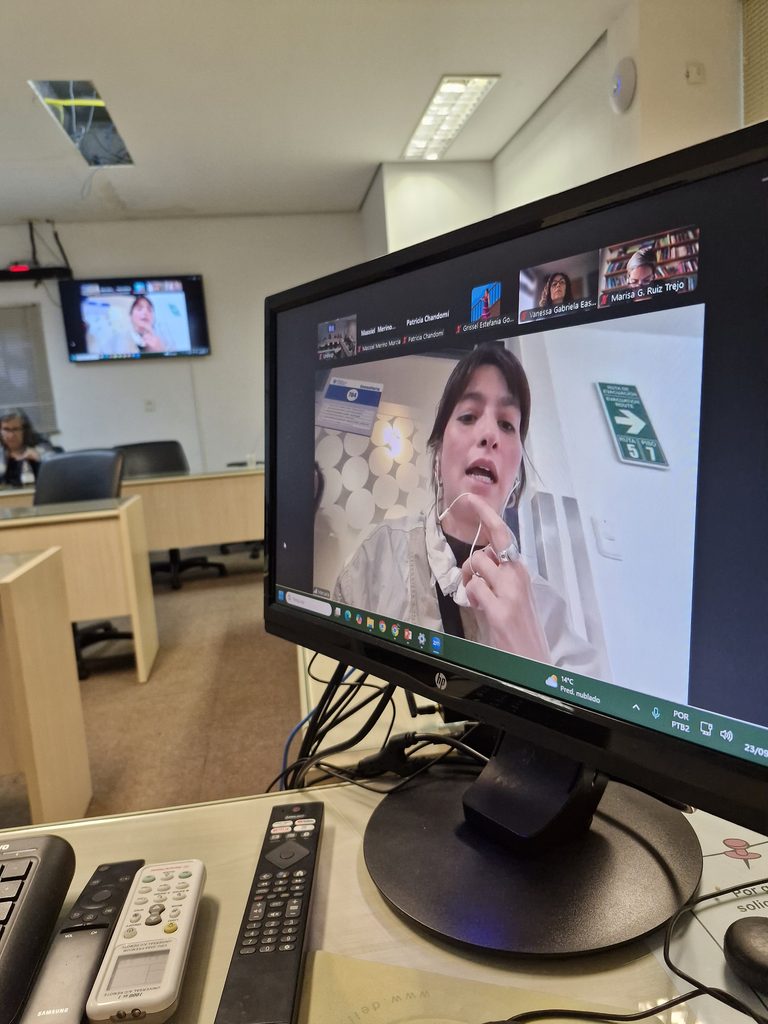
The closing session brought together representatives of participating institutions in person at the Rector’s Office of the Federal University of São Paulo (Unifesp), in Brazil, providing an opportunity to share the work developed throughout the training process.
The Coalition for Academic Freedom in the Americas (CAFA) and desco – Centro de Estudios y Promoción del Desarrollo (Peru) concluded, on September 23, the training program “Prevention of and Response to Gender-Based Violence in Higher Education Institutions in Latin America,” with a hybrid closing session held at the Rector’s Office of the Federal University of São Paulo (Unifesp), in São Paulo, Brazil.
The activity marked the conclusion of a four-month training process that brought together eight teams from higher education institutions in Brazil, Chile, Colombia, El Salvador, and Mexico. Throughout the training, organized into three modules, participants discussed theoretical issues related to gender, violence, intersectionality, and masculinities; exchanged practical experiences; analyzed legal and policy frameworks, as well as public and institutional policies; and completed a final project aimed at putting their learning into practice through the development of strategies to prevent and address gender-based violence at their universities.
The closing session included presentations of the eight final projects developed by the participating institutions and provided an opportunity to strengthen the connections built throughout the process. These connections will continue to be fostered through the creation of an alumni group for the first cohort of the training.
“It feels like we started just yesterday,” said Molvina, from desco, during the closing session. Reflecting on the journey of these almost four months, she emphasized the importance of continuing the process and noted that CAFA and desco will continue to convene the group to follow up on the implementation of the work plans developed by the participating institutions.
For Molvina, the training successfully brought together content, experiences, and tools that can contribute to concrete processes of institutional transformation.
“I believe the course has been valuable and useful for the participants. The articulation of the content across the three modules, the quality of the instructors, and the duration of the program contributed to a solid learning experience. This is reflected in the final reports prepared by the participants, which demonstrate a good level of quality and, in addition, present concrete and feasible proposals.”
The desco representative also highlighted the network built throughout the training as one of the process’s outcomes.
“A network has also been created. It is still at an early stage and needs to be strengthened, but it represents an important starting point for promoting action to address gender inequalities, developing strategies to prevent and combat gender-based violence at universities, and contributing to the defense of academic freedom.”
From training to institutional transformation
For CAFA, the conclusion of the training also marks the beginning of a new stage: implementing and accompanying the proposals developed by the participating institutions.
“We are very happy, and we want this group to continue as a group,” said Camilla Croso, Executive Director of CAFA, during the closing session. Emphasizing the importance of accompanying the implementation of the work plans, Croso also noted that the connections built throughout the training may open new possibilities for collaboration with national and regional networks and institutions.
For the CAFA Executive Director, the training process contributed to advancing institutional transformations capable of addressing gender-based violence and patriarchal relations in university settings in a sustained manner.
“This course is a starting point for advancing a transformation that is fundamental for higher education institutions: we cannot accept the persistence of gender-based violence in university settings, within patriarchal structures, as something normal. Strengthening institutional capacities to prevent and address it also means strengthening the conditions for the exercise of academic freedom,” said Camilla Croso.
The training is grounded in the recognition that gender-based violence constitutes a human rights violation and that its impacts also affect the exercise of academic freedom. Harassment, discrimination, and other forms of violence can affect the conditions for participation, learning, research, and knowledge production.
From this perspective, preventing and responding to gender-based violence is not only a matter of protection and well-being within universities, but also a dimension of the institutional conditions necessary for students, faculty, researchers, and other members of academic communities to fully exercise their rights.
The continuation of the group and the follow-up to the work plans will make it possible to monitor this process and contribute to translating the learning developed throughout the training into concrete changes within the participating institutions.
A space to share learning and strengthen networks
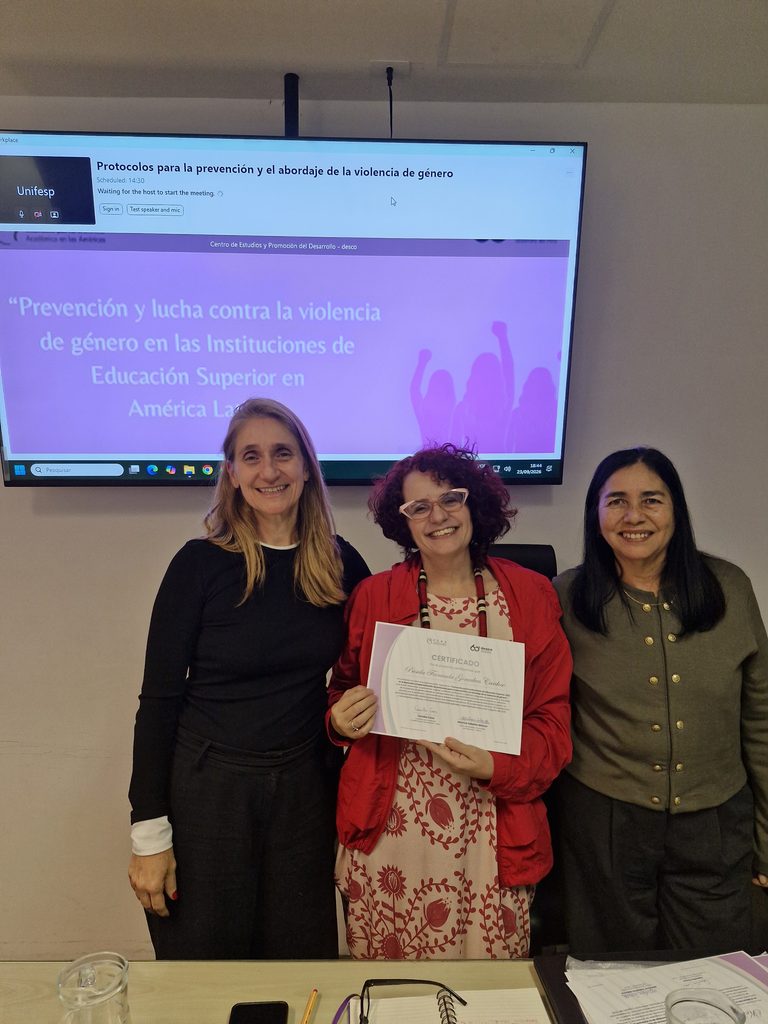
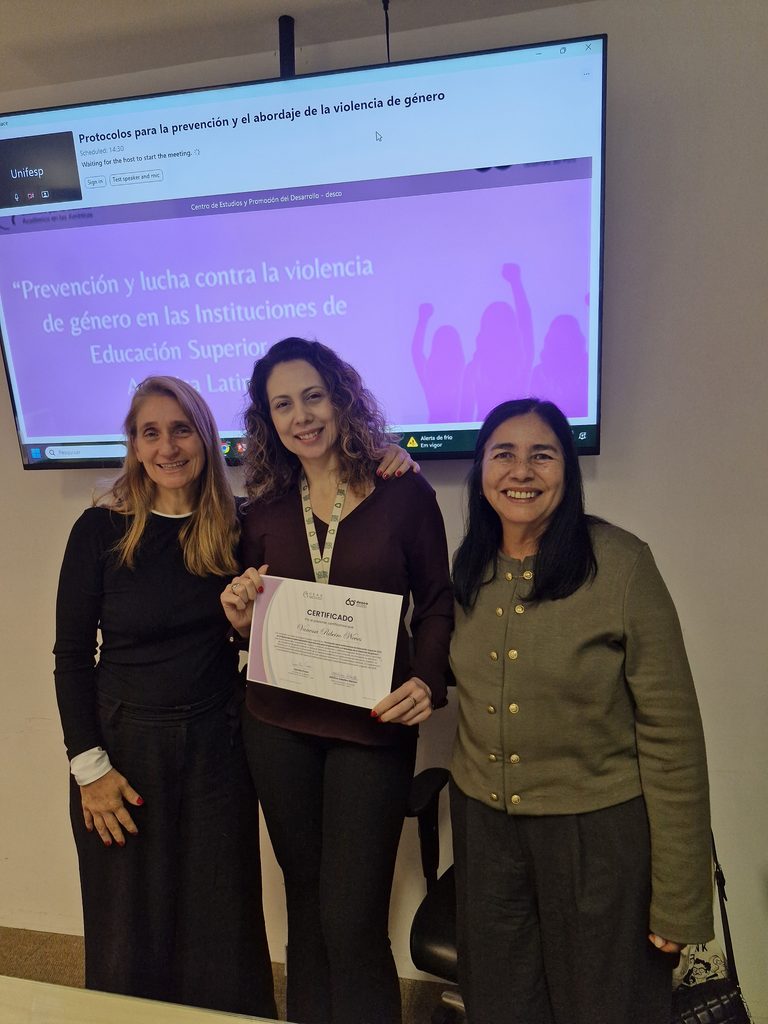
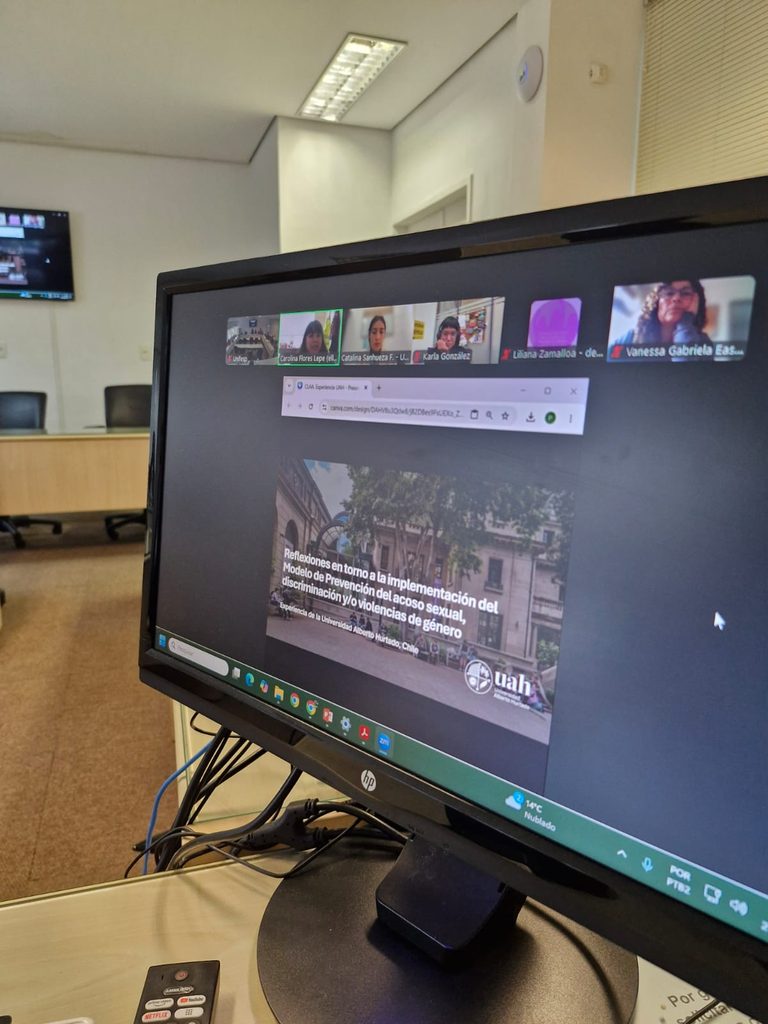
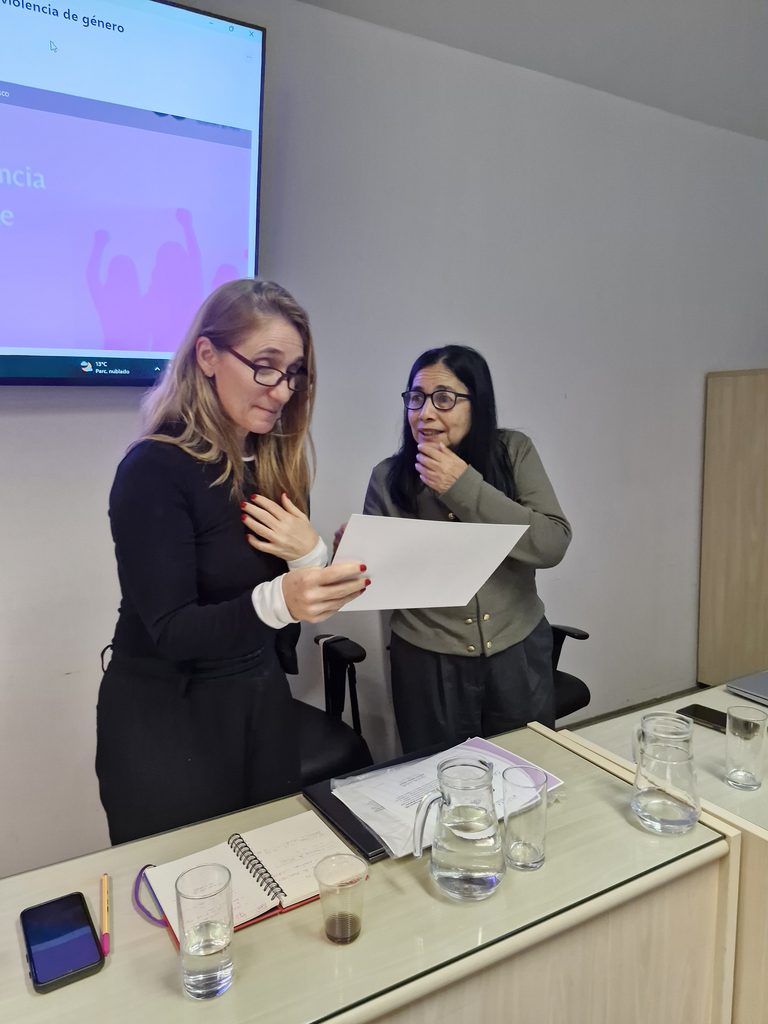
The closing session was attended by Prof. Dr. Lia Rita Azeredo Bittencourt, Vice-Rector of Unifesp (2023–2027 administration), who welcomed the participants on behalf of the university’s Rector’s Office.
“I am very happy to have you here for the closing of this course on the prevention of and response to gender-based violence in higher education institutions in Latin America,” said the Vice-Rector, highlighting the participation of universities from Brazil and other countries in the region.
Lia Rita Azeredo Bittencourt also emphasized the regional nature of the initiative and the diversity of institutions involved, highlighting the importance of translating the learning developed throughout the course into concrete actions.
For Joana, a professor at the Federal University of São Paulo and a member of CAFA’s Gender Working Group, the training represented an important pilot experience for strengthening collaboration among higher education institutions across Latin America.
“This year, we had the first pilot project on the prevention of and response to gender-based violence in higher education institutions in Latin America. This project was carried out in partnership between CAFA and desco and focused on the political and strategic articulation of references and experiences to develop strategies to address and overcome gender-based violence.”
According to Joana, one of the main contributions of the process was precisely the opportunity to connect experiences developed at different universities across the region and to identify both the specificities of each context and common elements.
“The most important aspect was the connection among these Latin American university institutions and the strategies that are being developed and consolidated within each academic setting, through protocols and forms of support in cases of gender-based violence, but, above all, through a regional overview of how this violence is being addressed and what challenges we still need to overcome.”
The experience also made it possible to identify similar forms of violence across different university contexts, shaped by dimensions of class, race, gender, generation, and ethnicity.
“Although universities have specific challenges and their own strategies for addressing these forms of violence, there is also an important demand that needs to be consolidated: stronger regional collaboration and Latin American integration, with a broader approach to overcoming these forms of violence.”
For Joana, this regional perspective makes it possible to develop strategies that go beyond traditional institutional frameworks and take into account the historical trajectories of countries and the multiple ways in which violence affects academic communities.
“This first meeting and this first project were an important milestone. The hope is that we can move these proposals forward, consolidate new projects and new stages of deepening this debate, and, above all, advance toward a broader and more international approach to preventing and combating gender-based violence in higher education institutions across the Americas.”
The participants’ perspectives also made it possible to assess the concrete outcomes of the training. Vanessa Neves, Coordinator of Sexual Diversity and Gender Equity Promotion at the Federal University of São Paulo and a participant in the course, highlighted both the pedagogical structure and the exchange among institutions.
“It was a wonderful experience. The course was very well structured, with highly interconnected topics. They invited people who are truly leading experts in each of the classes, so we were able to learn, discuss, and reflect together with people who are genuine references in the topics they addressed.”
Vanessa also highlighted the final project as an opportunity for each institution to analyze its own reality and develop context-specific strategies.
“The final project was an excellent opportunity to think about the reality of each institution: how these actions should be articulated within that context and what strategies could be developed. We had to build a theoretical framework connecting everything we had learned throughout the course, present the regulatory framework of our universities, provide an overview of how gender-based violence was being addressed at that time, and, based on that, develop an action plan.”
For her, the presentation of the final projects was one of the most enriching moments of the process, as it allowed participants to learn about different institutional realities and strengthen connections among them.
“The strategy of presenting the final projects, with each participant bringing the reality of their university to share with the group, was very enriching. We were able to understand how things work in other contexts, meet people, exchange contacts, and truly build a network for work and learning.”
Reflecting on her experience, Vanessa also highlighted the personal and collective dimension of the learning process.
“I am very happy to have been able to participate. I leave the course much better than I entered it, because the reflection was truly very strong, mutual, and rich in content. I am also very happy about the new contacts I was able to make through the course.”
The closing session thus not only provided an opportunity to present the outcomes of the training process, but also reaffirmed the commitment of participating institutions to building university environments that are safer, more inclusive, and free from gender-based violence.
Through the continuation of the alumni network and the follow-up to the work plans, CAFA and desco will seek to strengthen the connections built during this first cohort and contribute to translating the learning, strategies, and proposals developed throughout the training into concrete actions to prevent and address gender-based violence in higher education institutions across the Americas.