The coalition organized two sessions and contributed regional analyses on authoritarianism, marketization, and scientific denialism in the Americas
The Coalition for Academic Freedom in the Americas (CAFA) participated in the Annual Conference of the Comparative and International Education Society (CIES), one of the leading global forums for exchange in comparative and international education. Marking the Society’s 70th anniversary and held under the theme “Re-examining Education and Peace in a Divided World,” the conference fostered critical reflection on the role of education in building more just, democratic, and cohesive societies.
CAFA’s participation focused on highlighting the challenges facing academic freedom in the Americas, in a context marked by the rise of authoritarian trends, democratic backsliding, and persistent structural inequalities. Through its contributions, the coalition addressed issues such as the marketization of higher education, credentialism, political control, and scientific denialism.
In this context, CAFA organized two sessions addressing key challenges to academic freedom in the region.
The first, “Academic Freedom and Democracy in Central America: Risks, Vulnerability, and Resilience,” featured a presentation by Clara Arenas (Association for the Advancement of Social Sciences in Guatemala – AVANCSO), alongside “Academic Freedom and the Shadow of Authoritarianism: Advances and Challenges in Brazil,” presented by Anthony Lewis Wagner (New York University). The session was moderated by Camilla Croso (CAFA).
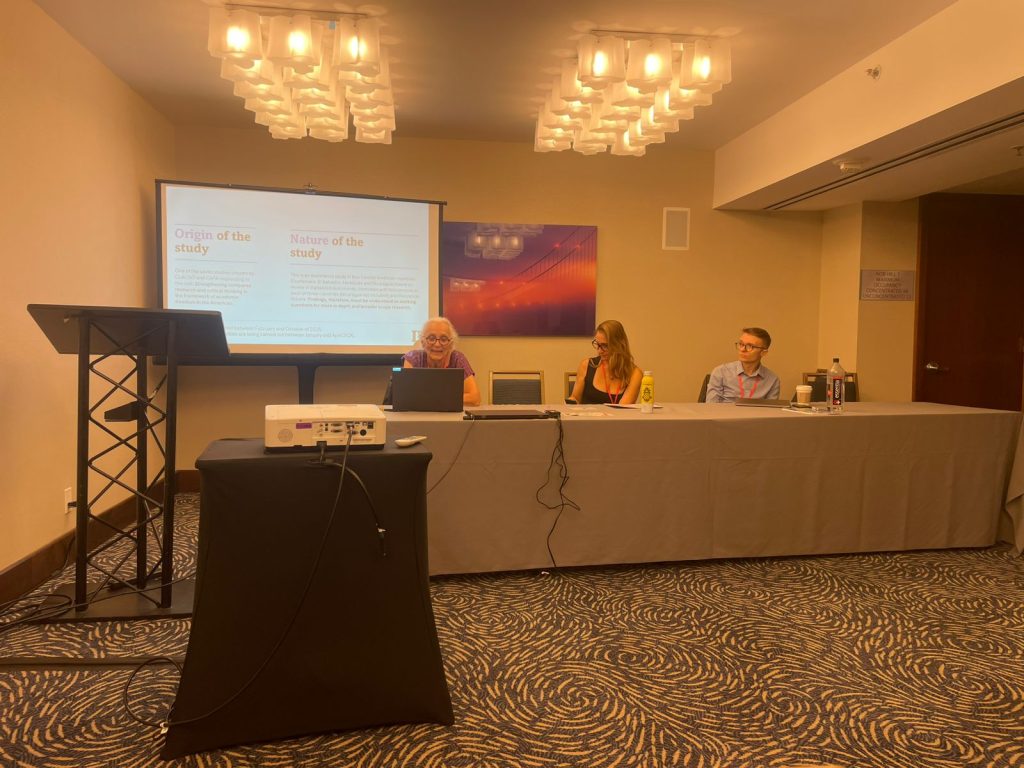
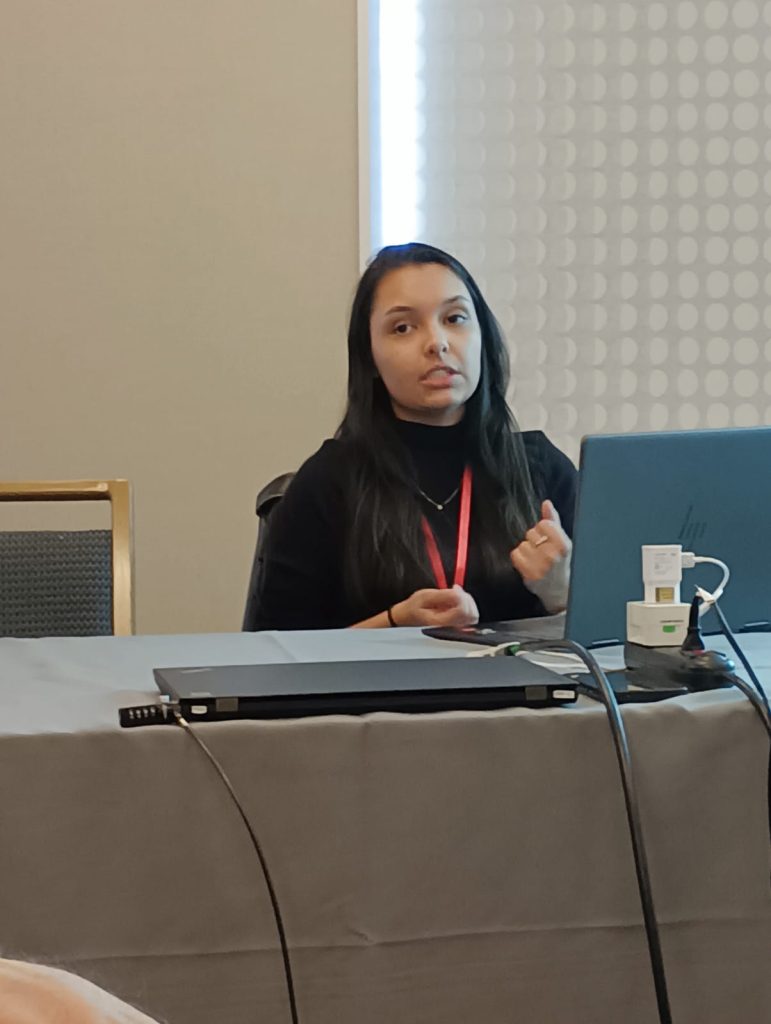
The second session brought together three presentations under a shared focus on contemporary threats to academic freedom. It included Gustavo Setrini (FLACSO Paraguay), with “Marketization, Credentialism, and Political Capture: Barriers to Academic Freedom in Paraguay”; Maria Fernanda Silva Assis (Federal University of Minas Gerais – UFMG), with “Academic Freedom and Climate Denialism in Brazil and Argentina”; and José Henrique Bortolucci (Maranta), with “Scientific Denialism and the Erosion of Academic Freedom in the Americas.” The session was chaired by Carol Anne Spreen (New York University) and moderated by Camilla Croso (CAFA).
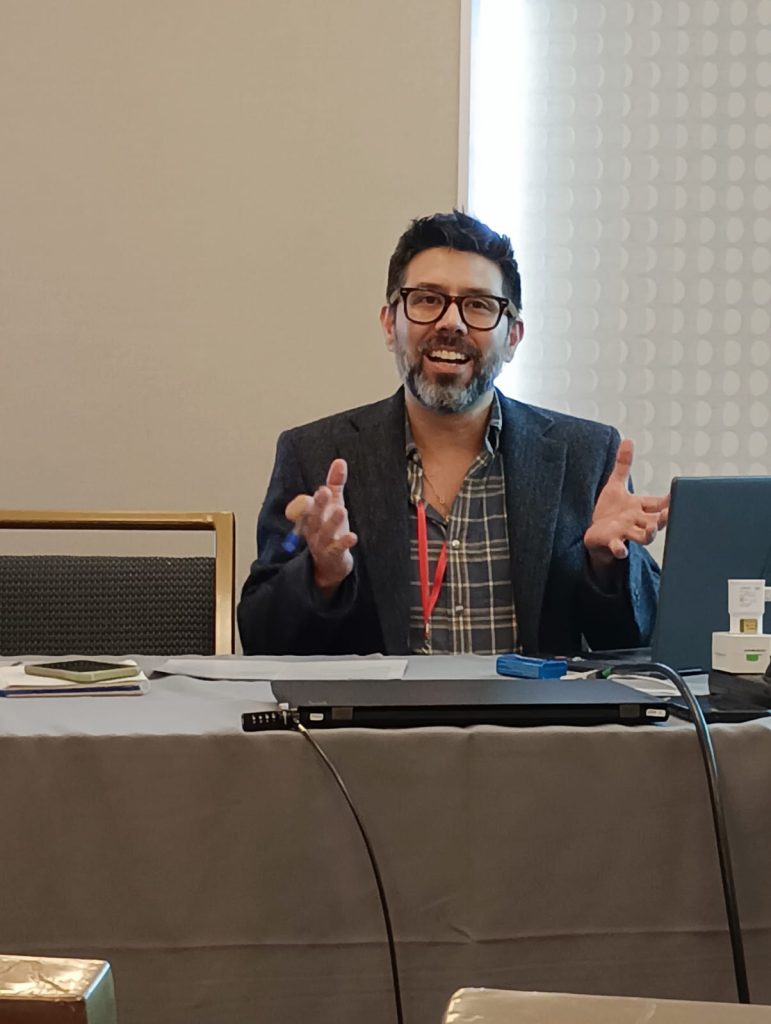
Among the contributions, Gustavo Setrini’s presentation highlighted the structural barriers to academic freedom in Paraguay. His research showed how credentialism, political control, and marketization shape a higher education model that constrains knowledge production and the development of scientific cultures.
In his words: “We presented an interdisciplinary and intergenerational study on the institutionalization of the absence of academic freedom in Paraguay, analyzing how credentialism, political control, and marketization constitute structural barriers to its exercise.”
He also emphasized the importance of the international space:
“Presenting at CIES not only allowed us to share insights about a country that is little known in the region and globally, but also to build networks with researchers from different countries to deepen the research through comparative perspectives.”
He further highlighted the value of the research process itself:
“The research made it possible to bring together an interdisciplinary and intergenerational group that, in itself, responded to the lack of academic freedom in Paraguay by creating opportunities for intellectual exchange that are very scarce in the country.”
Maria Fernanda Silva Assis presented findings from a comparative study on the impacts of climate denialism on academic freedom in Brazil and Argentina. The research identified similarities between both countries, particularly in the instrumentalization of scientific denialism to justify regressive environmental policies and in the use of authoritarian strategies that constrain research on climate and environmental issues.
She also pointed to key differences: while in Brazil these dynamics have fueled attacks by social actors against academics, in Argentina climate denialism has functioned as an ideological foundation for an ultraliberal political project. In both cases, negative impacts on scientific development and the full exercise of academic freedom were observed.
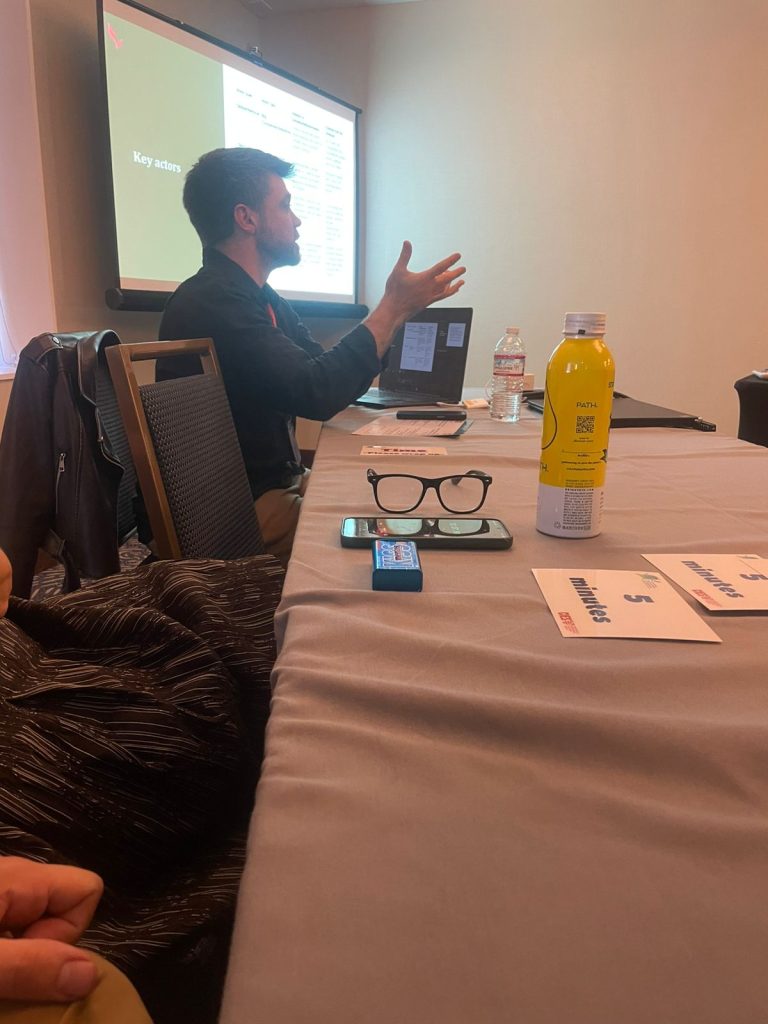
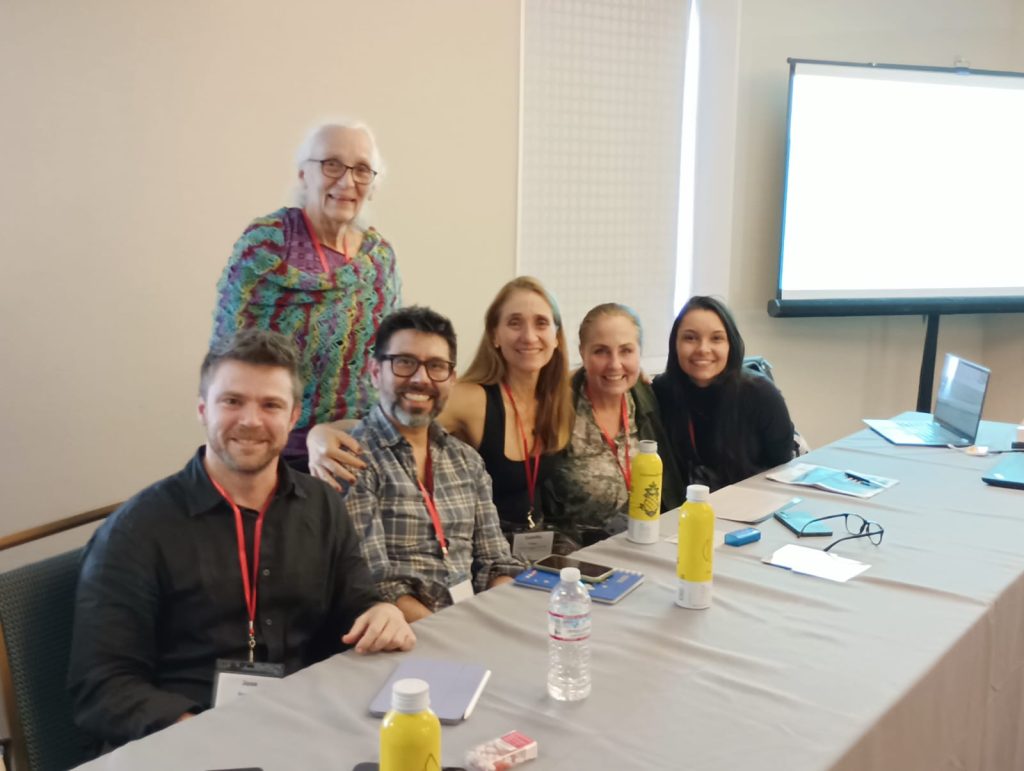
CAFA’s participation in this space reaffirms its commitment to defending academic freedom as a fundamental pillar of democratic societies. By fostering dialogue and strengthening regional and international networks, the coalition continues to advance critical understanding and collective strategies to address the challenges faced by academic communities across the Americas.
The conference took place in San Francisco, between late March and early April 2026, bringing together thousands of researchers, policymakers, and practitioners from around the world.