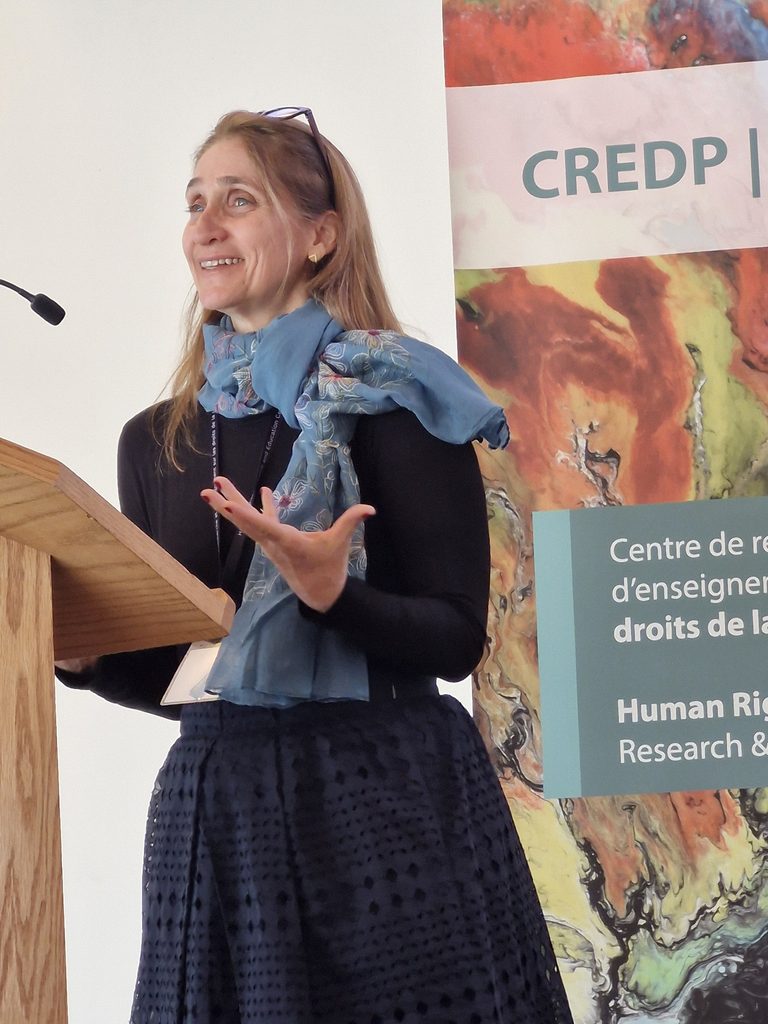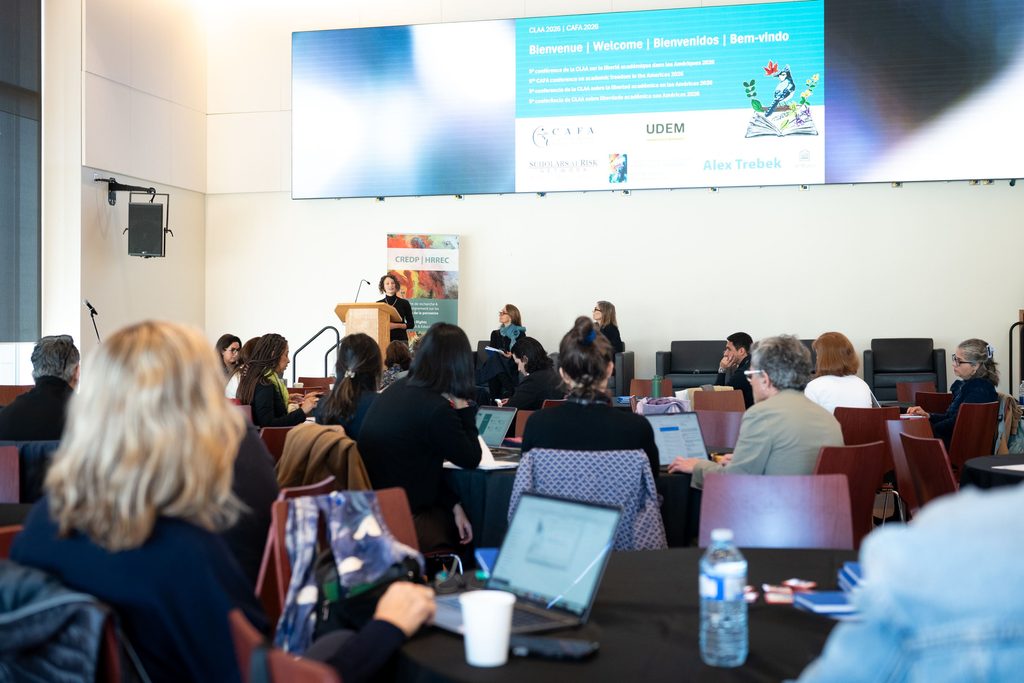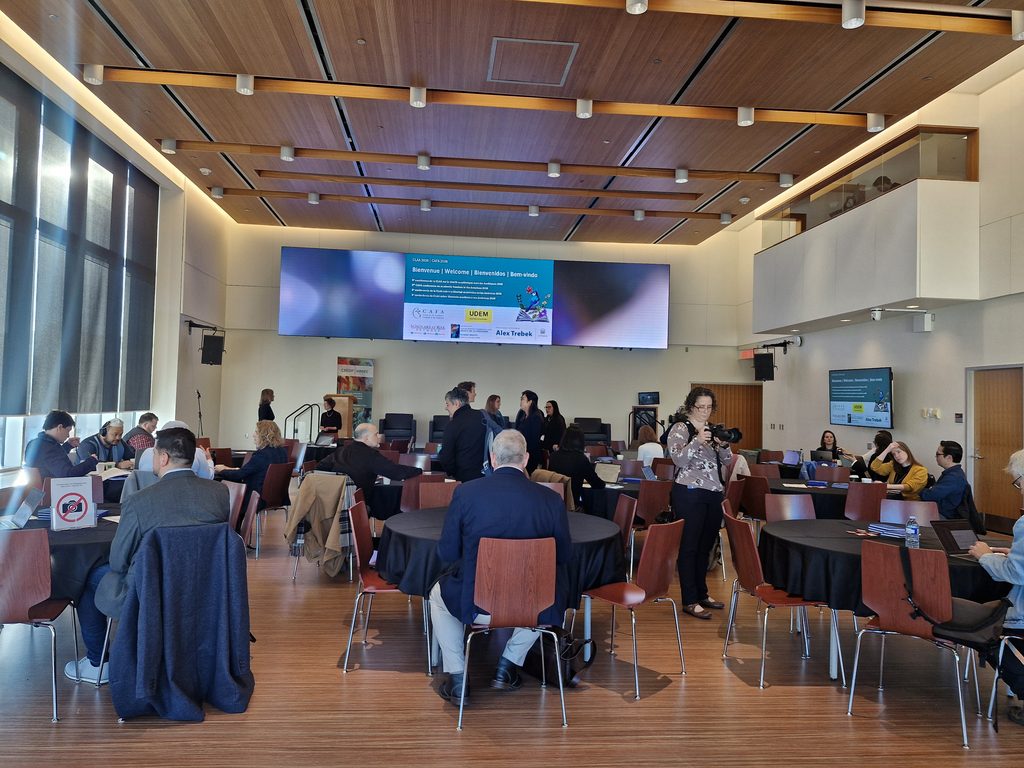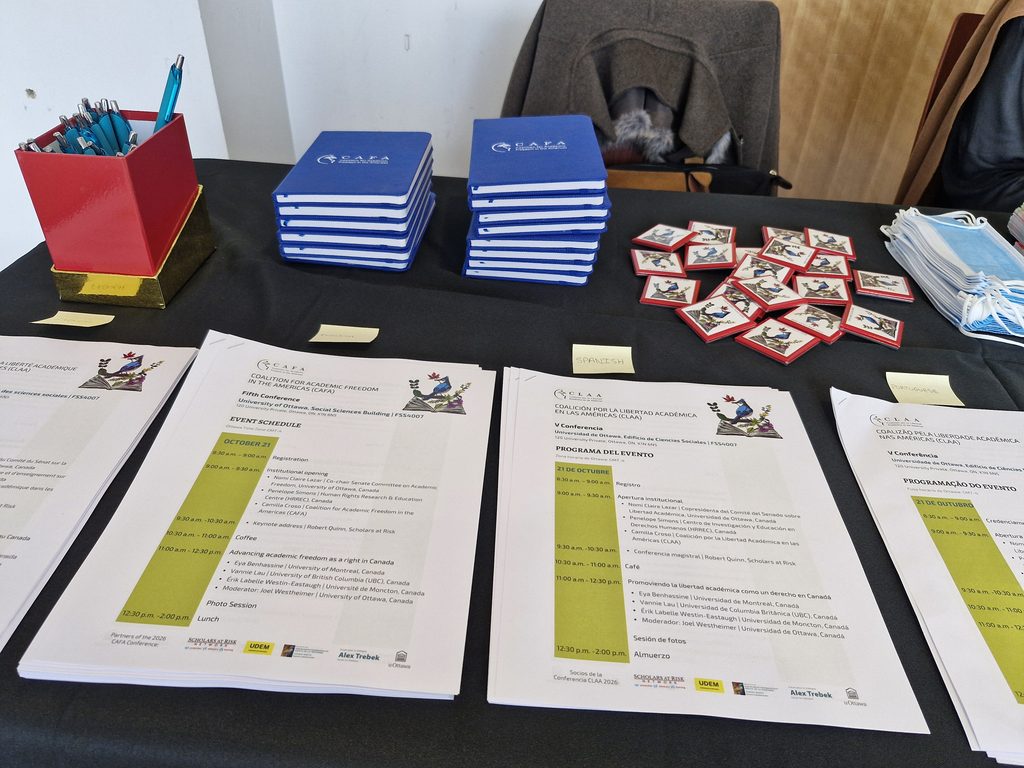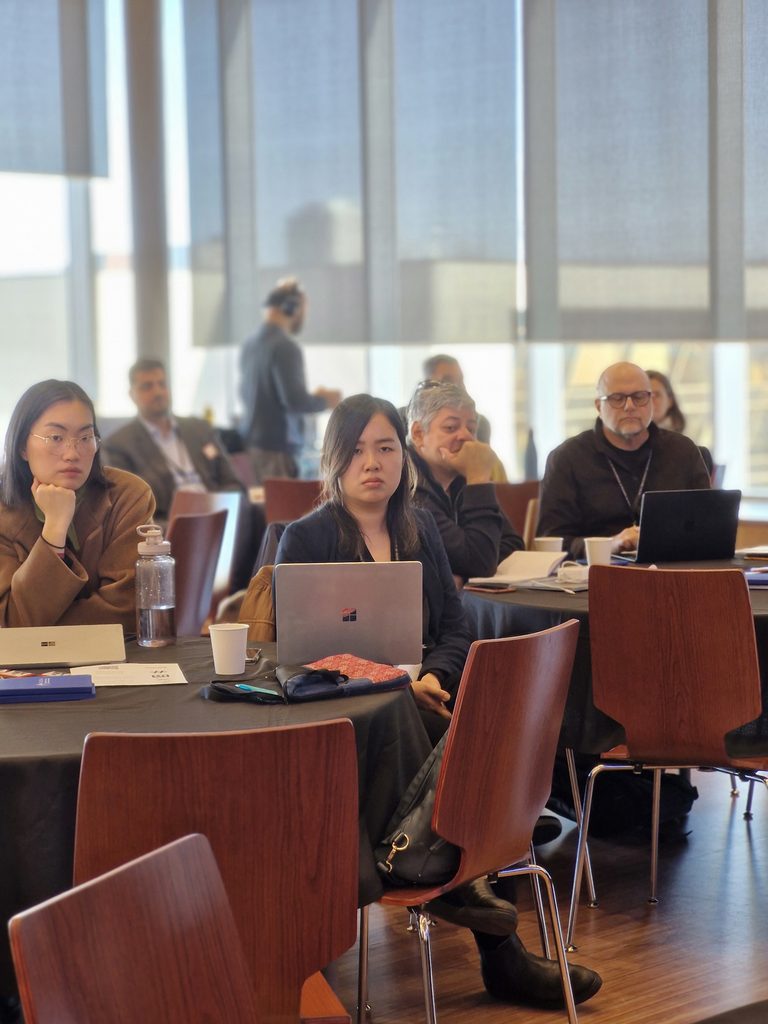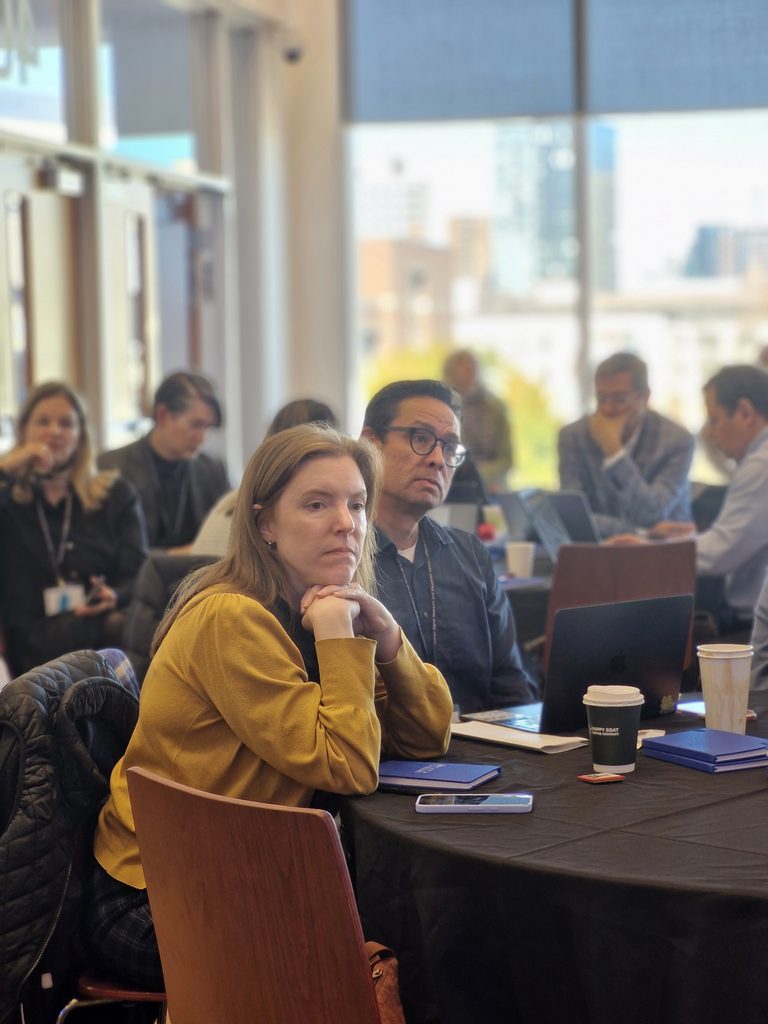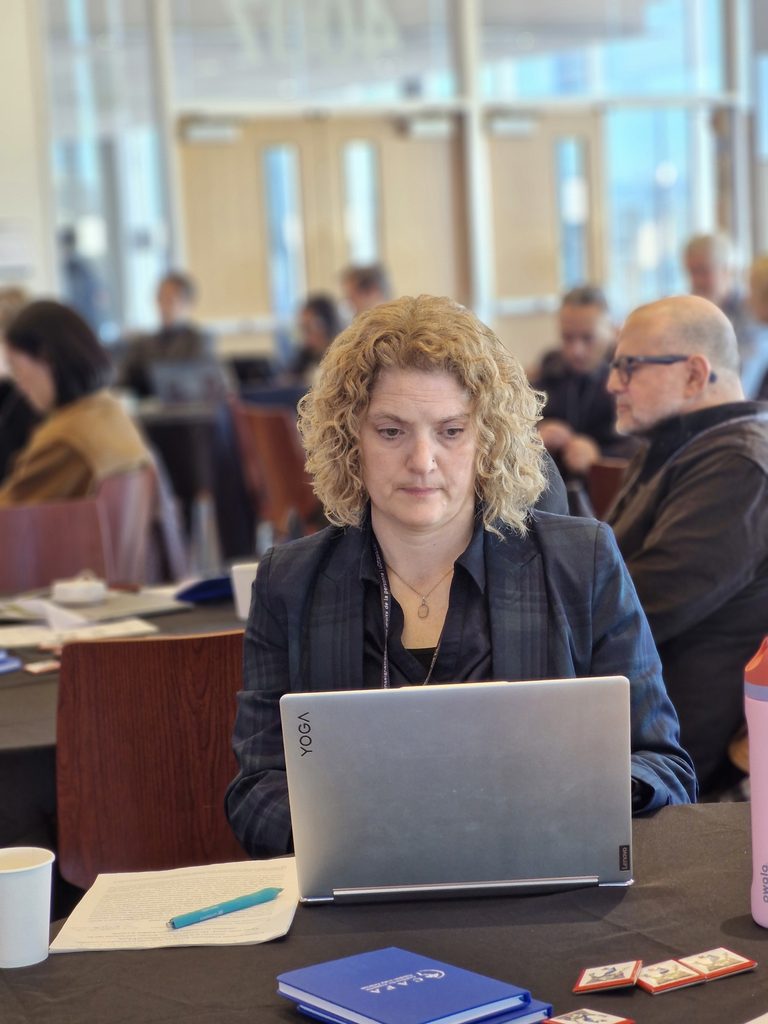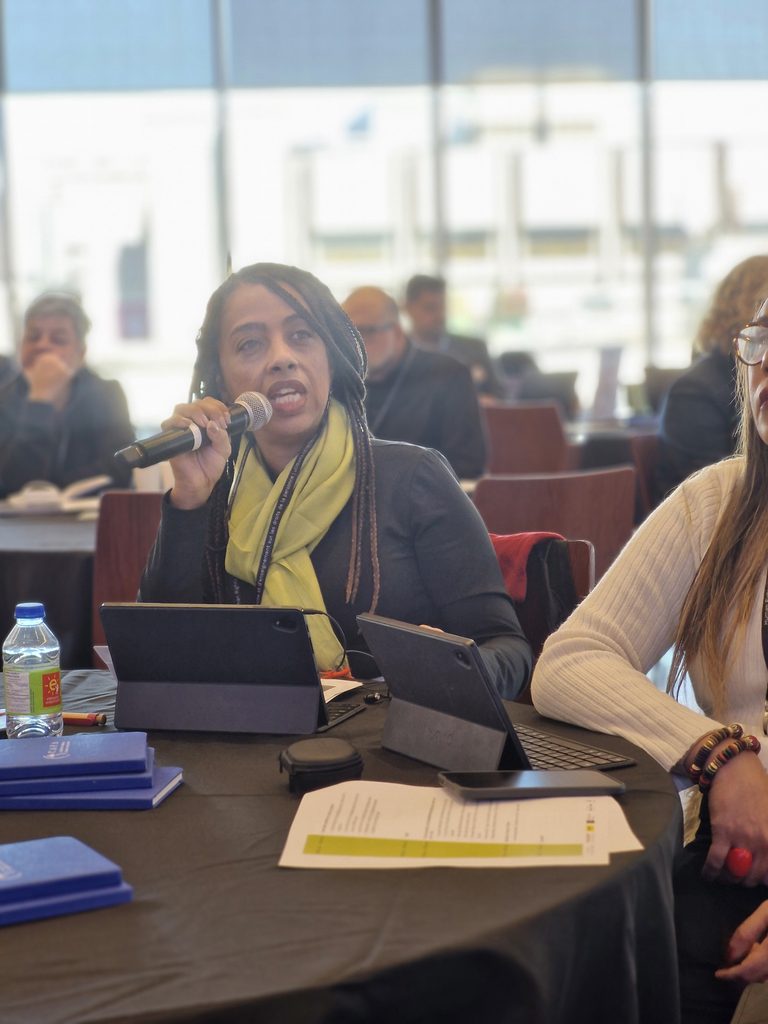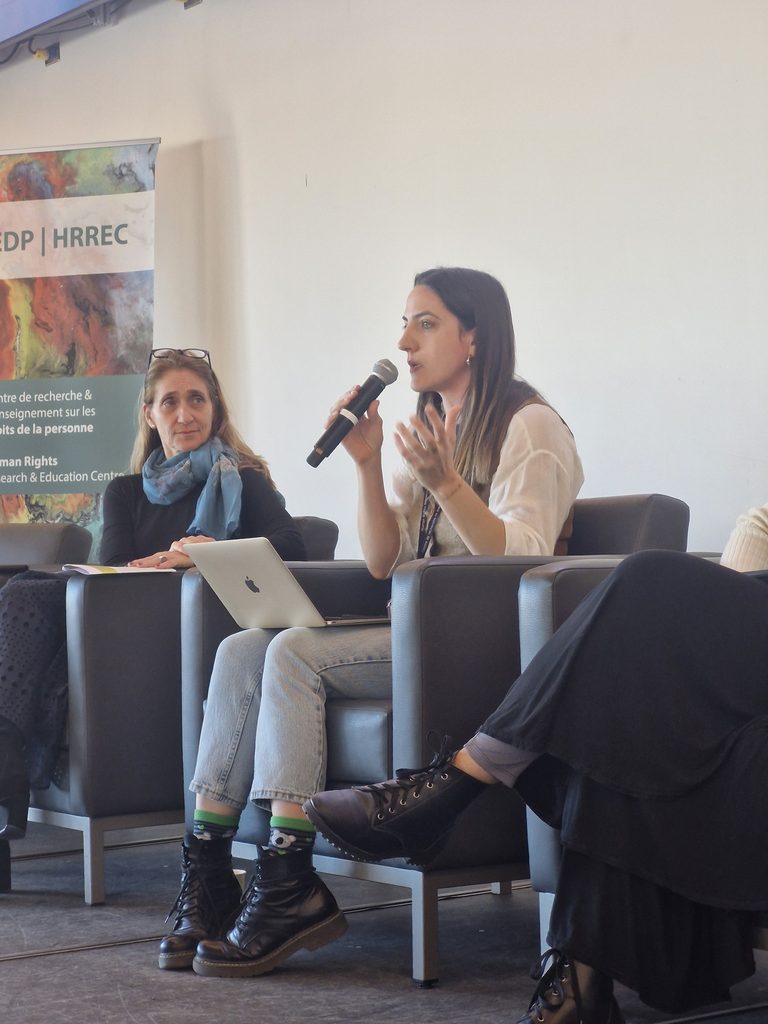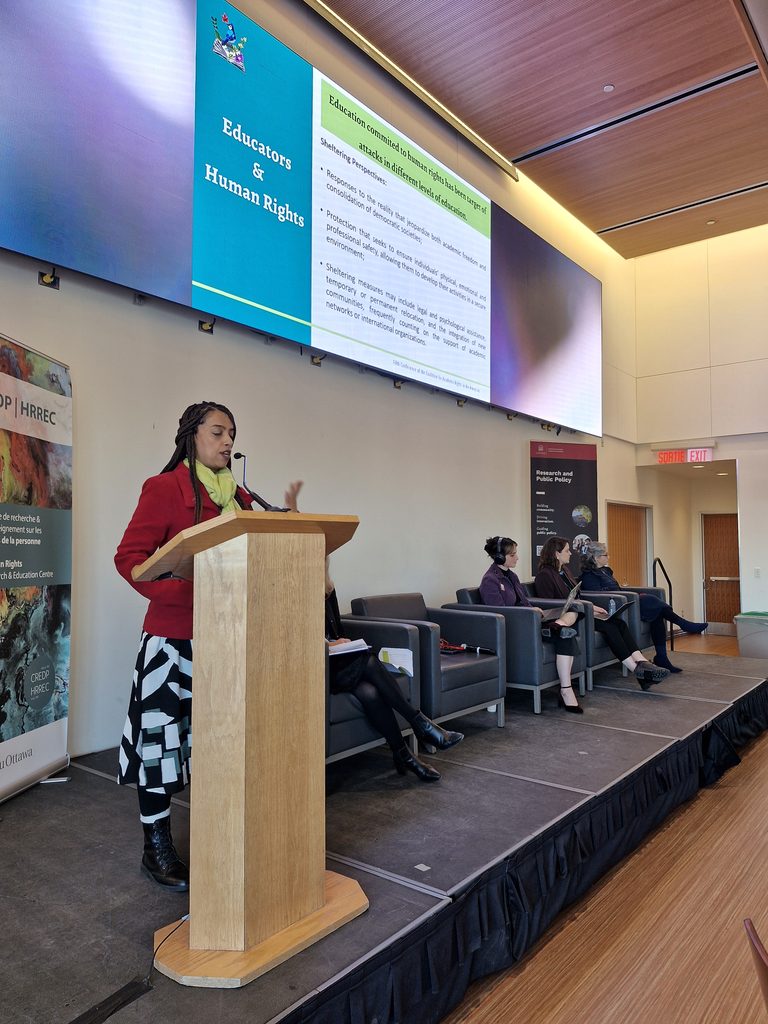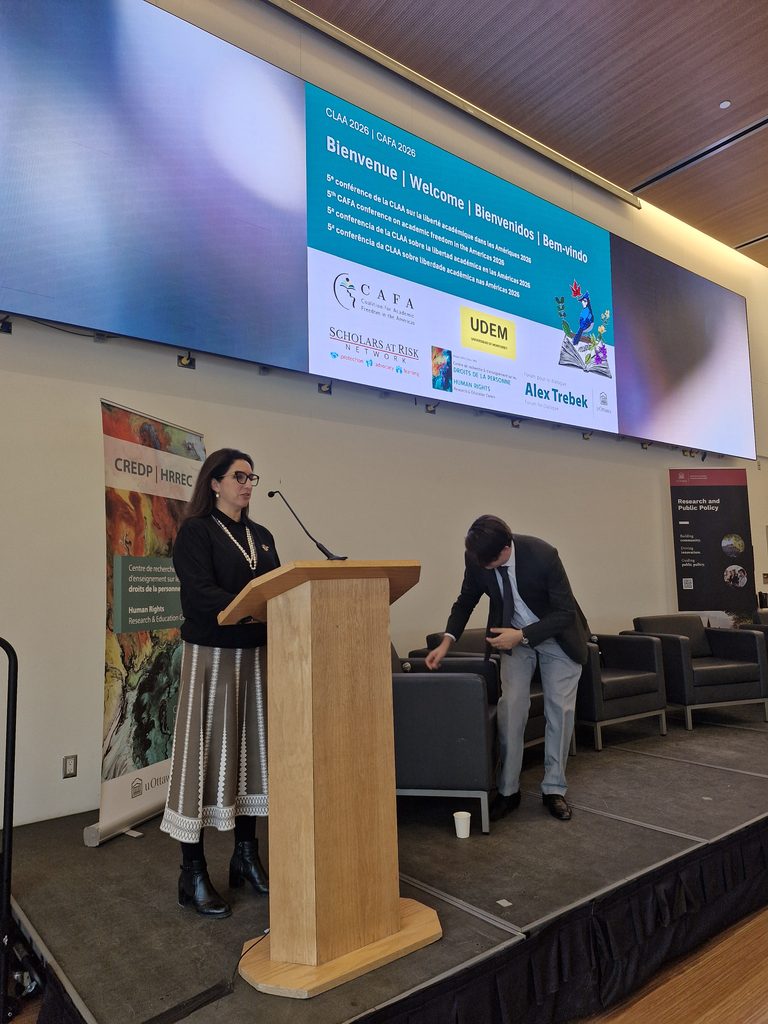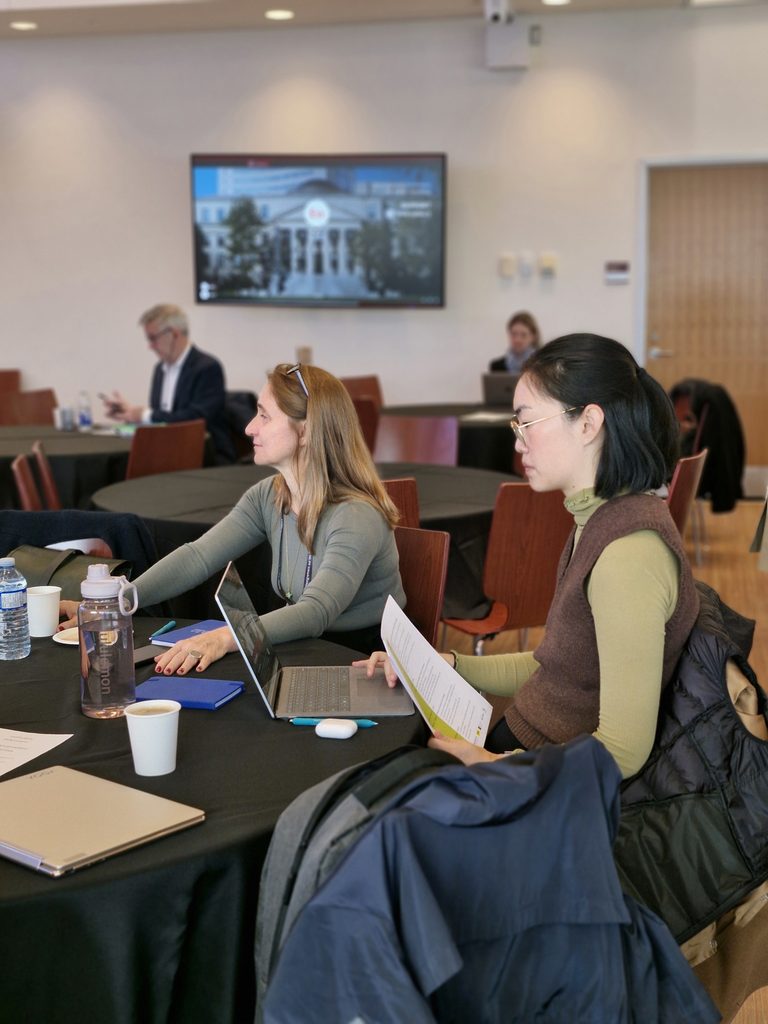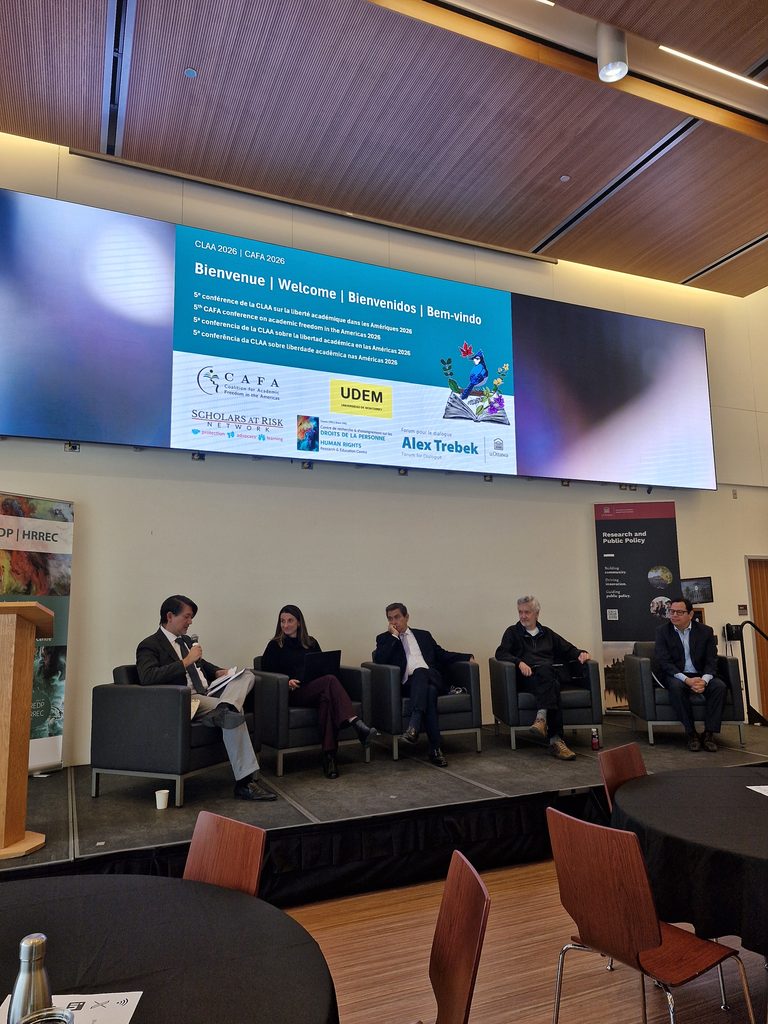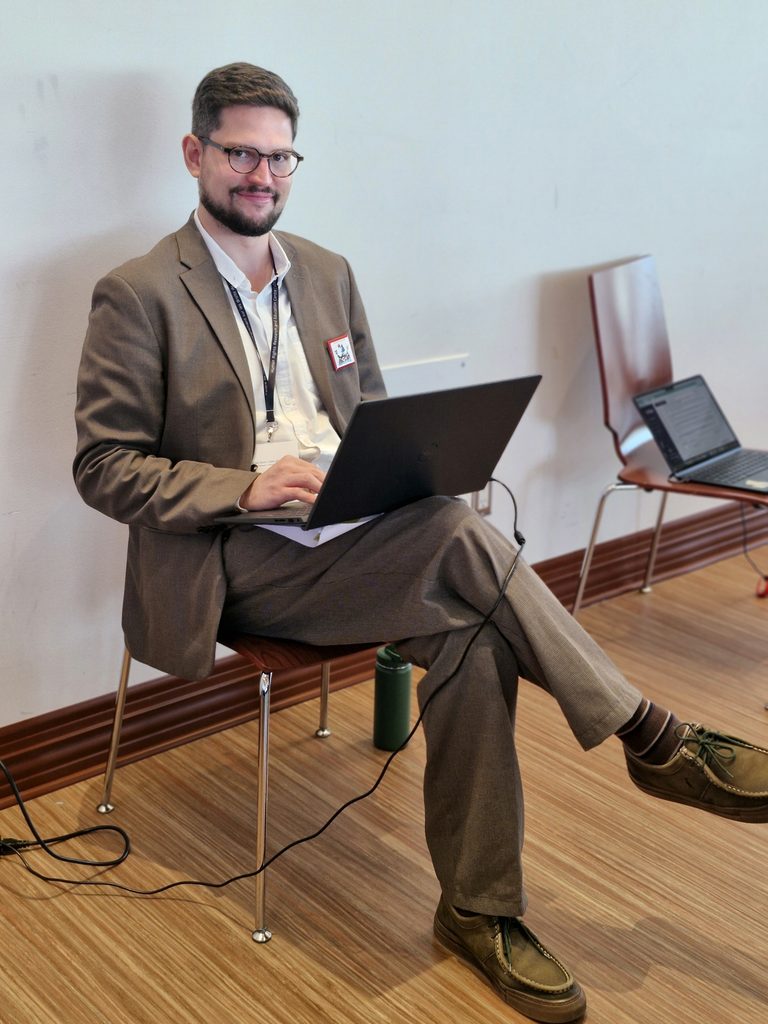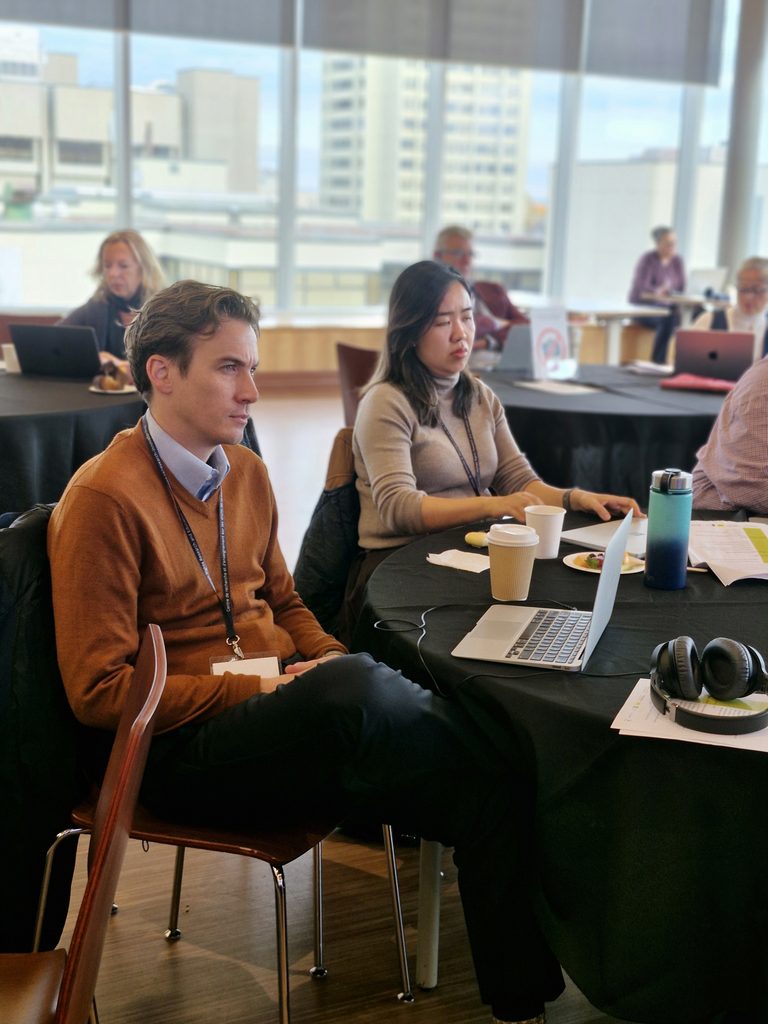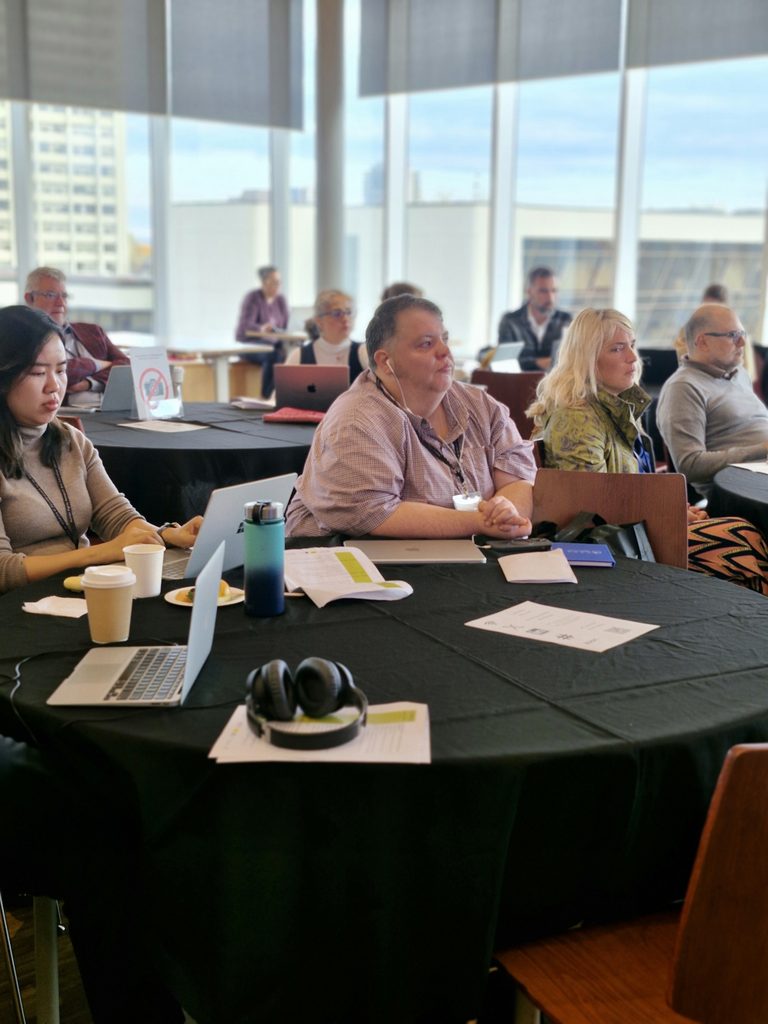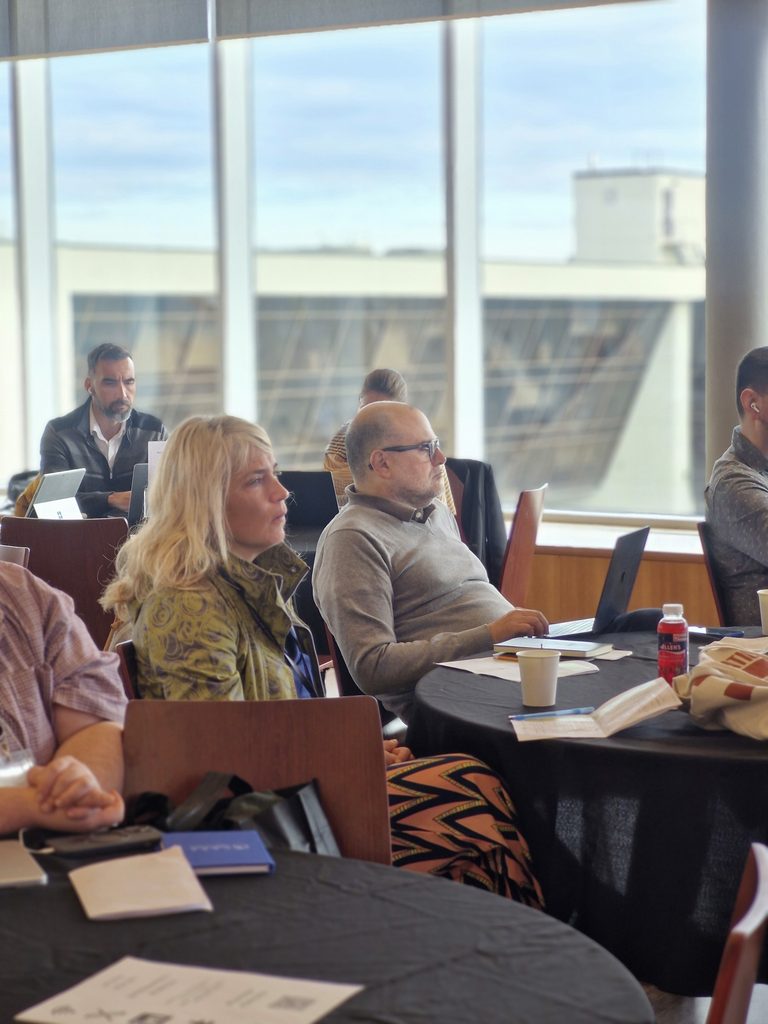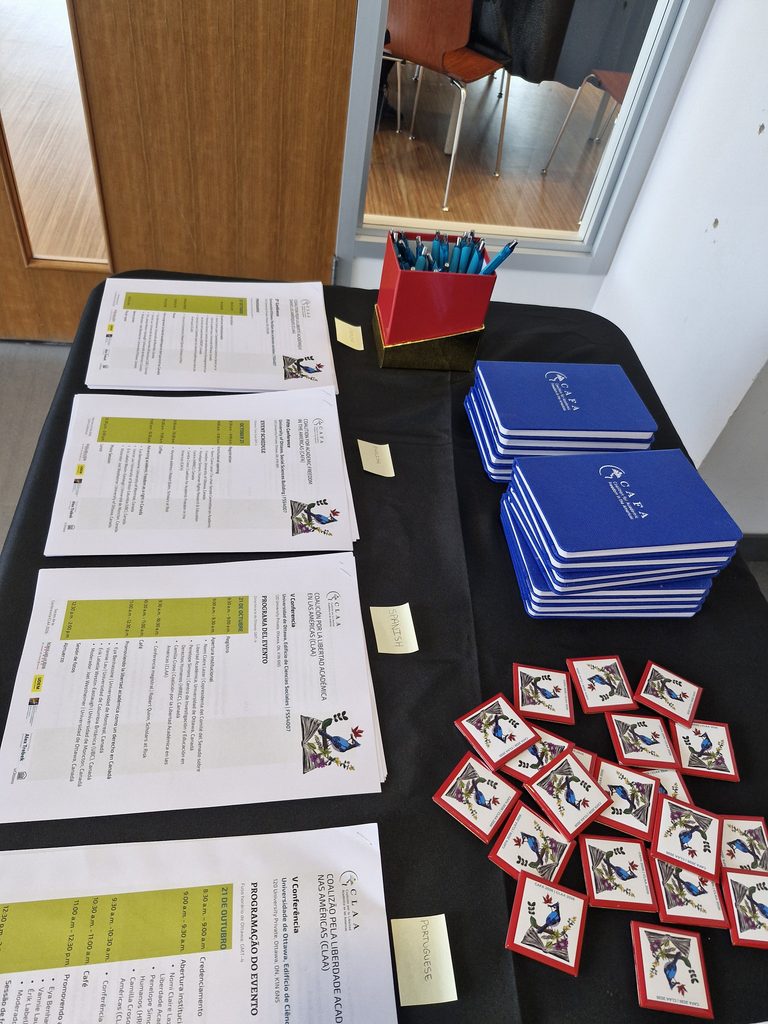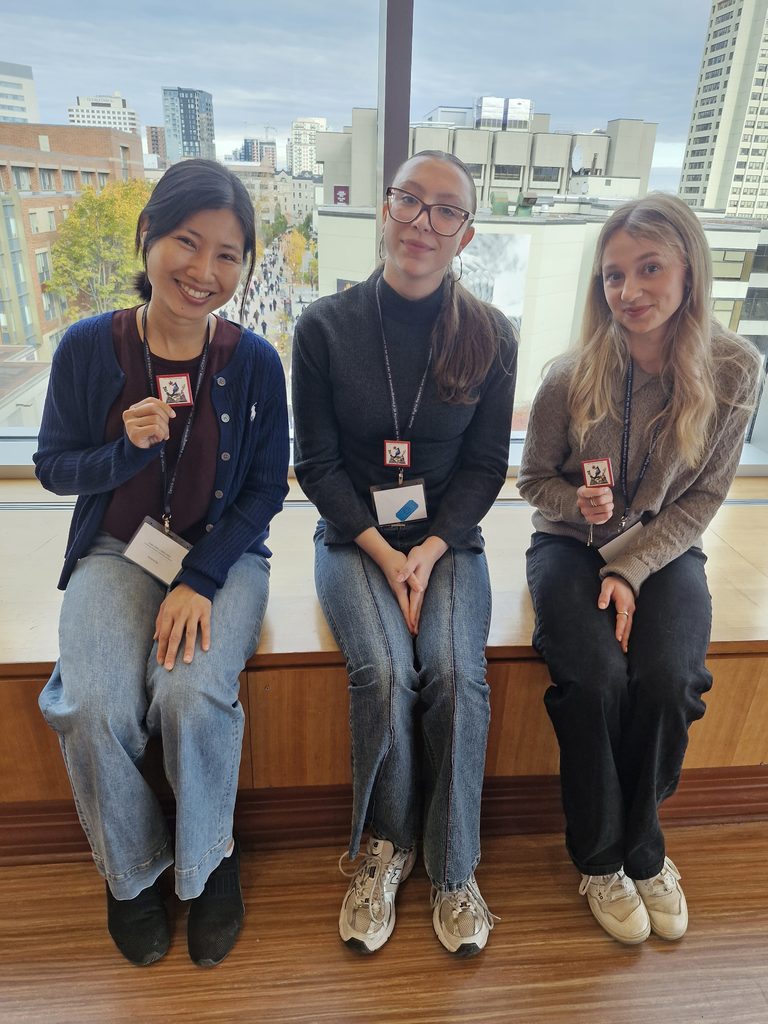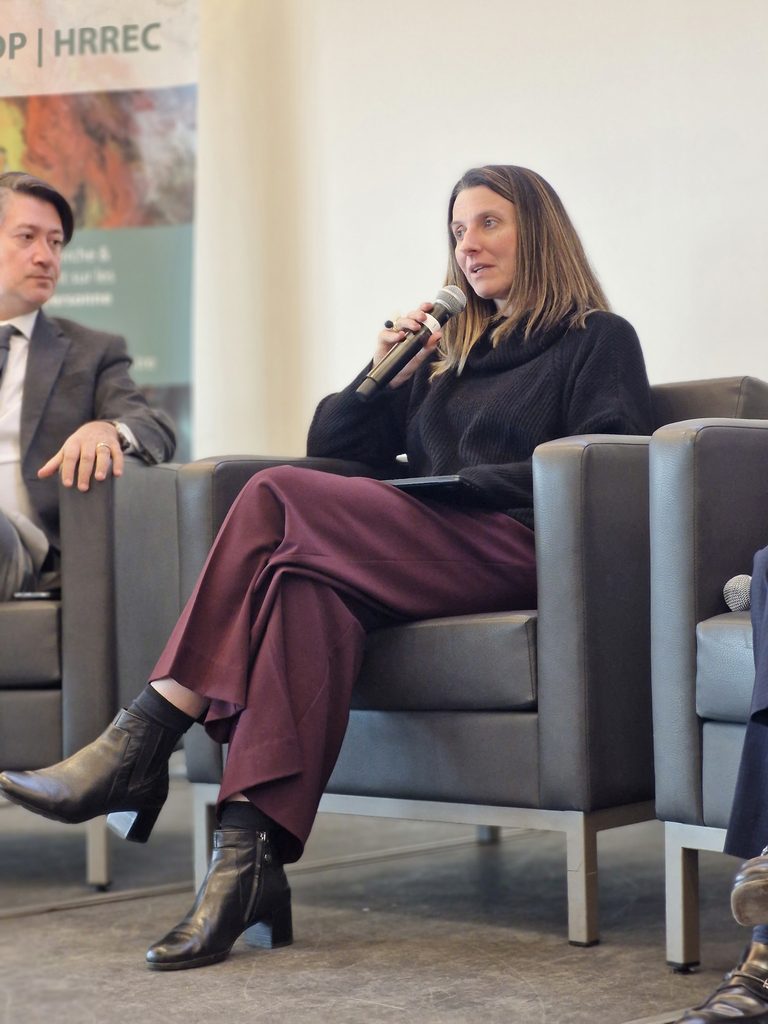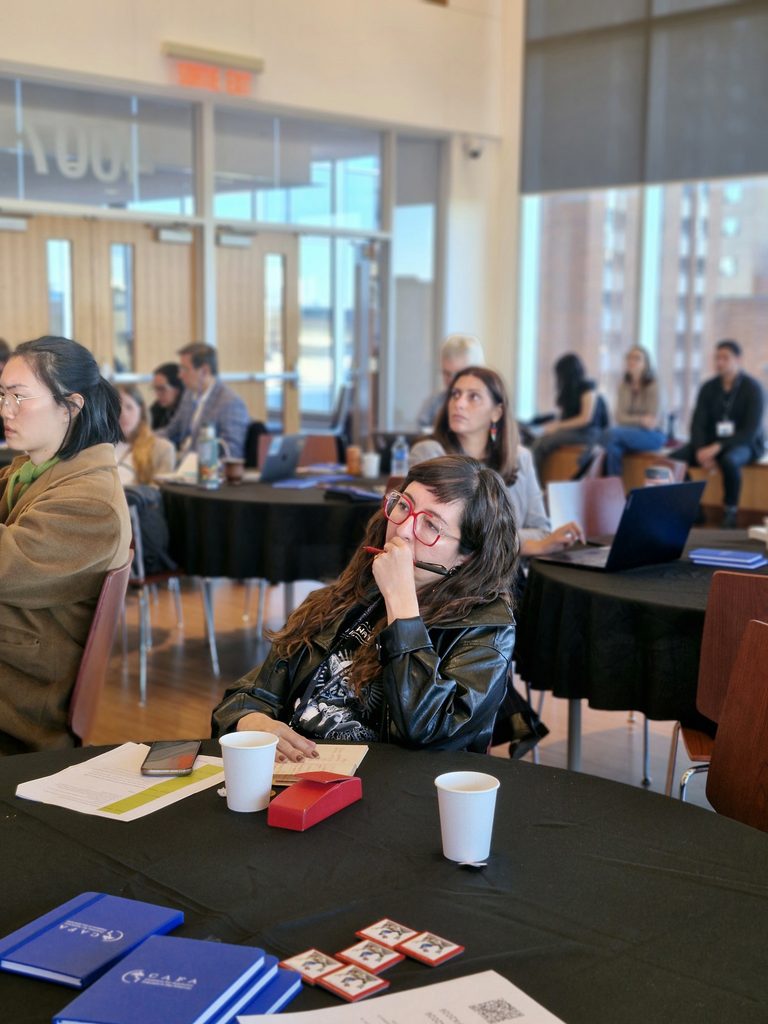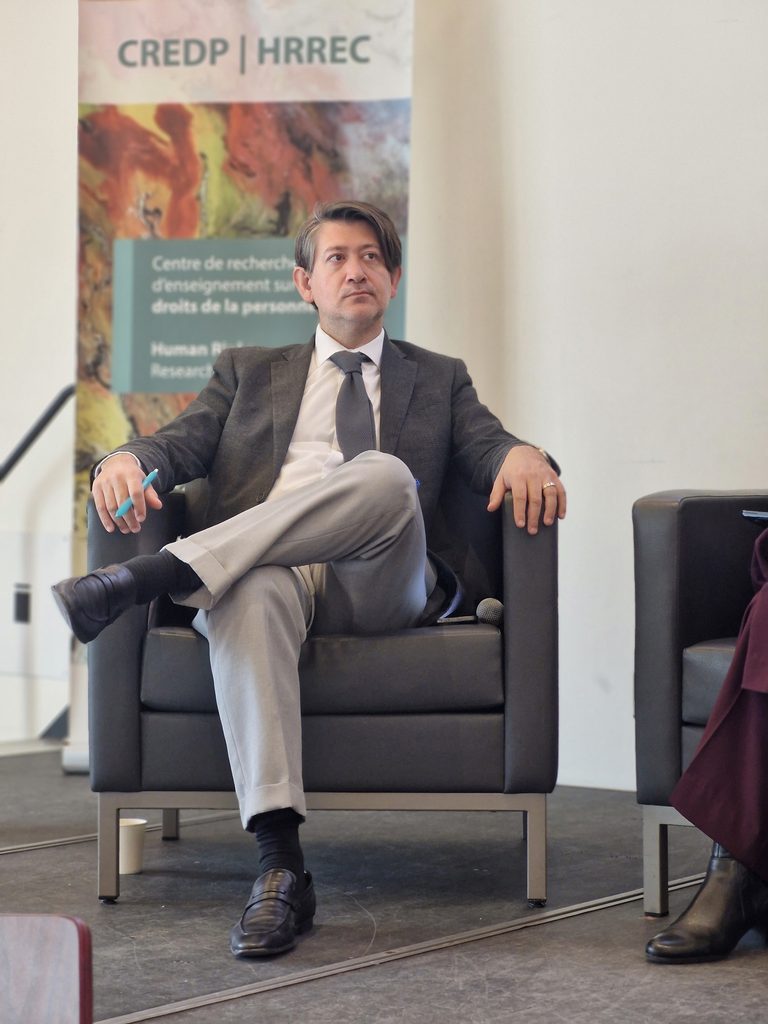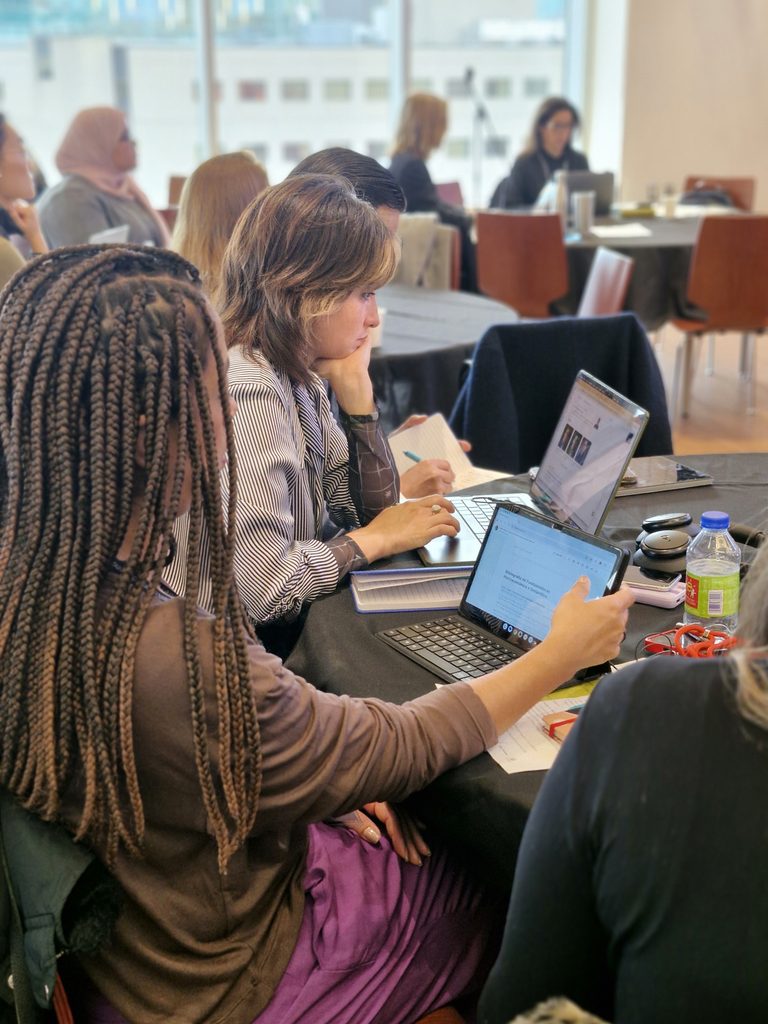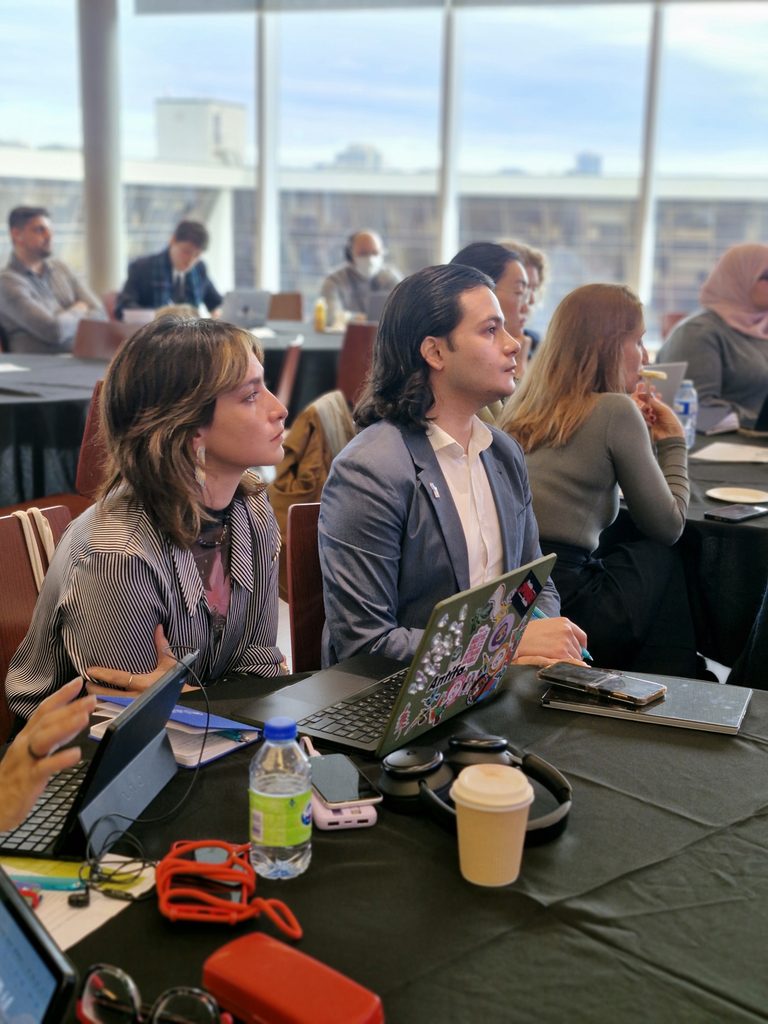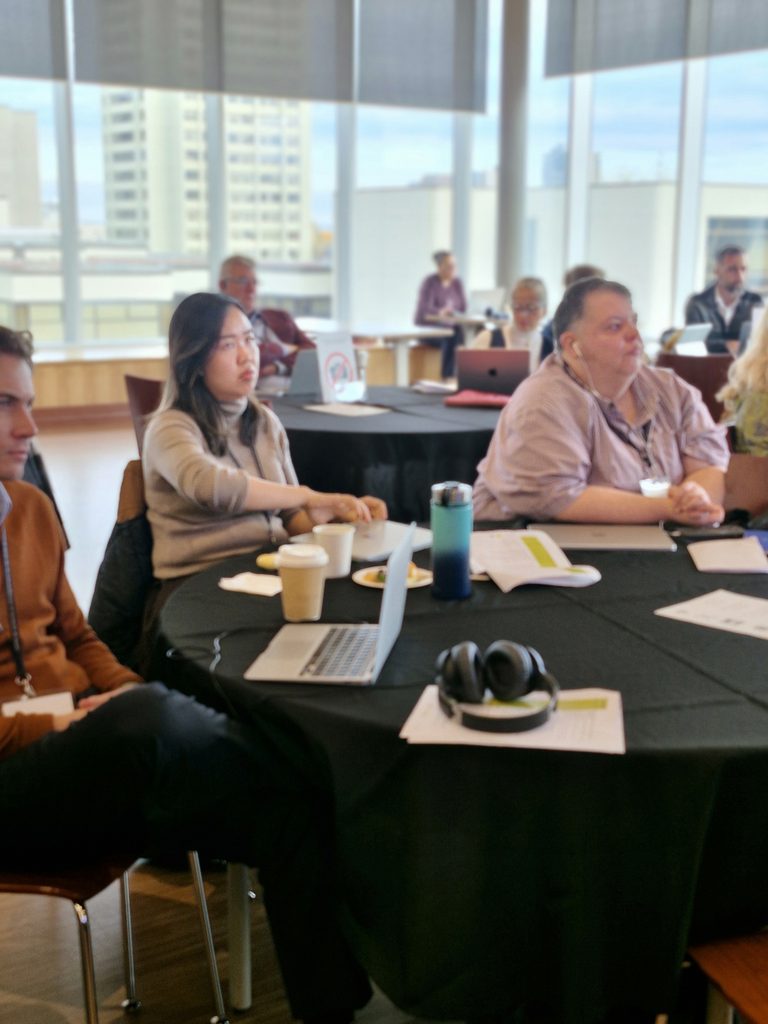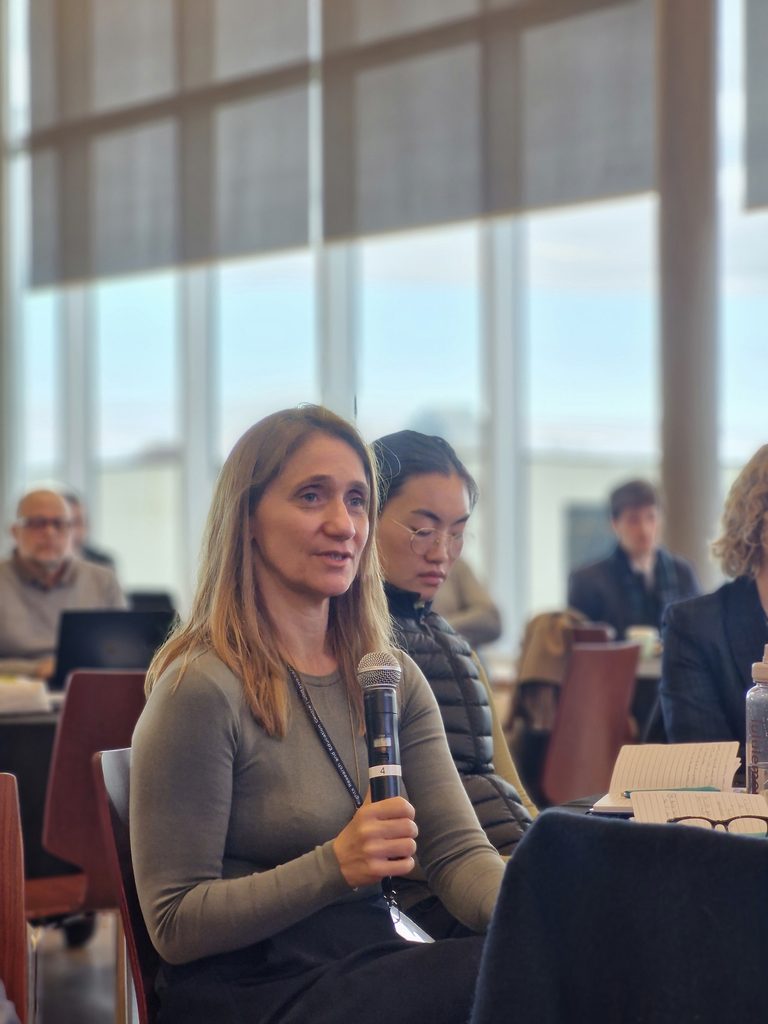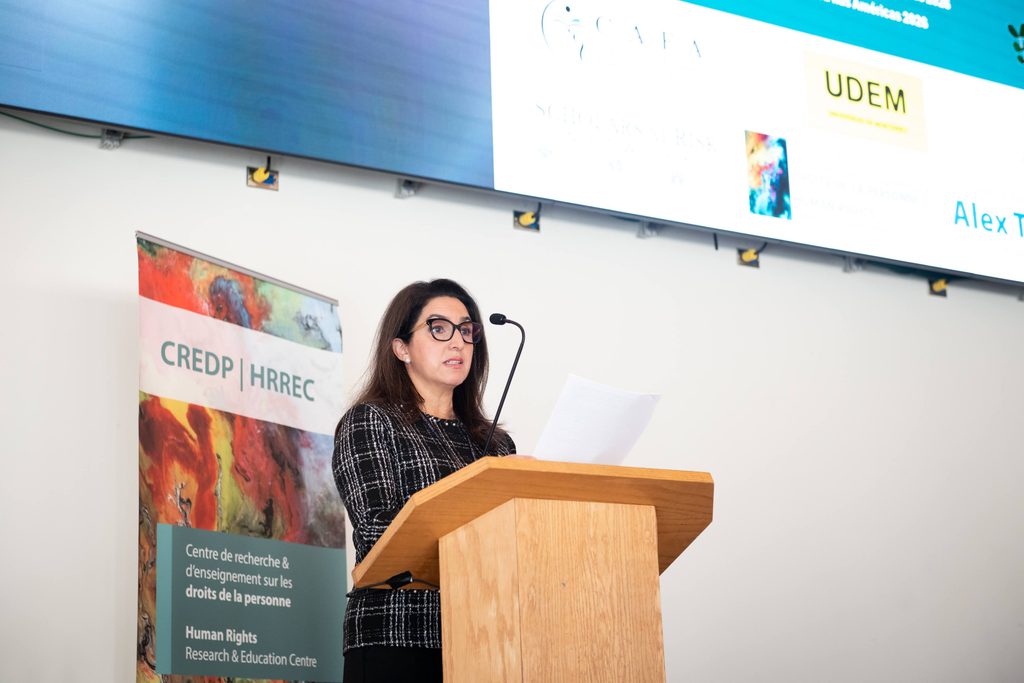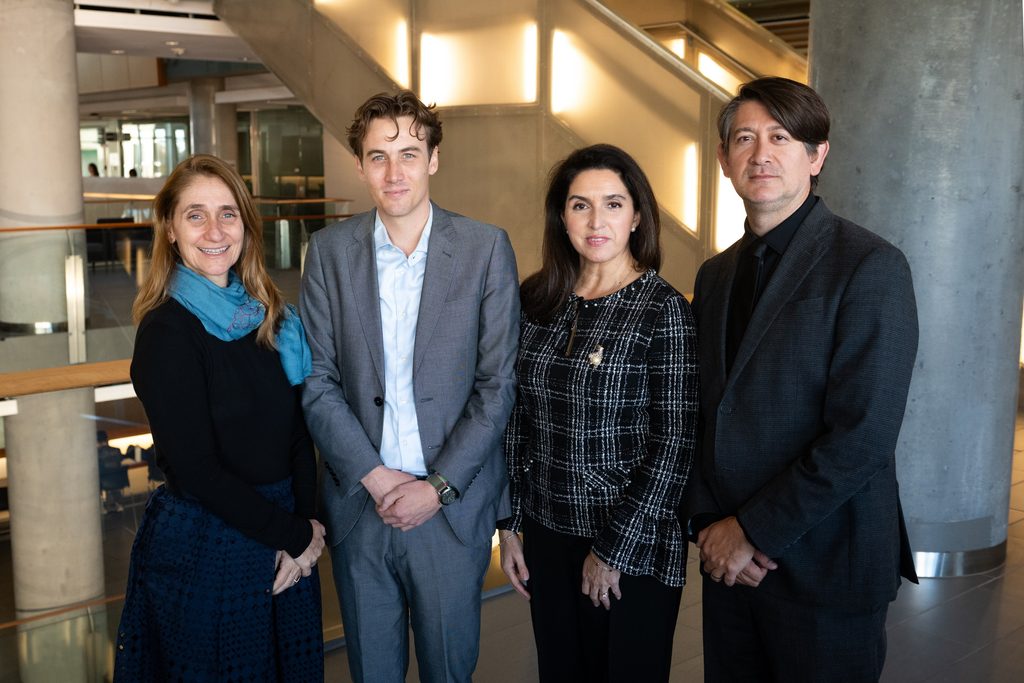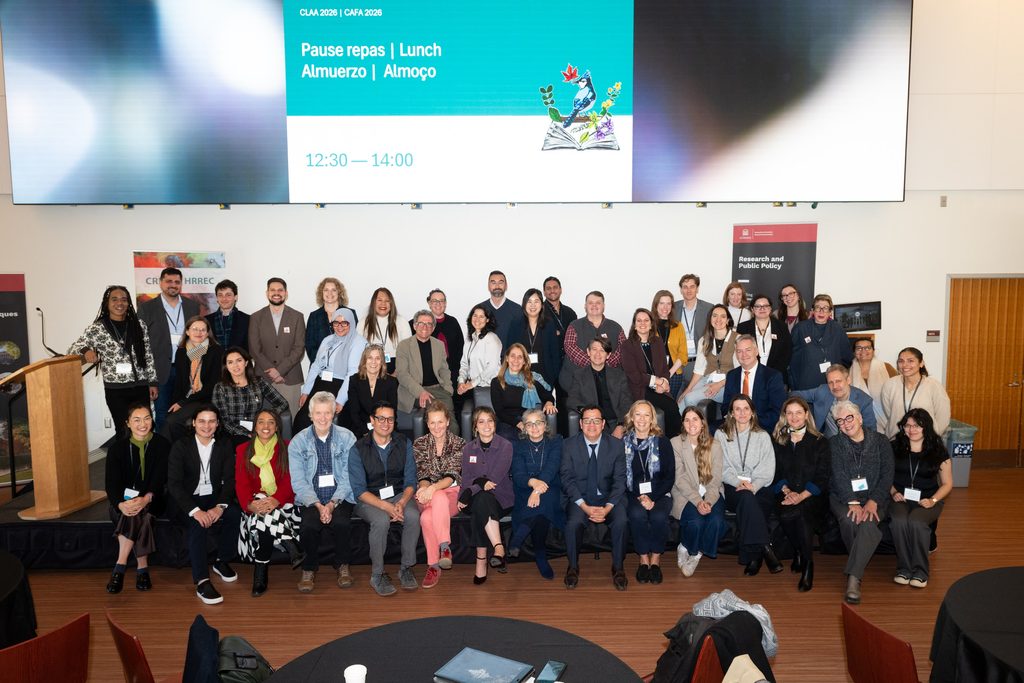
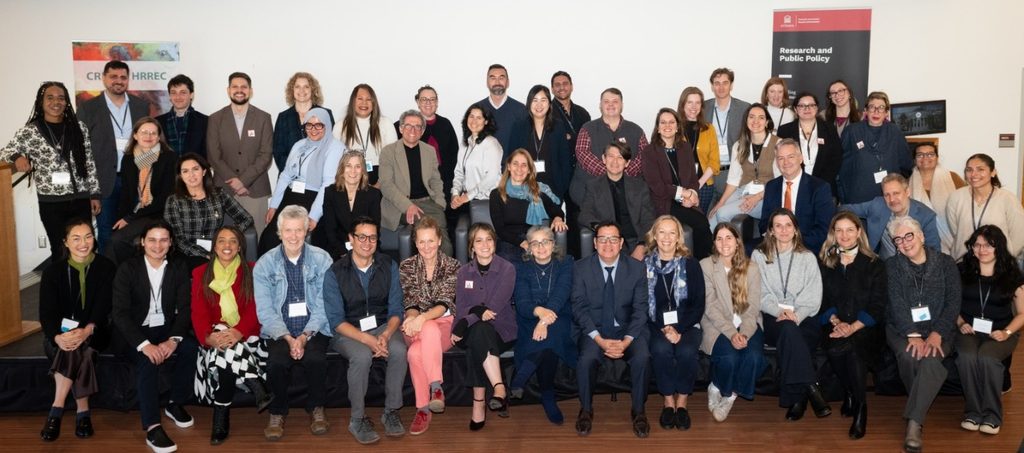
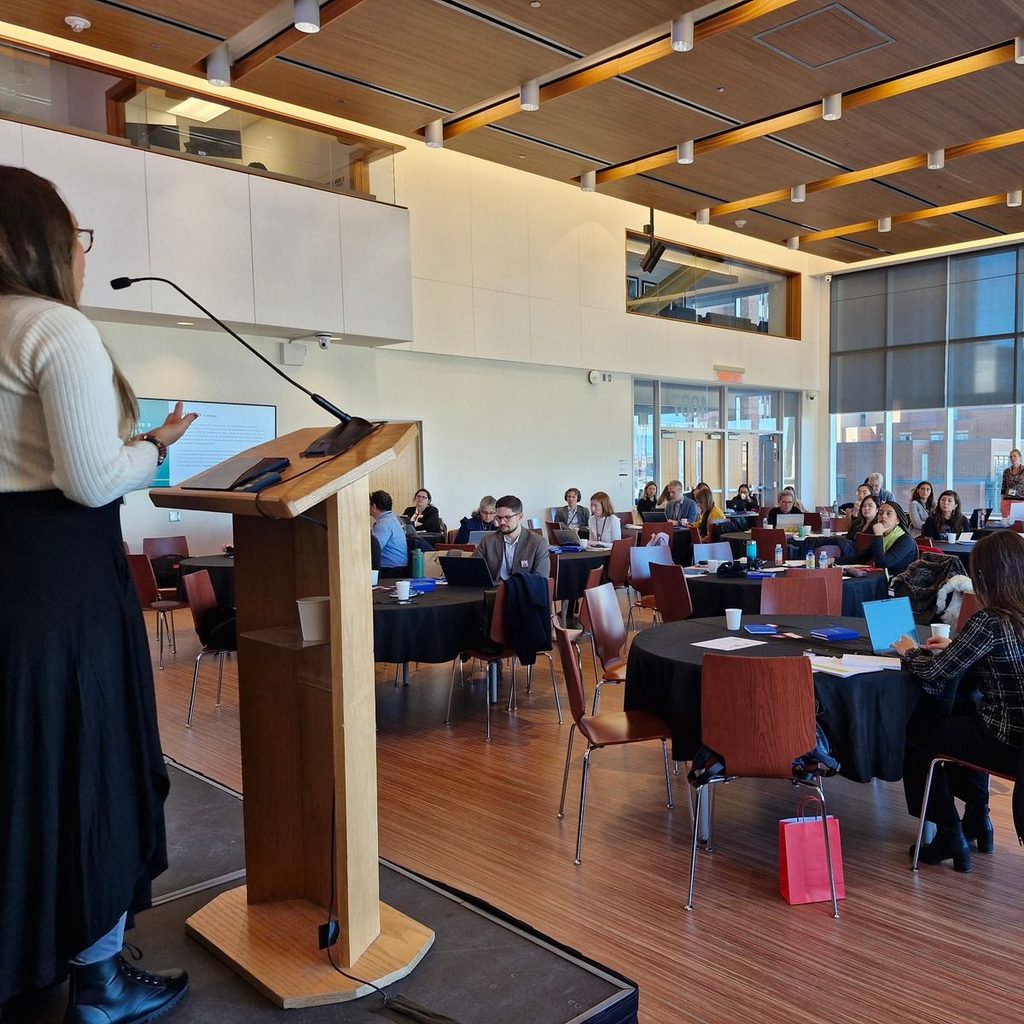
The 5th Conference of the Coalition for Academic Freedom in the Americas (CAFA), held on October 21 and 22 at the University of Ottawa, brought together experts, students, faculty members, and organizations from across the continent to discuss how to make the right to academic freedom effective. Over the two days, discussions connected legal frameworks and current threats with the experiences of university communities, as well as collective strategies to defend this human right.
Universities at the intersection of power and ideas
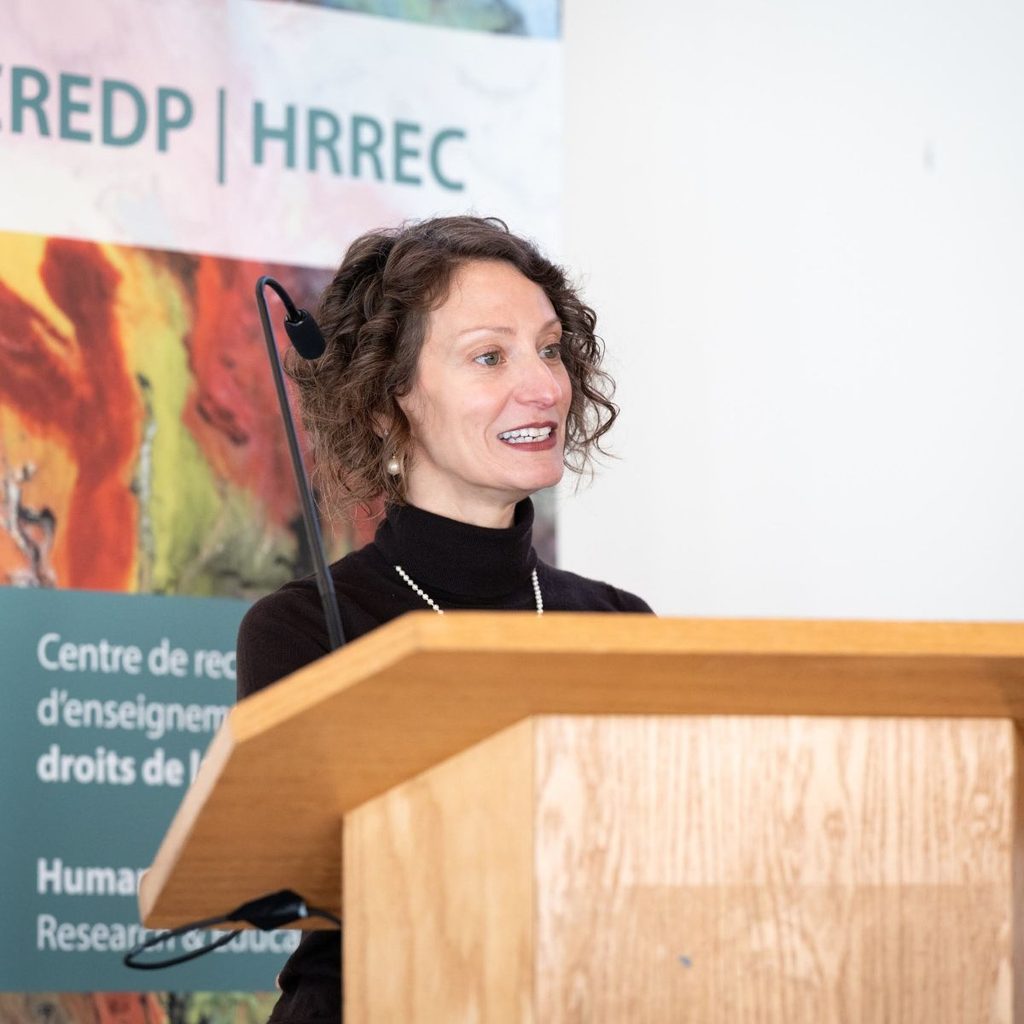
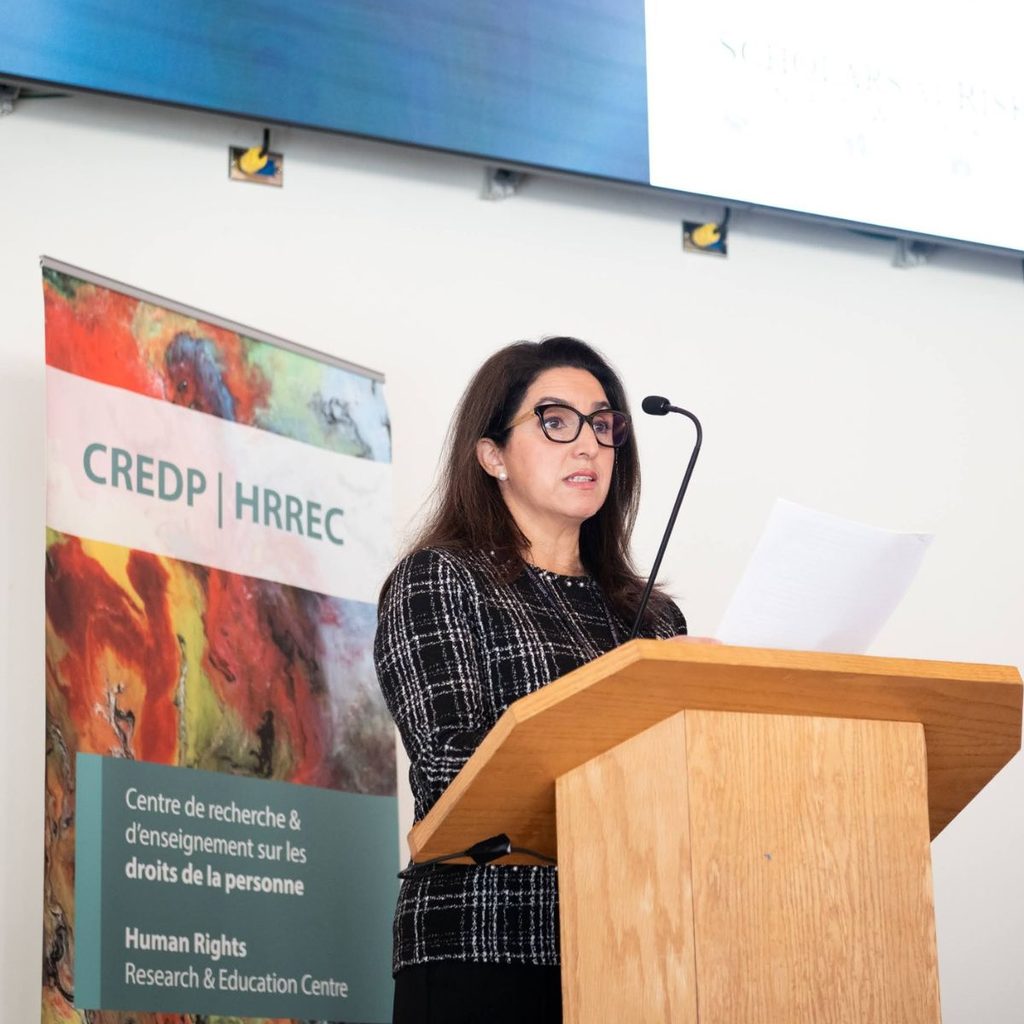
Viviana Fernandez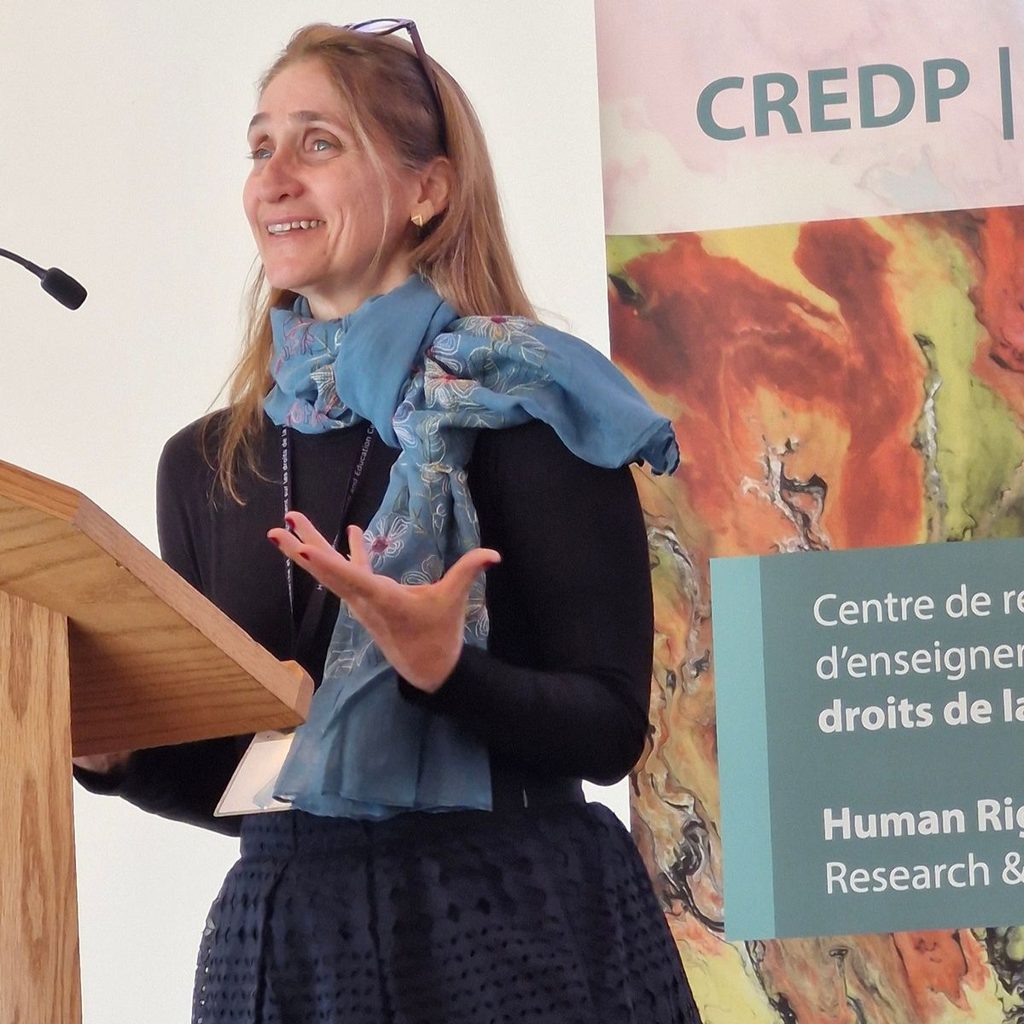
The opening of the 5th CAFA Conference placed universities at the center of a discussion that extends beyond their own communities: the relationship between knowledge, power, and democracy. Nomi Claire Lazar, professor at the Faculty of Social Sciences at the University of Ottawa and co-chair of the Senate Committee on Academic Freedom, highlighted the role of universities in teaching, research, public debate, and the production of evidence-based knowledge.
Lazar warned that attacks on academic freedom affect not only those who conduct research and teach, but also society’s ability to foster democratic citizenship and trust in the knowledge produced by universities. Defending this right therefore requires protection strategies, public communication, and coordination among institutions and countries. “To protect academic freedom, we need to work together beyond walls, borders, and all kinds of boundaries.”
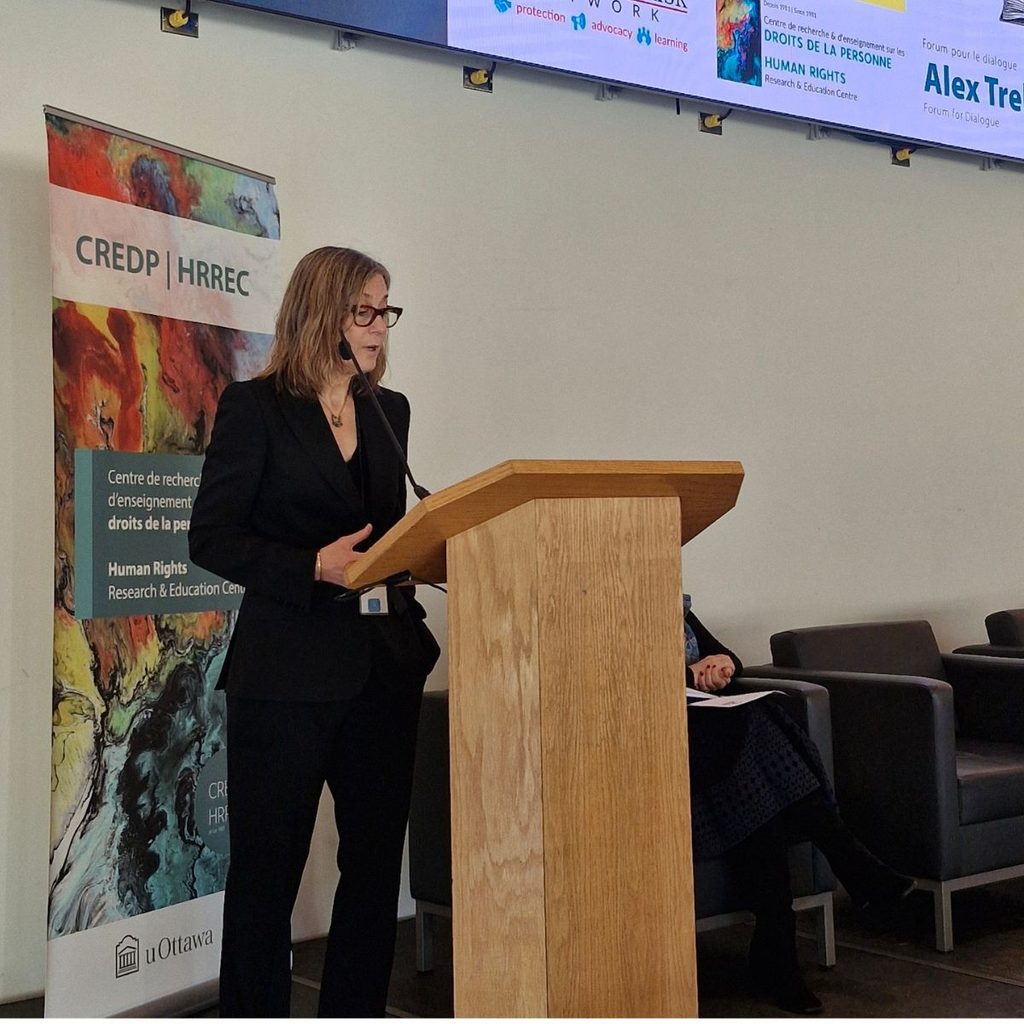
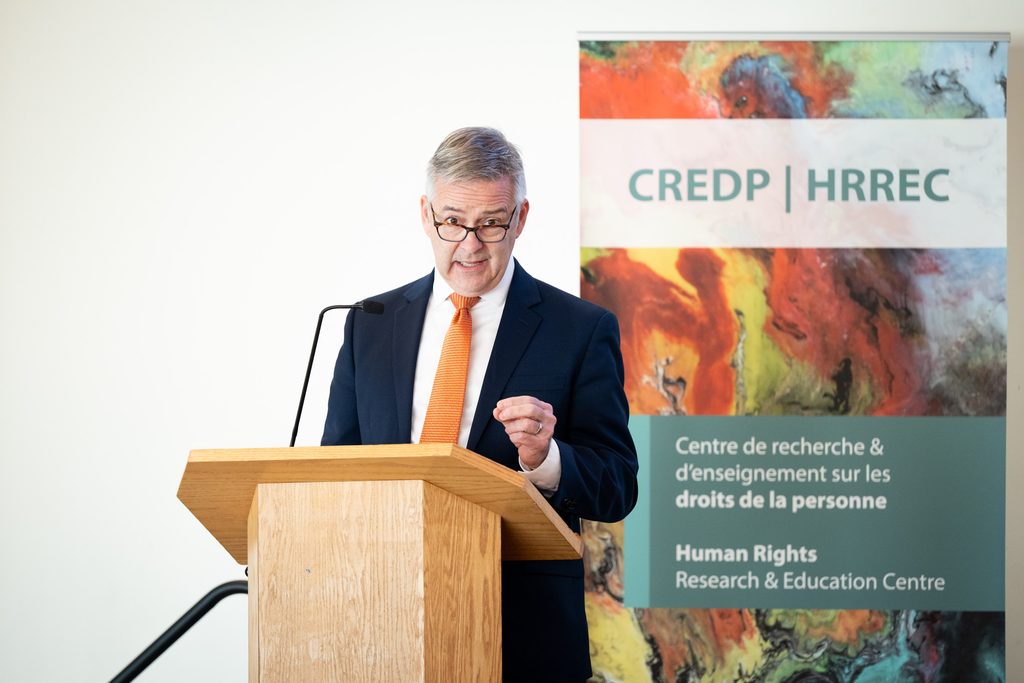
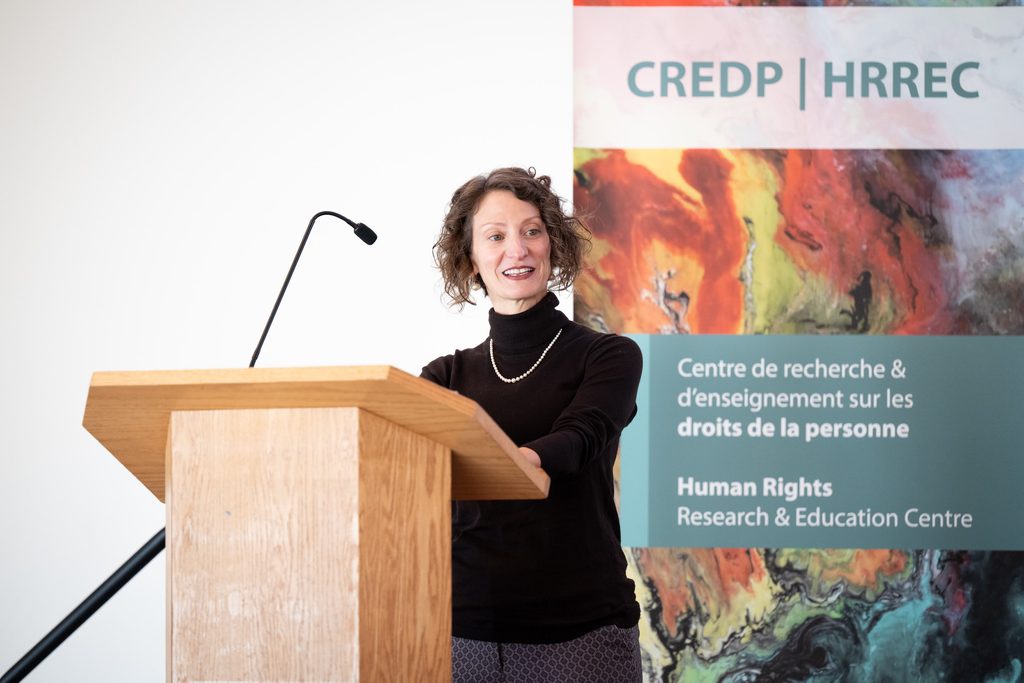
Penelope Simons, director of the Human Rights Research and Education Centre (HRREC) at the University of Ottawa, welcomed participants and highlighted the institution’s commitment to the Coalition, of which the Centre is a founding member. She also shared an initiative by the University of Ottawa Faculty Association: the creation of a dedicated committee to gather faculty members’ experiences regarding academic freedom, engage with different stakeholders, and prepare a report on the subject.
Highlighting the importance of the meeting for regional exchange, Simons noted: “We have a lot to learn from the experience of CAFA members in other countries, and a lot to contribute to this conversation.”
Camilla Croso, CAFA’s Executive Director, introduced the conference theme — Pathways to Implementing the Right to Academic Freedom Across the Americas — and situated the debate within the context of international and regional normative developments. She referred to the Inter-American Principles on Academic Freedom and University Autonomy, developments promoted within the United Nations, and reports by the Special Rapporteurs on freedom of expression and the right to education.
Croso emphasized that academic freedom must be understood in its individual, institutional, and collective dimensions. Its implementation requires recognition of university autonomy and of the conditions necessary for students, faculty members, and researchers to produce, teach, share, and discuss knowledge without undue interference. She also stressed that defending this right is not exclusively a concern of educational institutions: society has a right to knowledge and critical thinking.
In presenting one of the region’s central challenges, Croso pointed to the need to build a protection and hosting framework that is still insufficiently developed across the Americas.
Robert Quinn: protecting researchers also means addressing the root causes of threats
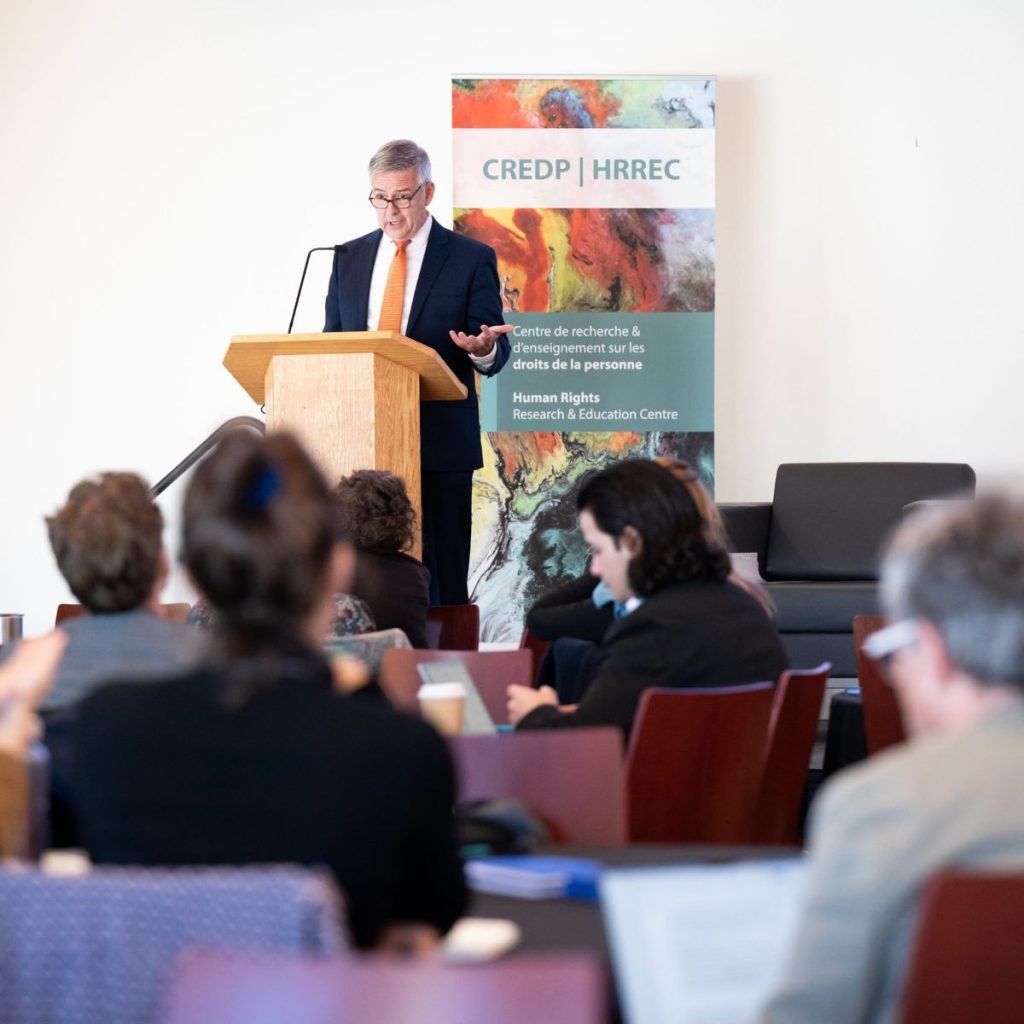
The keynote address by Robert Quinn, founder and executive director of Scholars at Risk, addressed the challenges of protecting members of academic communities facing threats, persecution, or violence sufficient.
Drawing on the organization’s experience, Quinn noted that hosting programs and temporary opportunities enabling researchers and faculty members to continue their work are essential, but not Individual protection must be part of a broader strategy capable of addressing the conditions that generate threats and restrict academic freedom.
To this end, he identified three challenges: clearly defining what academic freedom is and whom it protects; documenting attacks and producing data; and advancing the effective implementation of existing standards.
“If we want to help as many educators as possible, we need to work on the root causes of these attacks,” said Robert Quinn.
Quinn also insisted that formal recognition is not enough unless it translates into concrete measures at every level: international, regional, national, and institutional. “Implementation requires more than declaring principles. It requires putting them into practice, everywhere and at every level.”
Academic freedom as a right: challenges and gaps in protection in Canada
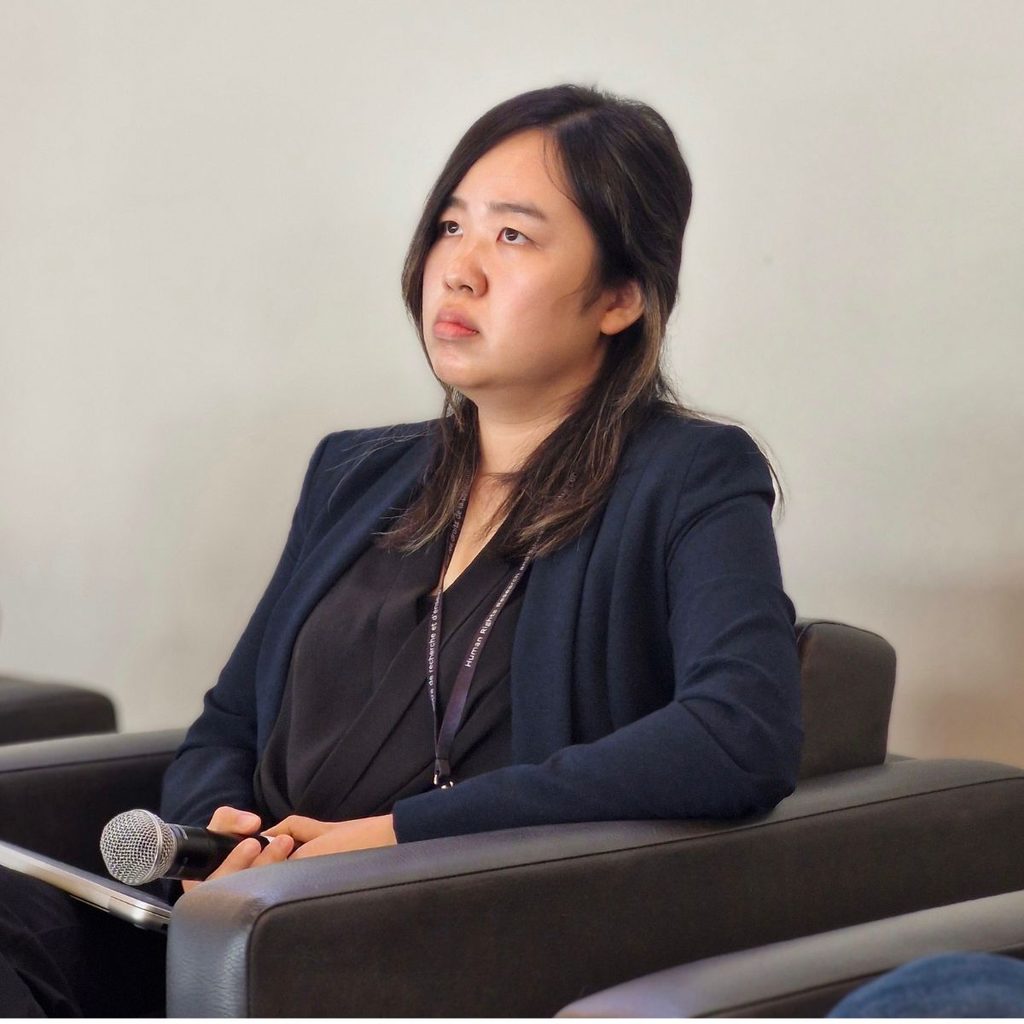
The first panel of the 5th CAFA Conference addressed the challenges of recognizing and guaranteeing academic freedom as a right in Canada, the host country. Moderated by Joel Westheimer of the University of Ottawa, the panel brought together Eya Benhassine of the University of Montreal; Vannie Lau of the University of British Columbia (UBC); and Érik Labelle Eastaugh of the Université de Moncton.
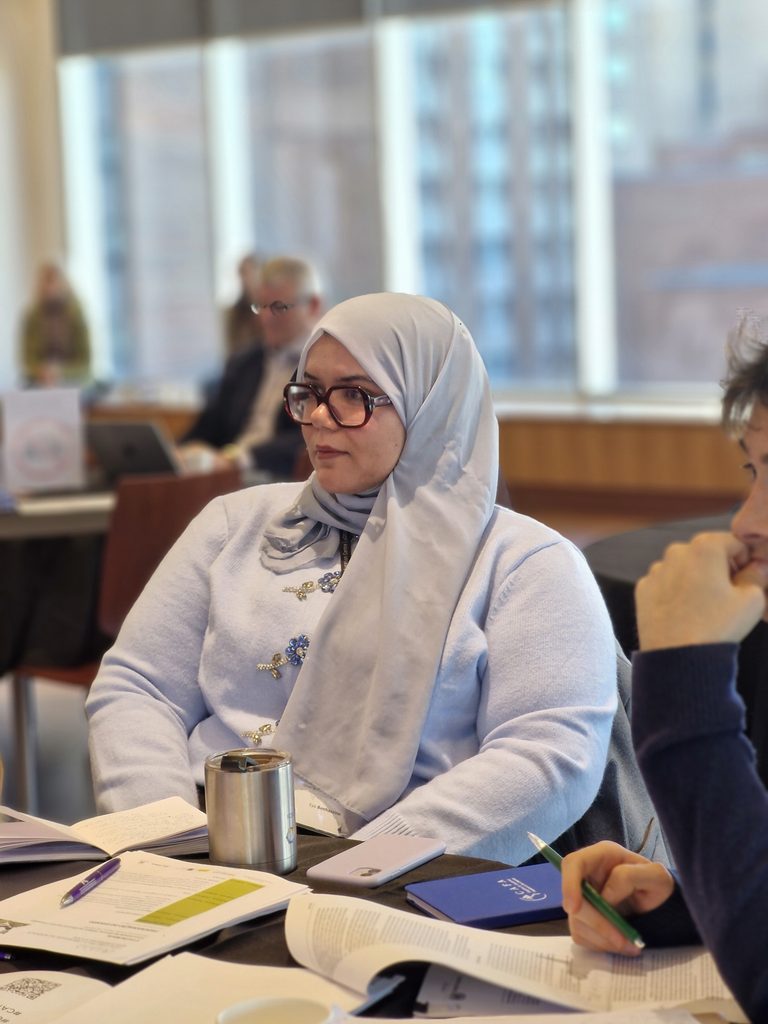
Eya Benhassine presented research on gender inequalities in academic careers and the conditions necessary for the exercise of academic freedom. Her analysis drew attention to the contradictions between institutional commitments to equity, diversity, and inclusion and practices that may limit their implementation. The researcher also discussed how the discourse of academic freedom can be instrumentalized in political disputes, including to challenge or undermine equity and inclusion initiatives at universities.
Vannie Lau examined gaps in academic freedom protection mechanisms in Canada through the lens of international human rights standards. Among the challenges identified were fragmented legal protections and unequal levels of protection among different members of university communities. As she noted, students and workers who are not covered by collective agreements or union organizations are often left unprotected. The researcher also highlighted the importance of recommendations issued by the UN Human Rights Committee, which recognize academic freedom as a right and recommend that Canada adopt measures to guarantee it.
Érik Labelle Eastaugh contributed to the debate from a constitutional perspective, addressing the legal foundations of academic freedom and discussions surrounding institutional neutrality. He also referred to Quebec’s legal framework, which includes a specific definition of academic freedom and institutional mechanisms for its protection.
The exchange between panelists and participants explored issues such as internal and external threats to academic freedom, institutional autonomy, and the limits of the principle of university neutrality. The discussions highlighted the need to strengthen legal and institutional frameworks to guarantee academic freedom as an effective right for everyone who belongs to academic communities.
Academic freedom and gender justice: resistance to violence and inequalities in academia
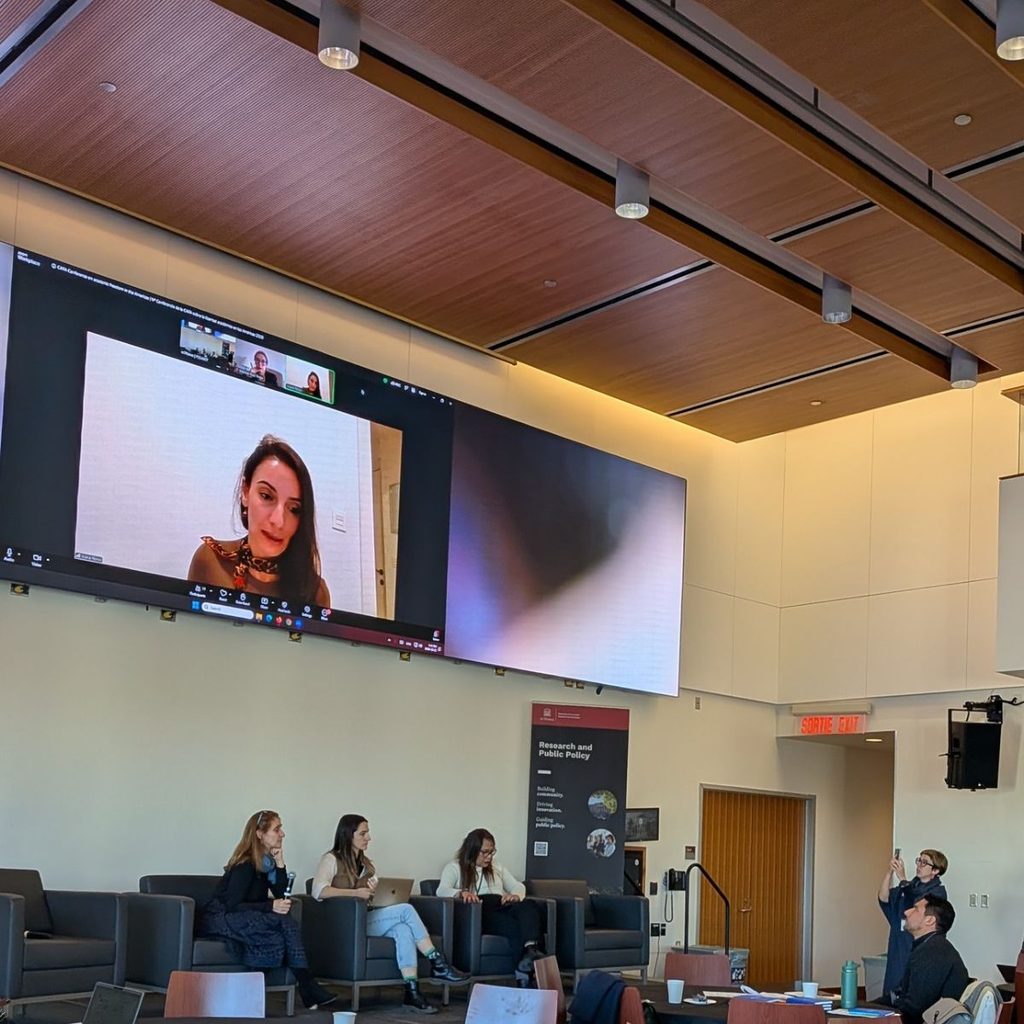
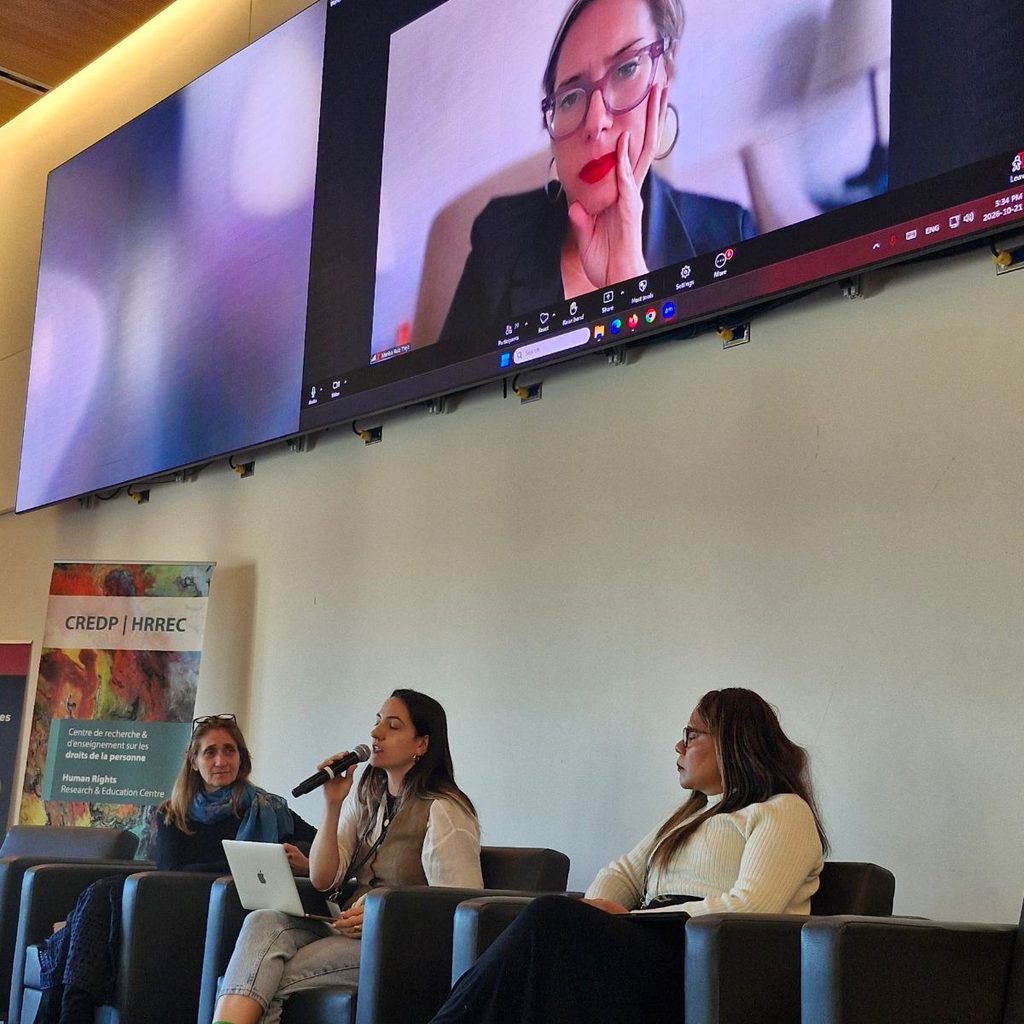
The relationship between academic freedom and gender justice was the focus of the second panel of the 5th CAFA Conference. The contributions of Victoria Pasero of the National University of La Plata (Argentina); Joyce Alves da Silva of the Federal Rural University of Rio de Janeiro (Brazil); Joana Flores of the Federal University of São Paulo (Brazil); and Mariza Ruiz Trejo of the Autonomous University of Chiapas (Mexico), moderated by Camilla Croso of CAFA, addressed the different ways in which gender inequalities and violence affect the exercise of academic freedom in the region, as well as examples and initiatives to counter them.
Victoria Pasero analyzed the challenges facing academic freedom amid the rise of the far right, particularly in Argentina, focusing on attacks against gender studies, the social sciences, and the humanities. From a feminist perspective, she emphasized the importance of recognizing how political and gender-based violence — including femicides and the disappearances of women — are connected to disputes over the production and circulation of knowledge. Her contribution underscored one of the key elements of the Inter-American Principles: the understanding of academic freedom as a right that concerns society as a whole.
Joyce Alves da Silva highlighted the experience of the Federal Rural University of Rio de Janeiro in developing institutional affirmative action initiatives, inclusion policies, and measures to protect the rights of trans people. Addressing the challenges that persist even after access to university has been guaranteed, she stated: “With affirmative action, we face a battle that goes beyond guaranteeing places: it involves defending the ability of this student population to remain at university.” Her contribution underscored the connection between inclusion policies and epistemic justice, one of the cornerstones of academic freedom, which presupposes the participation and circulation of ideas from people historically marginalized and excluded from knowledge production systems. Furthermore, as a trans woman, Joyce’s presence on the panel also represented an important step toward the visibility and recognition of the diversity of women in academic spaces.
Joana Flores, in turn, presented experiences promoted by CAFA’s Gender Working Group, particularly the pilot project for training and preventing gender-based violence in higher education institutions (HEIs). The initiative promotes critical training for teams, participatory methodologies for developing intervention and change proposals, and exchange among institutions in six Latin American countries. Among the challenges identified, she highlighted the need to strengthen the implementation and monitoring of institutional protocols, create common monitoring indicators, ensure ongoing training processes, and reinforce the responsibility of the State and HEIs to protect the right to academic freedom.
Mariza Ruiz Trejo presented feminist and interdisciplinary research on the obstacles faced by women, feminists, and LGBTQI+ people in exercising academic freedom in Chiapas, Guatemala, and El Salvador. The study, developed through interviews, meetings, and conversations with researchers, students, artists, and activists, identified situations of harassment, threats, discrimination, sexual violence, and criminalization, as well as barriers related to motherhood and remaining in academic life. Mariza emphasized that gender-based violence, harassment, and threats violate academic freedom and can lead to self-censorship.
Promoting a protection ecosystem for academics at risk
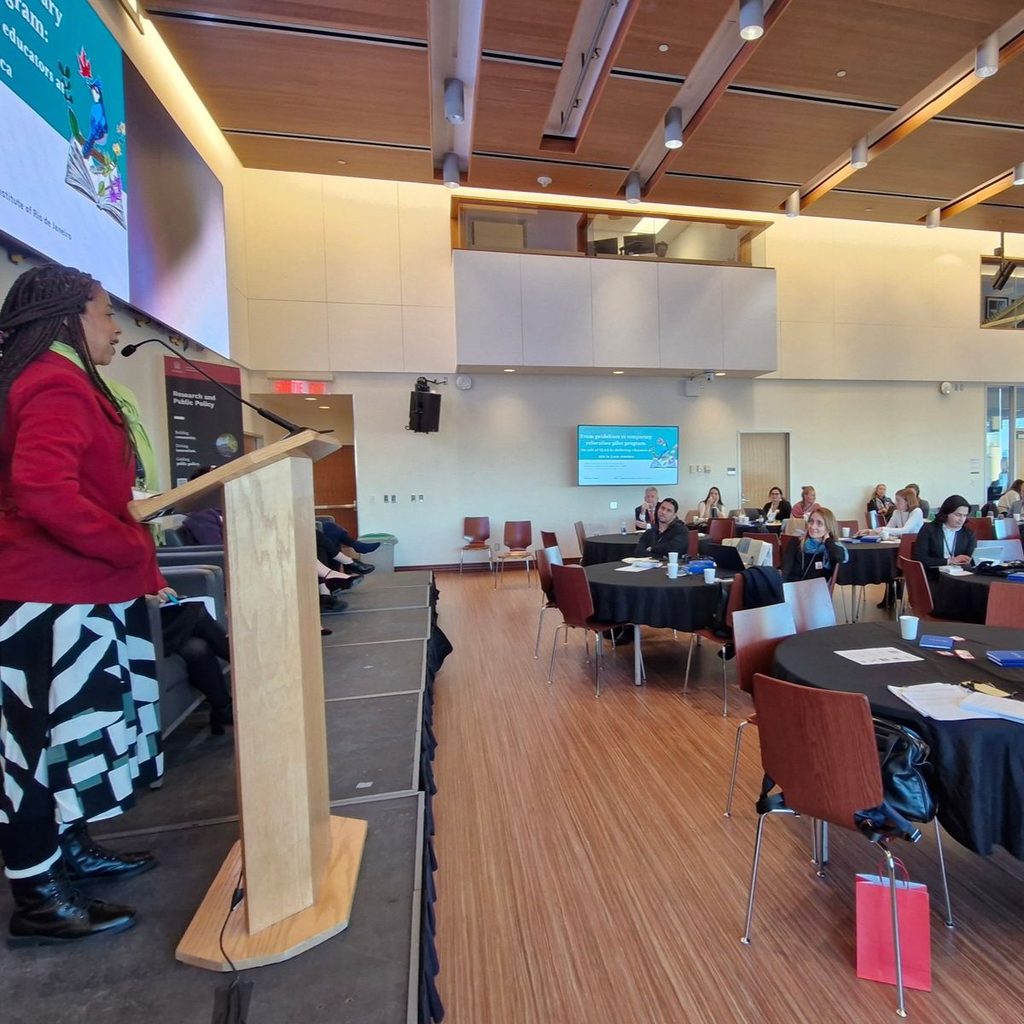
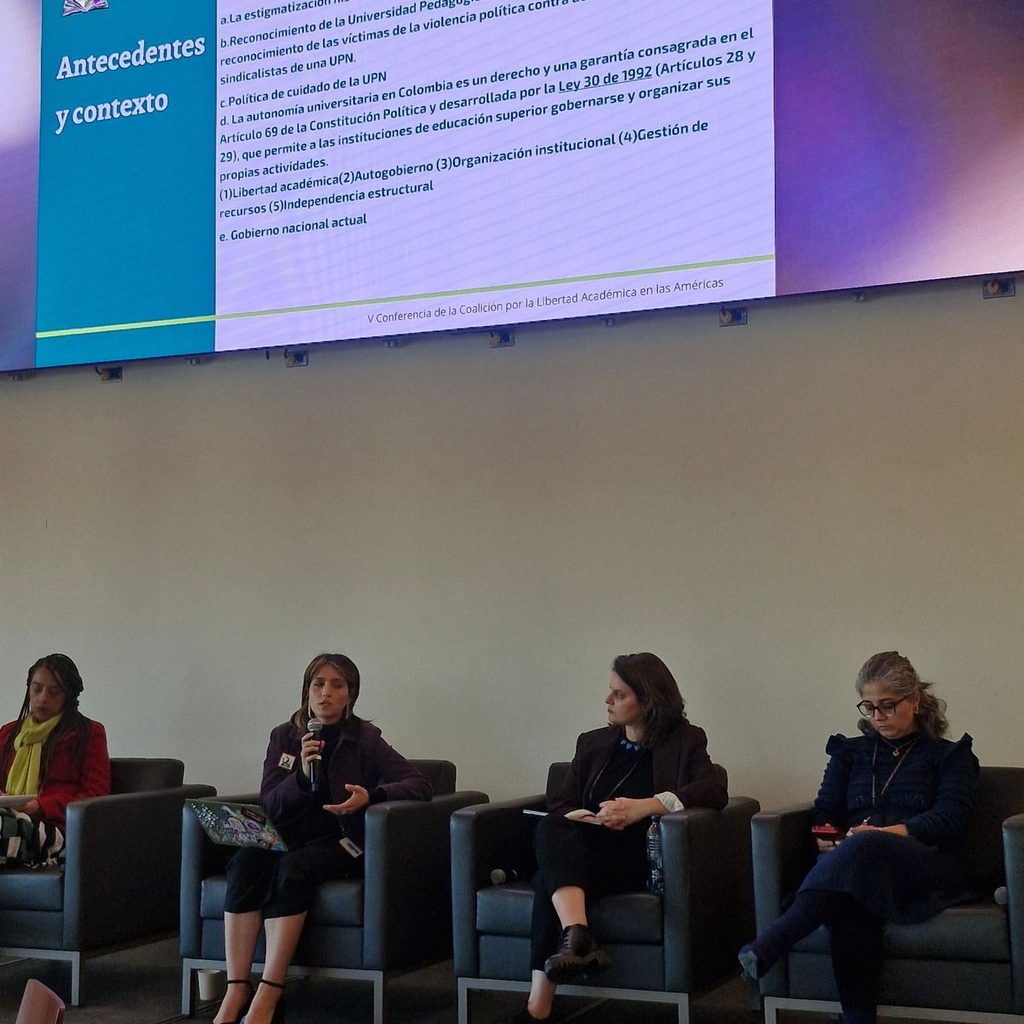
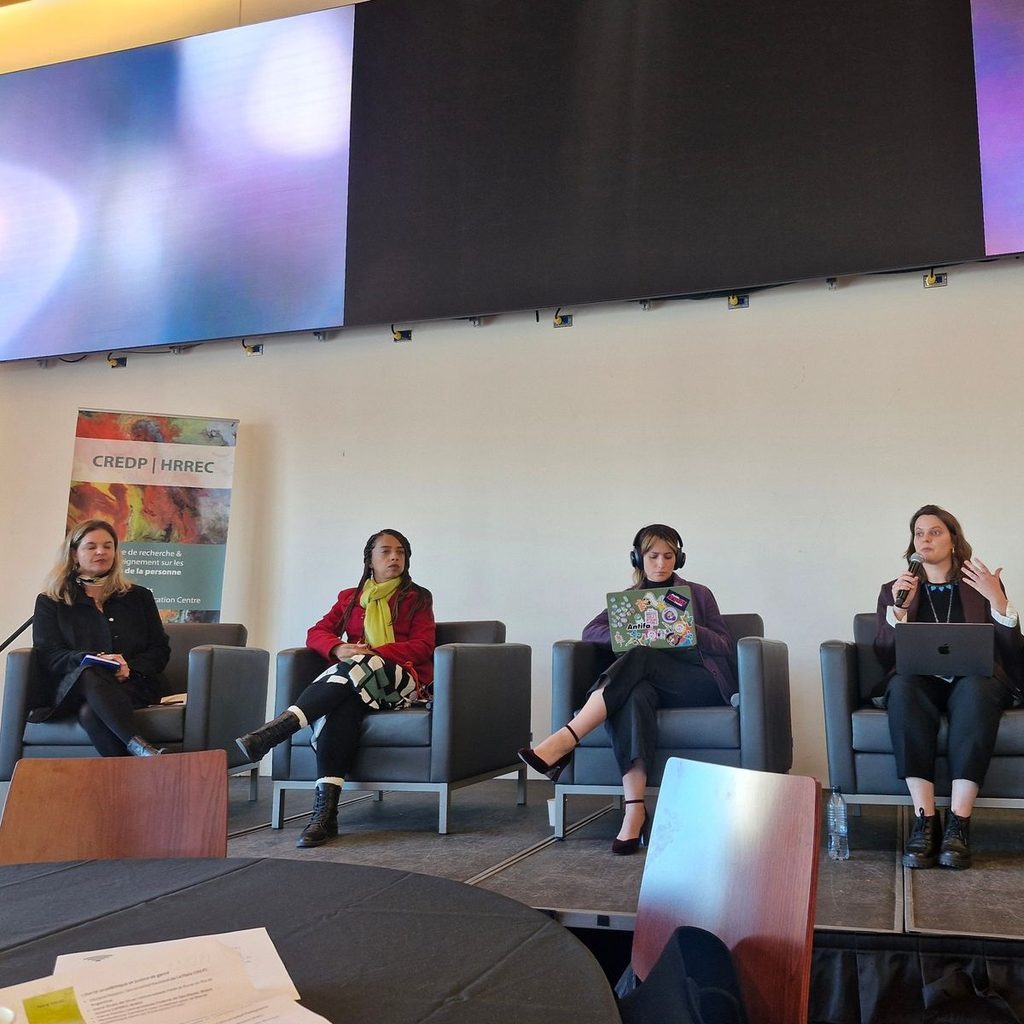
The panel Promoting a Protection Ecosystem for Academics at Risk, moderated by Danielle Pamplona (Pontifical Catholic University of Paraná, Brazil), brought together experiences from Brazil, Canada, and Colombia to reflect on the challenges of building protection and hosting mechanisms that enable educators, researchers, and students to continue their academic paths in the face of threats and human rights violations. The contributions highlighted that forced displacement and academic exile do not merely entail the loss of a workplace or place of study; they also generate other vulnerabilities related to safety, immigration status, family ties, and the continuity of professional and learning activities. In this regard, participants emphasized the need to move beyond fragmented responses and advance institutional policies, public policies — including funding policies — and cooperation networks capable of providing comprehensive and sustained support.
From Canada, Enchieh Erfani, an Iranian researcher at the Perimeter Institute for Theoretical Physics, shared her experience of exile following threats she received because of her stance toward the Iranian regime. She explained the difficulties academics at risk face in accessing hosting programs, professional opportunities, and pathways to permanent residency. “Science saved my life, and it’s time to save others,” she said, referring to the title of an article published in Nature. She also pointed out the limitations of existing programs, which often restrict the definition of an academic to people with PhDs and research experience, leaving out students and other professionals.
Jaqueline Bertoldo, from the Federal University of Paraná (Brazil), presented an overview of academic hosting initiatives developed in the country, highlighting experiences at universities and research agencies that have received displaced faculty members and students. Although these initiatives represent important progress, she warned that they remain fragmented and that more stable, coordinated, and permanent mechanisms are needed.
Pâmella Passos, from the Federal Institute of Rio de Janeiro (IFRJ), presented CAFA’s work to move from institutional guidelines to concrete hosting actions. Based on the guidelines and the Letter of Commitment developed in 2025, the Coalition is promoting the creation of a regional hosting ecosystem and a pilot temporary relocation program. The initiative involves two Brazilian universities and one Colombian university, which are working to design institutional hosting projects that take into account infrastructure conditions, immigration requirements, and the needs of protected individuals and their families. The goal is to host three educators at risk in 2027 and systematize the lessons learned from these experiences.
From Colombia, Manuela Menéndez Besada-Lombana of the National Pedagogical University presented an institutional pathway for providing assistance and protection to members of the university community at risk. It includes prevention, legal support, protective measures, and emergency humanitarian assistance. Taken together, these experiences reaffirmed that protection requires institutional commitments, public policies, regional cooperation, and sustainable mechanisms to defend academic freedom and ensure that those facing threats can continue their educational and scientific activities with dignity and safety.
The Free to Think 2026 report: an overview of attacks on academic freedom
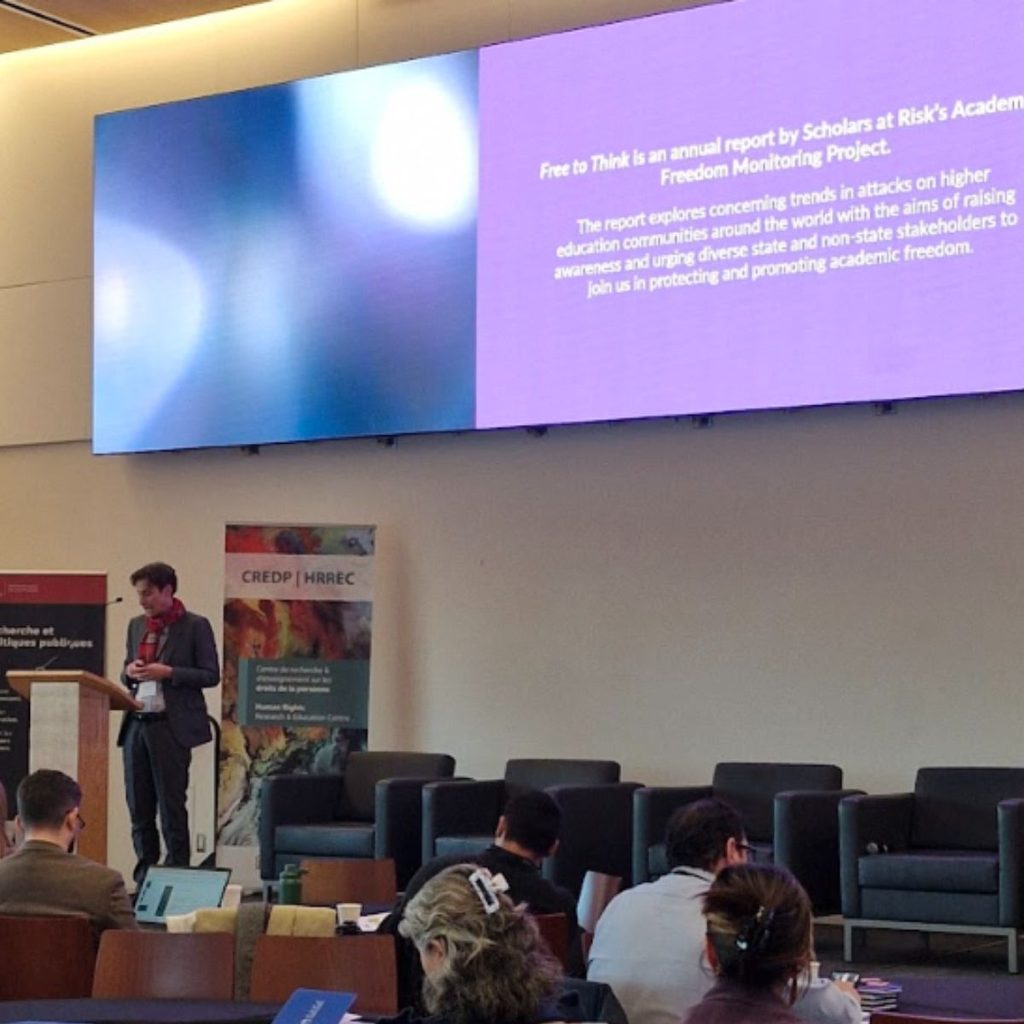
To close the first day’s program, Jack Mayerhofer, Senior Program Officer for Global Coalitions at Scholars at Risk and a member of CAFA’s Executive Committee, presented the main findings of the Free to Think 2026 report, which documented 382 attacks against higher education in 59 countries and territories between July 2025 and June 2026. Among the trends identified, he highlighted the continued repression in authoritarian contexts and the increase in attacks in countries traditionally considered democratic. These include not only violence, arrests, and persecution, but also restrictions on university autonomy, censorship, surveillance of faculty members, and limitations on academic mobility. “Universities occupy a fundamental place in society, at the intersection of power and ideas,” Mayerhofer noted, highlighting their role in producing knowledge, seeking truth, and educating students.
In analyzing the Americas, Mayerhofer warned of the decline of academic freedom in the region and drew particular attention to the deterioration of indicators in the United States, which moved from the “fully free” category to “moderately restricted” between 2019 and 2025. In response to this scenario, the report recommends strengthening public funding mechanisms to protect academics at risk, expanding hosting opportunities at universities, and mobilizing other professional sectors and civil society.
He also highlighted the moderate recovery of Brazil’s indicators in recent years as a sign that declining trends can be reversed. In his conclusion, he called for collective action: “Only through collective action can we resist the isolation, division, and fear that make attacks on higher education effective,” urging stronger cooperation and implementation of the Inter-American Principles on Academic Freedom and University Autonomy.
Defending academic freedom: legal tools to address threats and the instrumentalization of law
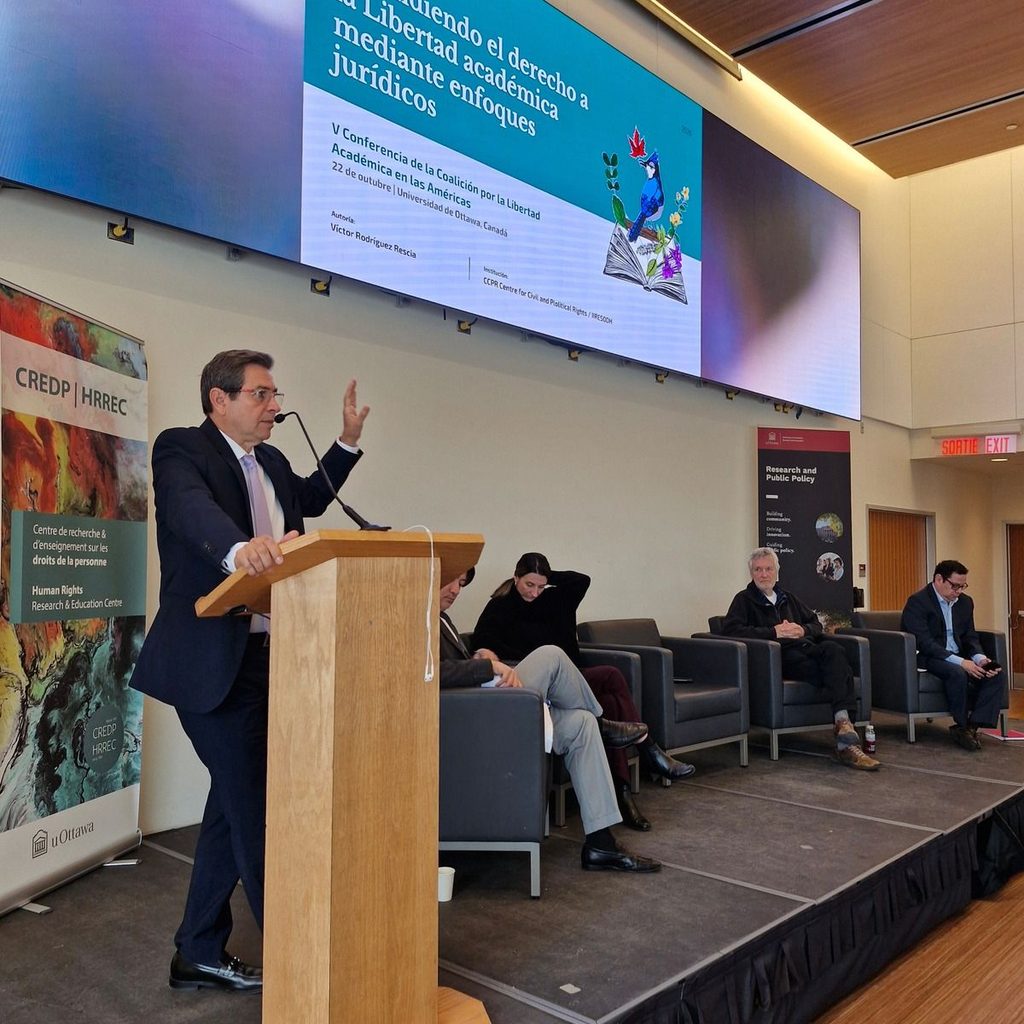
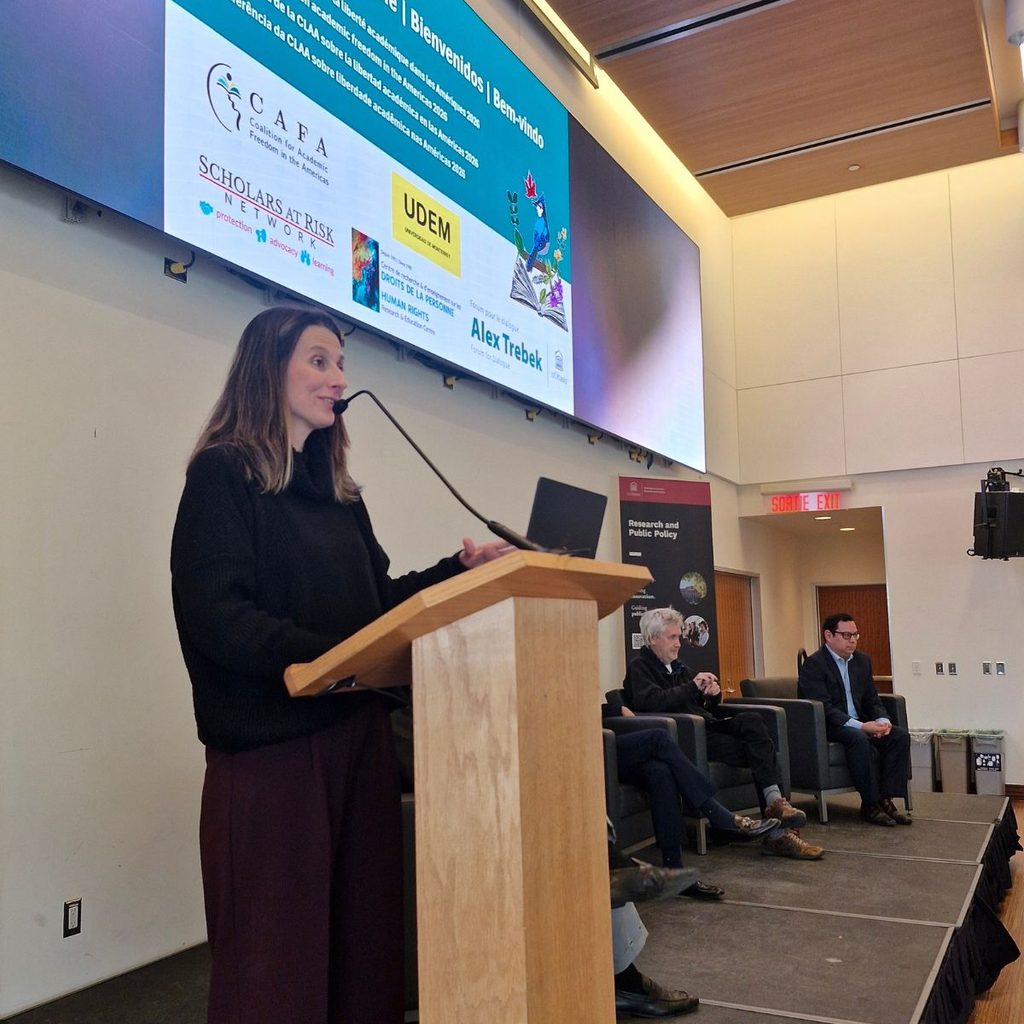
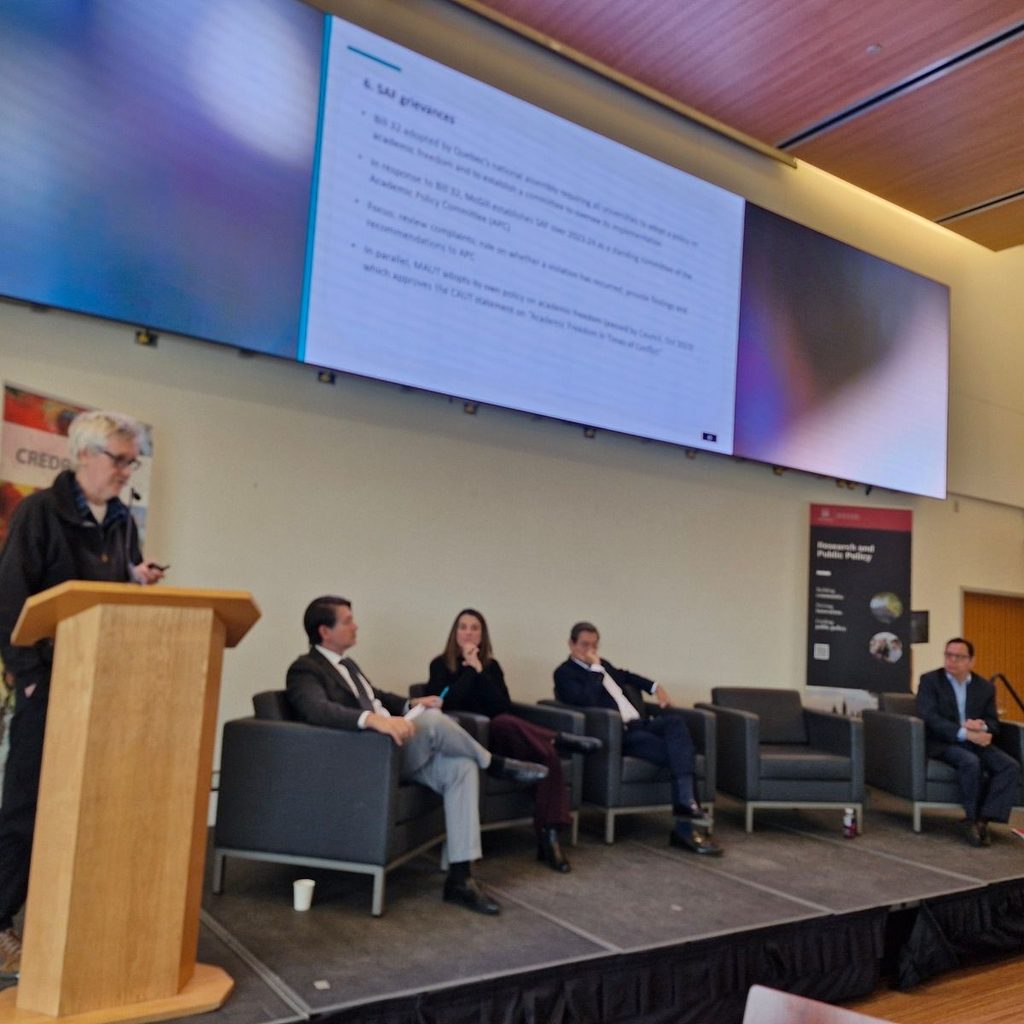
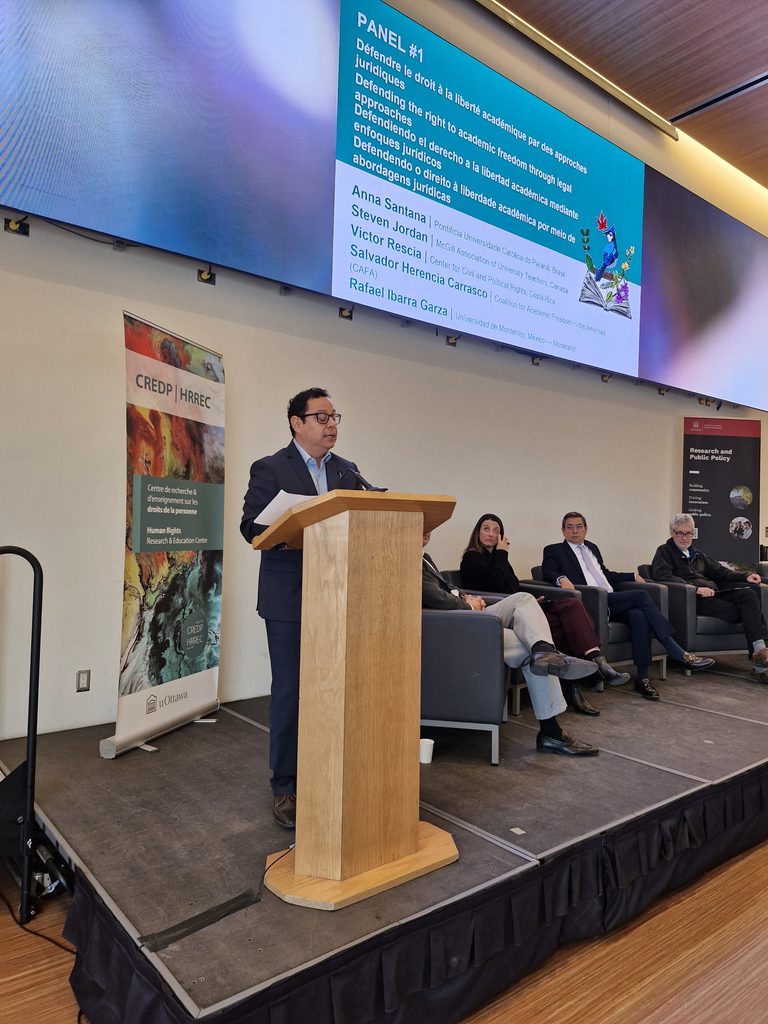
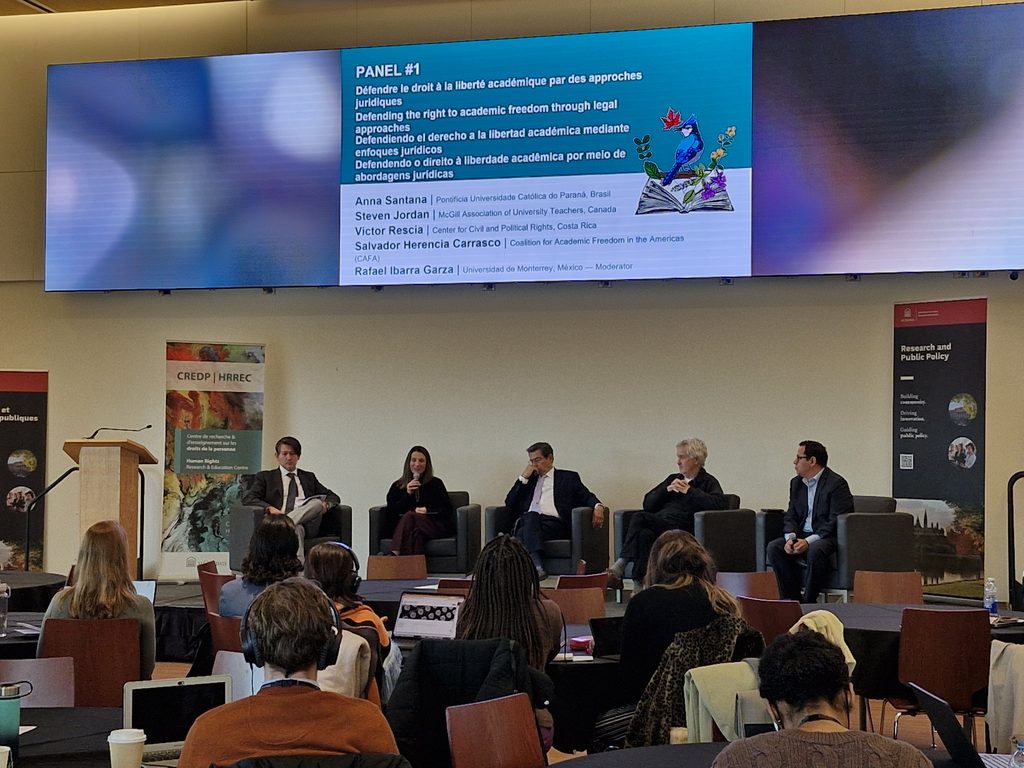
The panel Defending the Right to Academic Freedom through Legal Approaches, moderated by Rafael Ivaragarza, brought together perspectives on national and international legal mechanisms to protect academic freedom. Anna Santana, from the Pontifical Catholic University of Paraná (Brazil), highlighted the relationship between university autonomy, academic freedom, and democracy, and defended the recognition of this right as a guarantee that protects both members of academic communities and society’s interest in the production of and access to knowledge.
Victor Drescia, from the Center for Civil and Political Rights, proposed developing a strategic litigation roadmap connecting national constitutional mechanisms, the Inter-American Human Rights System, and United Nations special procedures. Among his proposals, he highlighted the preparation of shadow reports on the situation of academic freedom in countries across the region. “Let’s develop a litigation roadmap,” he suggested, inviting universities and organizations to move beyond the institutional sphere and act together in response to violations.
From Canada, Steven Jordan of the McGill Association of University Teachers shared his association’s experience in dealing with controversies generated by a resolution approving an academic and cultural boycott of Israeli institutions identified as being involved in genocide and ethnic cleansing. The initiative, approved by 108 votes in favor and eight against, triggered a strong public reaction and complaints against Jordan, then president of the association, on the grounds that the resolution affected the academic freedom of those who maintained ties with Israeli institutions. For Jordan, the case illustrates how discourses intended to protect this right can end up restricting it, generating self-censorship and a climate of intimidation within universities.
Salvador Erencia Carrasco, from the Coalition for Academic Freedom in the Americas (CAFA), presented the organization’s legal advocacy work and proposed expanding the use of existing international instruments. He recalled that 2026 marks five years since the adoption of the Inter-American Principles on Academic Freedom and University Autonomy and two years since the United Nations guidelines for implementing this right. However, he warned that these instruments represent a starting point: “The principles establish the floor, not the ceiling, of what academic freedom can and should be.” He also emphasized the importance of supporting specific cases involving people affected by reprisals, dismissals, and persecution, as well as considering the consequences of these violations for their life plans. “Academic freedom is a right and, as a right, we must focus on people,” he noted.
Students’ right to academic freedom: protection, agency, and participation in universities
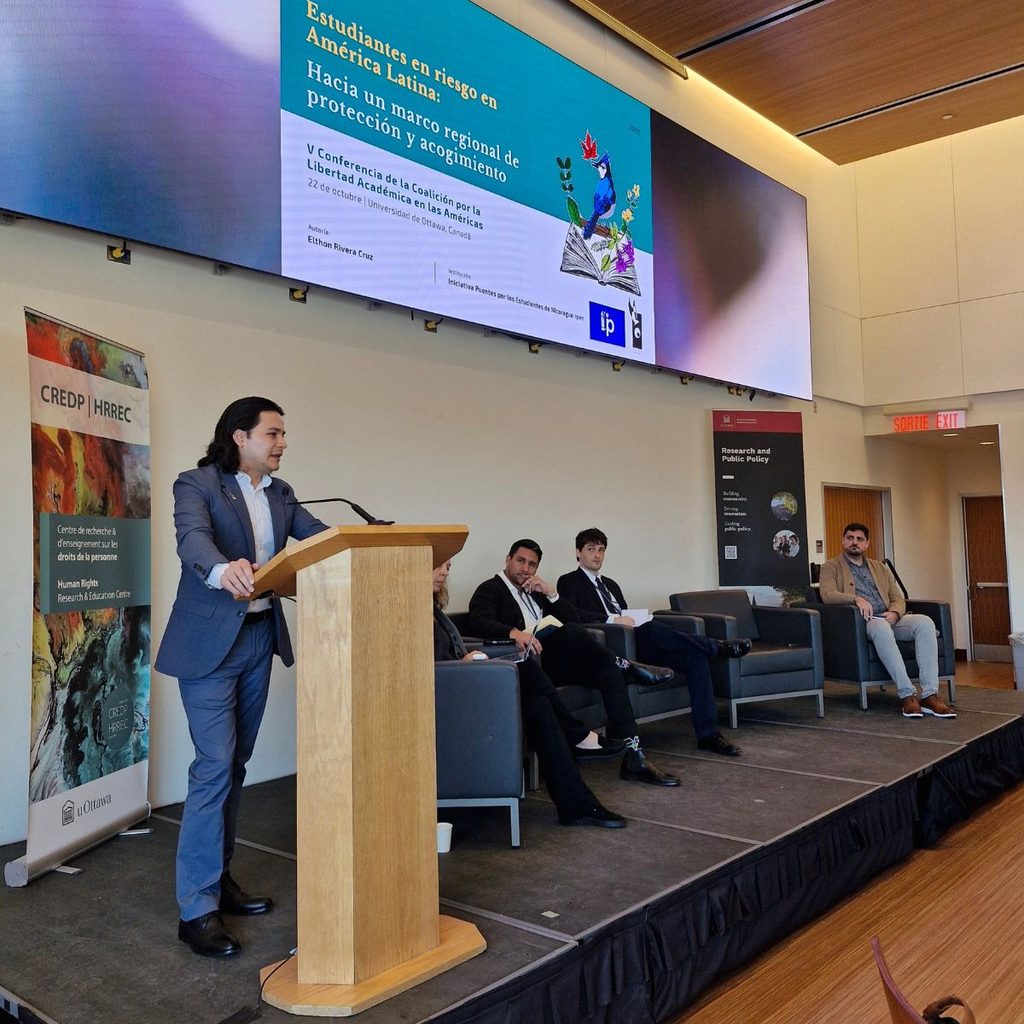
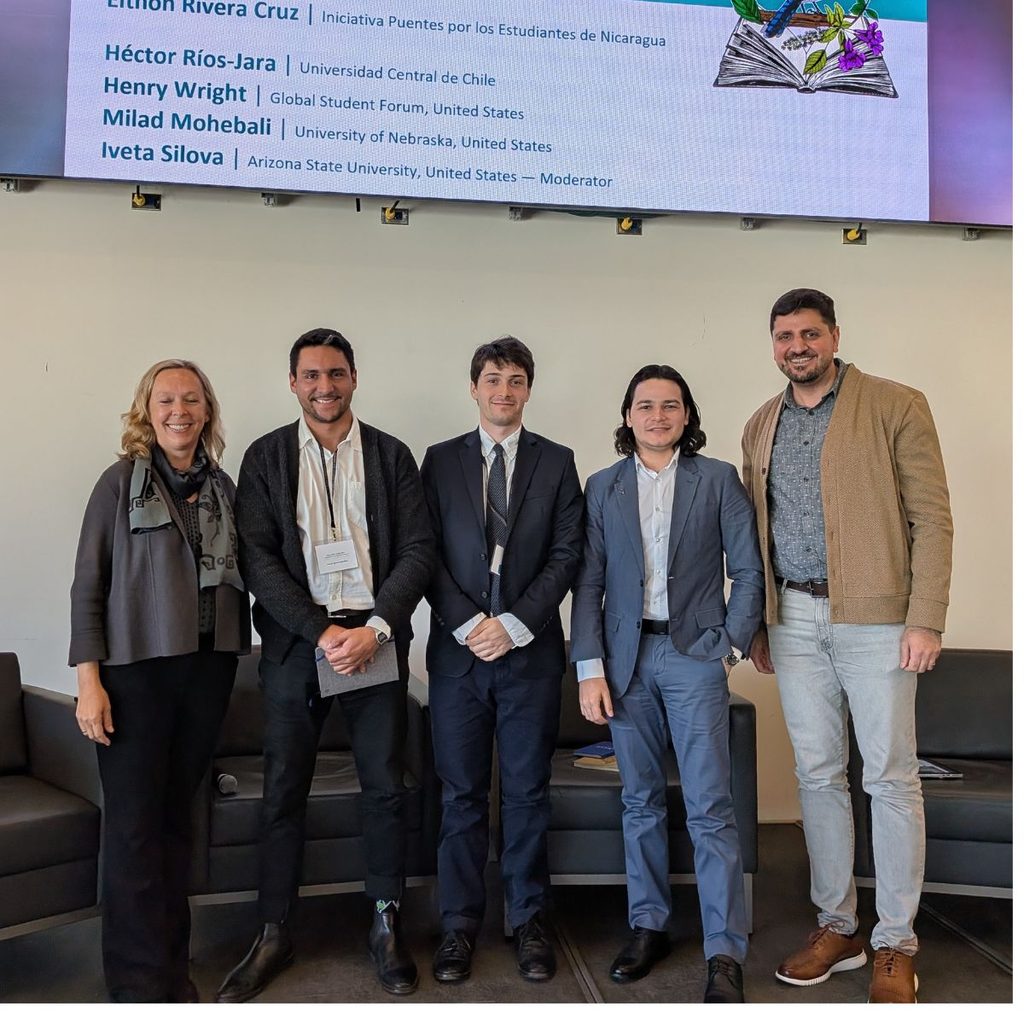
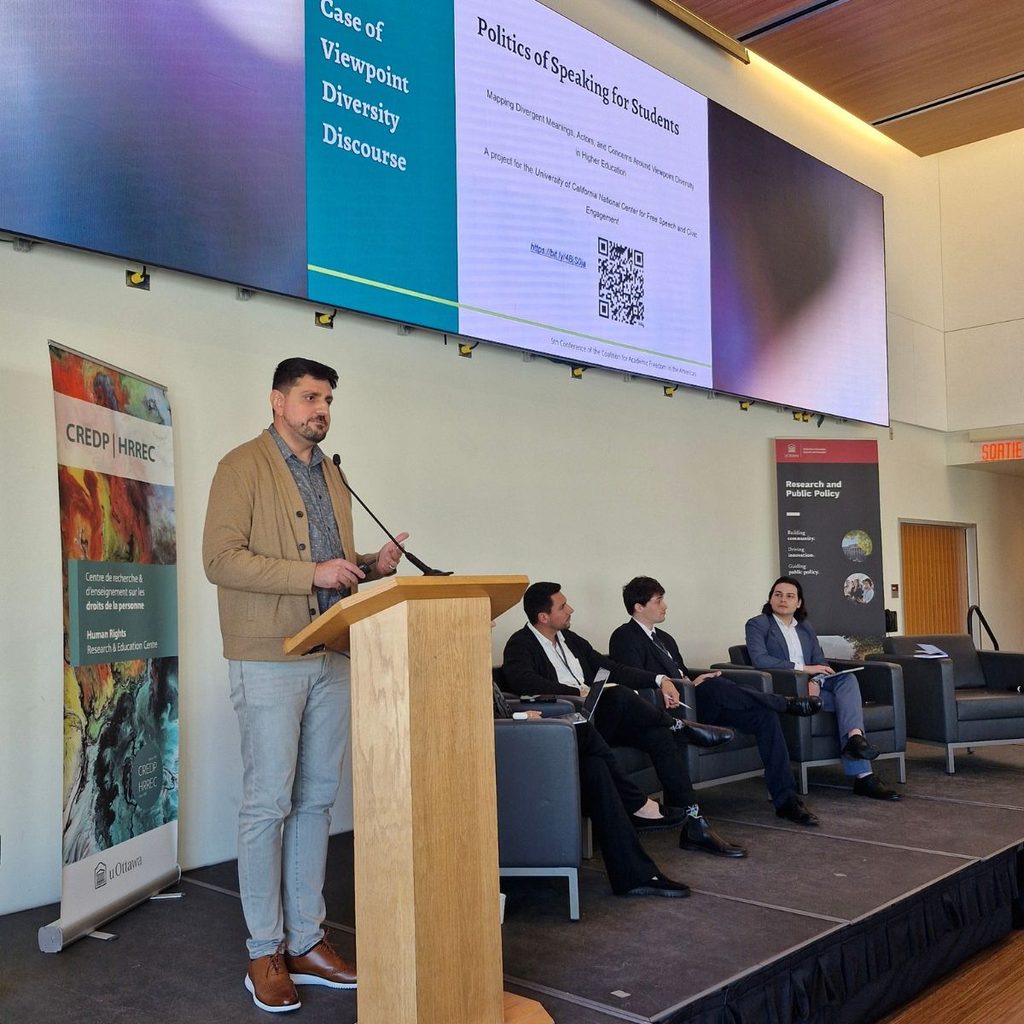
Academic freedom is also a right of students, who produce knowledge, participate in university life, and can drive political and social transformations. This was one of the central ideas of the panel Students’ Right to Academic Freedom, moderated by Iveta Silova of Arizona State University. The discussion, held on the second day of the conference, brought together Elthon Rivera of the Bridges Initiative for Nicaraguan Students (IPEN); Héctor Ríos-Jara of the Central University of Chile; Henry Wright of the Global Student Forum; and Milad Mohebali of the University of Nebraska. Drawing on research and experiences from different contexts, the participants addressed the threats students face and strategies to guarantee their protection, participation, and continued education.
Elthon Rivera presented the work to develop a regional framework for the protection and hosting of students at risk in Latin America, promoted by the Coalition for Academic Freedom in the Americas (CAFA). The proposal seeks to respond to the lack of clear mechanisms to guide universities in receiving students affected by persecution, displacement, and attacks on academic freedom. The process includes a stage that will allow institutions to review and adapt the guidelines to their own conditions and capacities. Rivera stressed that institutions do not need to have all mechanisms in place before taking action: student protection must advance alongside the development of institutional tools. He also drew attention to the situation in Nicaragua and the need to incorporate an intersectional perspective that considers the specific risks faced by women and historically vulnerable communities.
Héctor Ríos-Jara shared findings from research on how university communities protect student activism in contexts of democratic backsliding. Based on an analysis of 19 cases in 14 countries and interviews with students and organizations, he noted that many of the most effective responses do not come from formal structures, but from informal networks, horizontal alliances, and mutual support mechanisms. These networks provide guidance, legal assistance, and alternatives that enable students to continue their studies and political participation. However, they constitute a fragile ecosystem, marked by a lack of resources, volunteer work, and difficulties in sustaining long-term support. In this regard, Ríos-Jara highlighted the importance of expanding coalitions and strengthening international collaboration without compromising the autonomy of these networks. He also raised a conceptual challenge: connecting academic freedom with other student struggles, such as the right to education, inclusion, and opposition to austerity policies.
Henry Wright explained how the Global Student Forum works to facilitate the submission of information and complaints by students affected by human rights violations to the special procedures of the United Nations Human Rights Council. To this end, the organization is preparing a section on its website with guidance and direct support for those who need to use these mechanisms. In his contribution, he insisted that solidarity requires recognizing different levels of risk: public responsibilities and representative tasks should be distributed in consideration of each student’s circumstances and safety.
Milad Mohebali, in turn, defended the need to build relationships of trust and dialogue before conflicts erupt at universities. To this end, faculty members, students, and student affairs teams must establish permanent spaces for listening and collaboration, rather than limiting exchanges to moments of crisis. During the discussion, panelists also addressed threats to academic freedom within classrooms, including self-censorship and distrust among students, as well as the effects of polarization and social media. The discussion broadened the perspective on the different sources of pressure that shape student participation and on the need to ensure that the least-heard voices can take part in decision-making.
Collective resistance to transform university structures
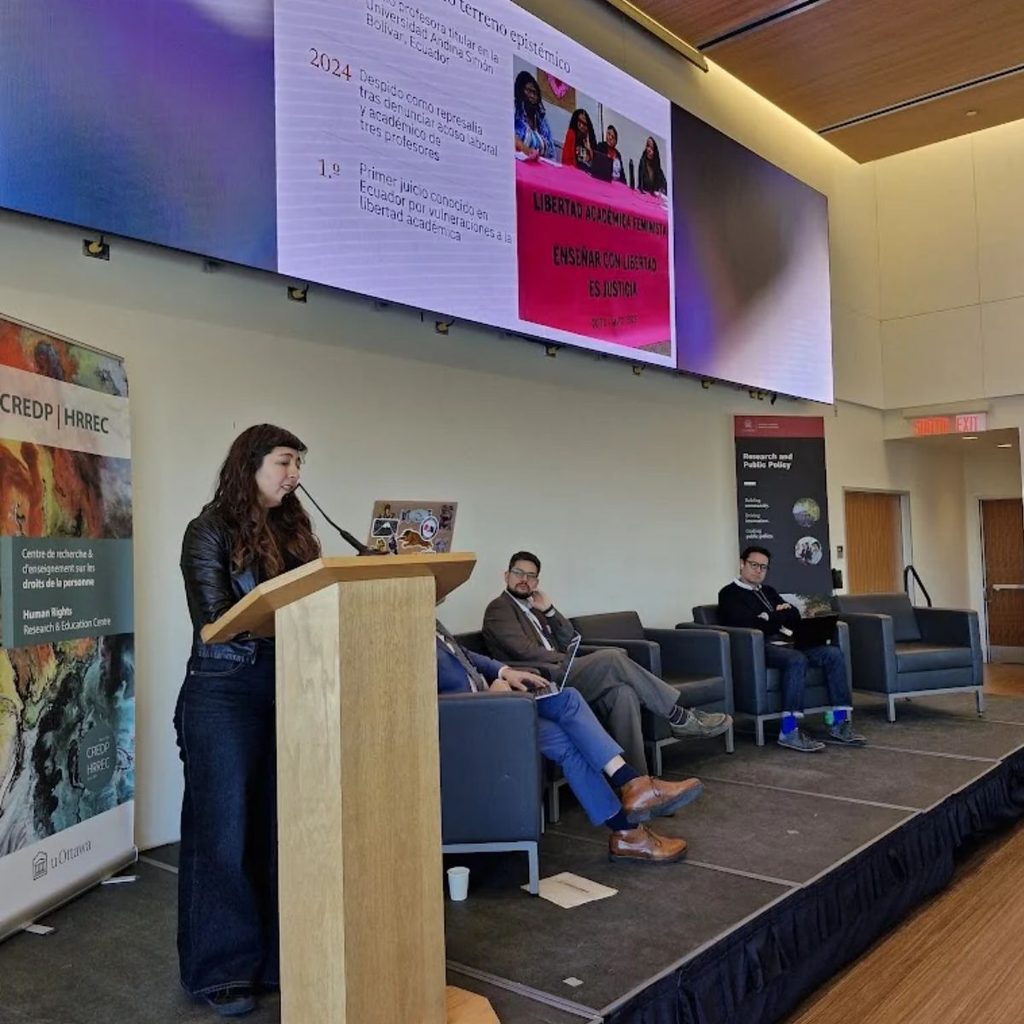
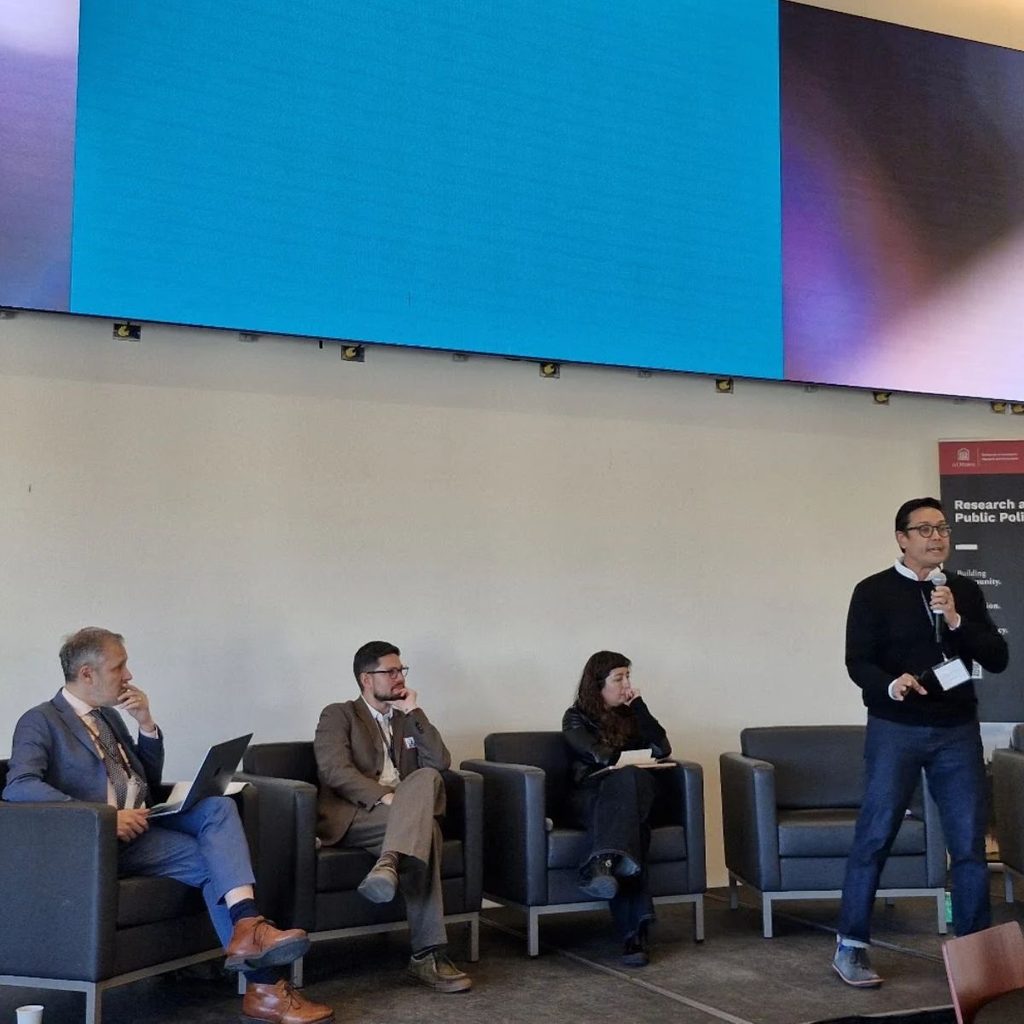
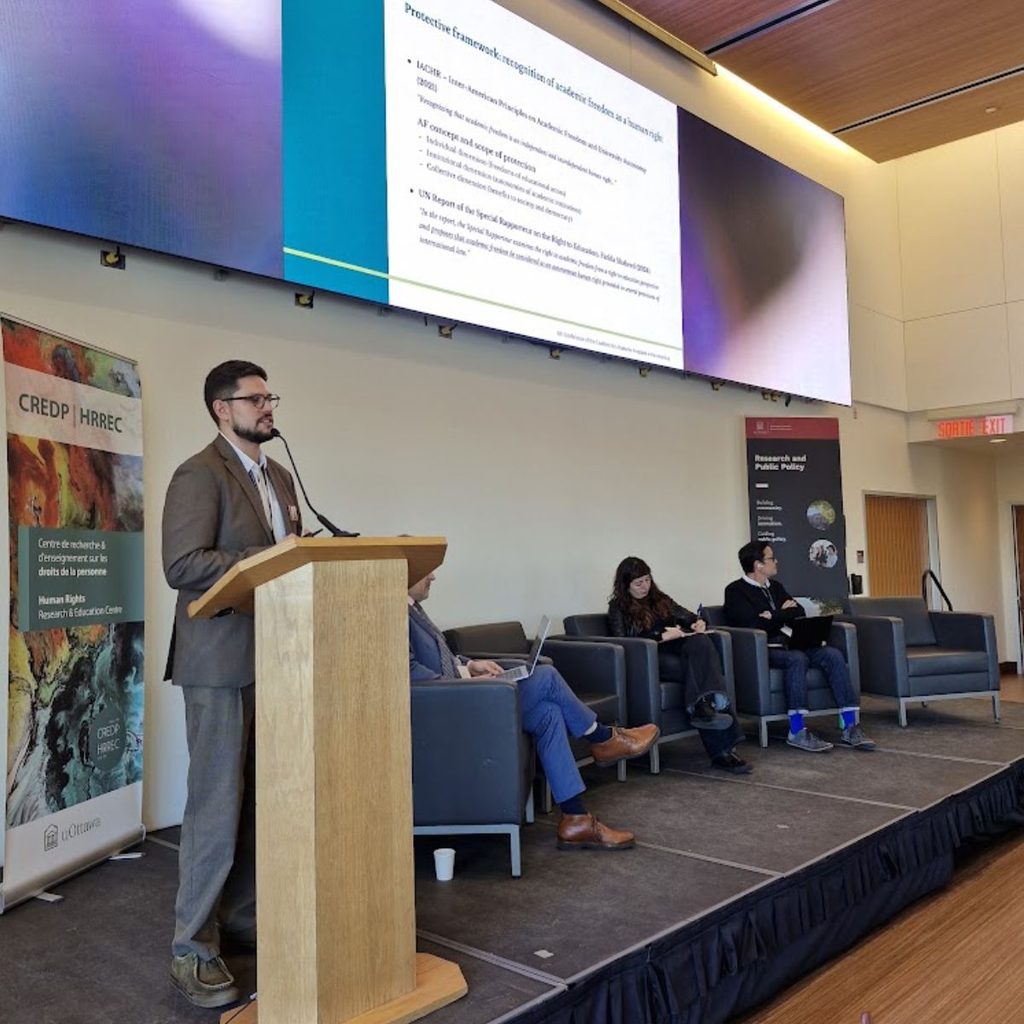
Resistance to attacks on academic freedom cannot be limited to legal responses or the individual defense of faculty members and researchers. It requires collective organization, prevention, social mobilization, and institutional commitments. This was one of the main reflections of the panel Modes of Resistance and Change, moderated by Jesse Levine of Scholars at Risk during the 5th CAFA Conference.
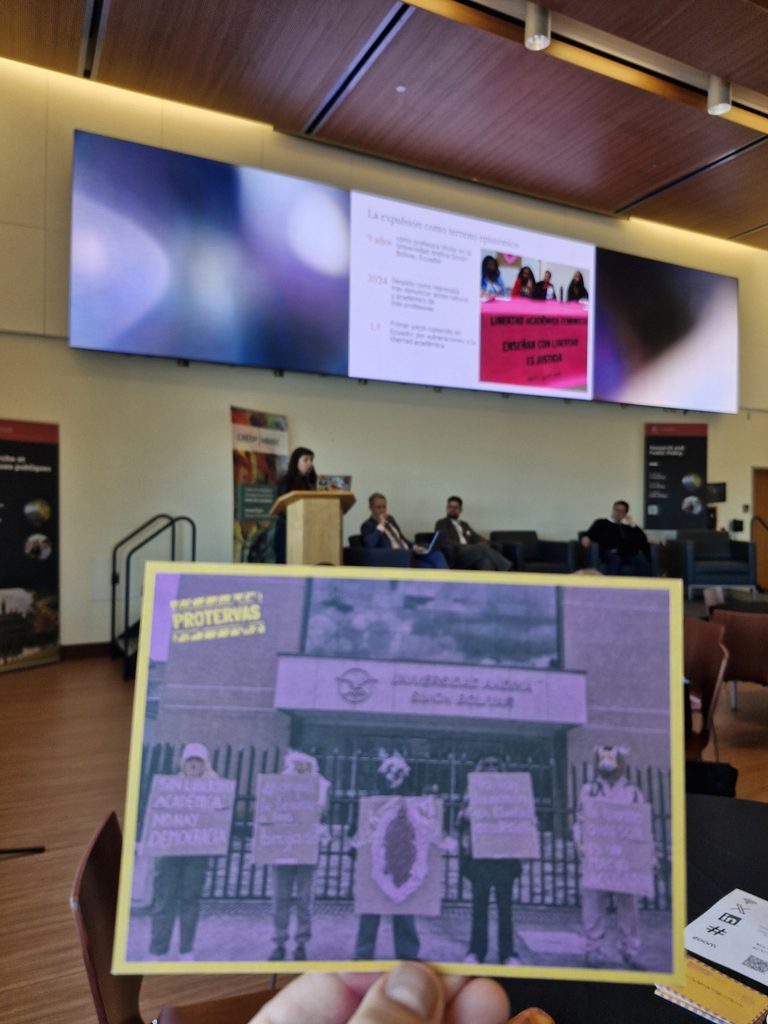
Cristina Burneo Salazar, an independent researcher from Ecuador, shared her experience of reprisals and dismissal from the Andean University Simón Bolívar after reporting situations of workplace and academic harassment. Her account showed how university structures can reproduce power relations and use institutional mechanisms to silence those who challenge these practices. In response, she highlighted the coordination of feminist collectives and the creation of collective spaces for listening and justice that do not depend exclusively on state procedures. She also defended the need to broaden who produces knowledge and participates in university life by including trans, Afro-descendant, Indigenous, and migrant people. As she summarized, the aim is to transform denunciation “into a collective force for creation” and build institutions with greater epistemic pluralism.
Fernando Romani Sales, from CAFA, presented a study on initiatives and strategies to defend academic freedom in the Americas. Drawing on experiences from different countries, he highlighted the complementarity between institutional mechanisms and forms of resistance led by faculty members, students, unions, and civil society organizations. His contribution emphasized that protecting this right requires both responses to violations and actions capable of strengthening the democratic conditions of educational institutions.
From the United States, Glenn Mitoma of Columbia University’s Institute for the Study of Human Rights analyzed the impacts of measures taken by Donald Trump’s administration on universities and, in particular, on human rights centers and institutes. He described the pressure exerted on Columbia through the freezing of more than US$400 million in federal funds, restrictions on student mobilization, and measures targeting international students and academics. Working with colleagues at Harvard and the University of Minnesota, he presented an initiative to develop academic freedom principles specifically for these centers. The proposal includes five dimensions: research, teaching, advocacy, convening, and collective energy. For Mitoma, academic freedom cannot be reduced to the individual protection of researchers: “There is no neutral stance for human rights programs,” he stated, defending an approach based on human rights and linked to the right to education.
Mitoma argued that academic freedom gains social relevance when it contributes to addressing inequalities and improving the material and democratic conditions of the population. Thus, the panel broadened the notion of resistance: it is not only about protecting spaces for knowledge production, but also about transforming the structures that determine who can produce knowledge, teach it, and put it at the service of society.
Academic freedom as a pillar of democratic societies
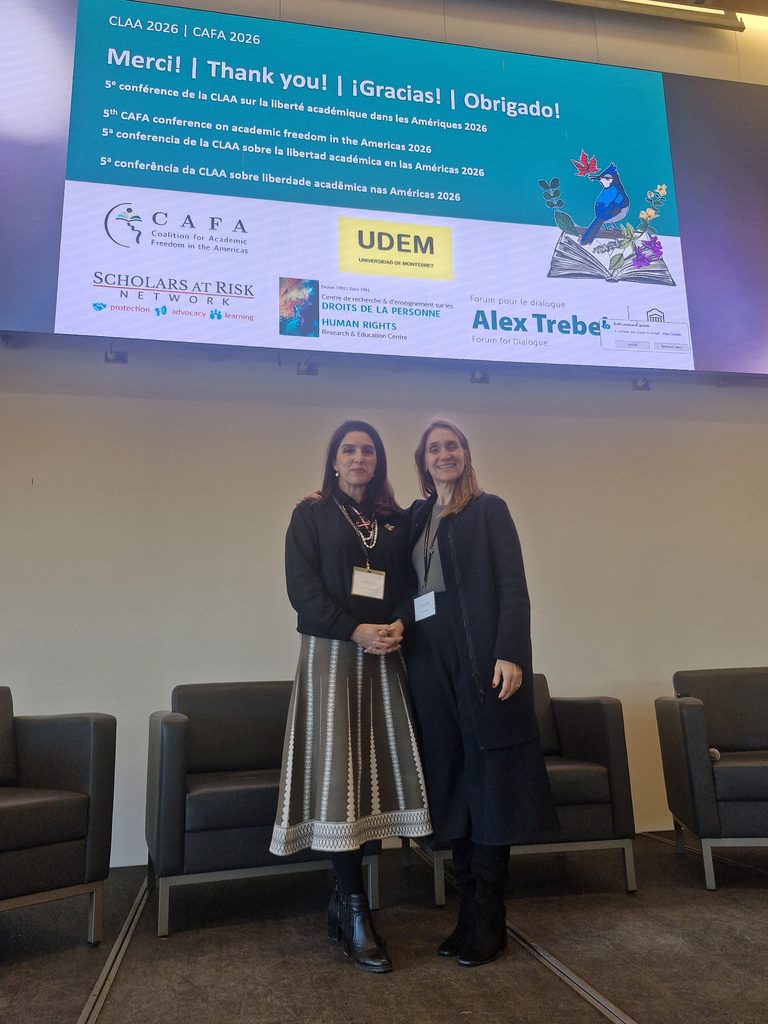
The closing session of the 5th CAFA Conference was led by Viviana Fernandez of the Human Rights Research and Education Centre (HRREC) at the University of Ottawa and Camilla Croso of CAFA. Both highlighted the progress achieved by the Coalition and the importance of strengthening regional alliances to advance the implementation of the right to academic freedom.
Fernandez recalled that the Coalition was founded in 2021 by the University of Monterrey, Scholars at Risk, and the HRREC, with the purpose of raising public awareness and promoting advocacy in defense of academic freedom in the Americas. She also reviewed some milestones that have helped consolidate this field of work: the Inter-American Principles on Academic Freedom and University Autonomy, published in 2021; the United Nations Human Rights Council resolution of July 2025, which recognized academic freedom as a fundamental dimension of the right to education; and the July 2026 resolution on freedom of opinion and expression, which recognized the connections between these rights and the role of academic communities in promoting and protecting them.
Reflecting on the discussions held over the two days of the conference, Fernandez highlighted progress in debates on implementation mechanisms, resistance strategies, the relationship between gender and academic freedom, student participation, and support ecosystems for academics at risk. She also warned of an increasingly complex international context, marked by autocratic tendencies seeking to silence dissent and impose official narratives. In this scenario, she stated, universities are essential spaces for producing evidence, debate, and dialogue, and for enabling citizens to understand and question reality.
Camilla Croso, in turn, emphasized the importance of continuing to build a network of alliances and collective action capable of driving change in institutions and society. The expansion of the Coalition and the addition of new members, together with coordinated work at the national, Inter-American, and international levels, are part of this effort. In her closing remarks, she thanked everyone involved in organizing the conference, as well as the panelists, volunteers, and teams who made the gathering possible.
The closing session reaffirmed CAFA’s commitment to strengthening a sustainable continental network capable of connecting international standards with local realities and promoting academic freedom and university autonomy as essential conditions for democracy.
Full conference recording:
First day
Second day
Photo Gallery