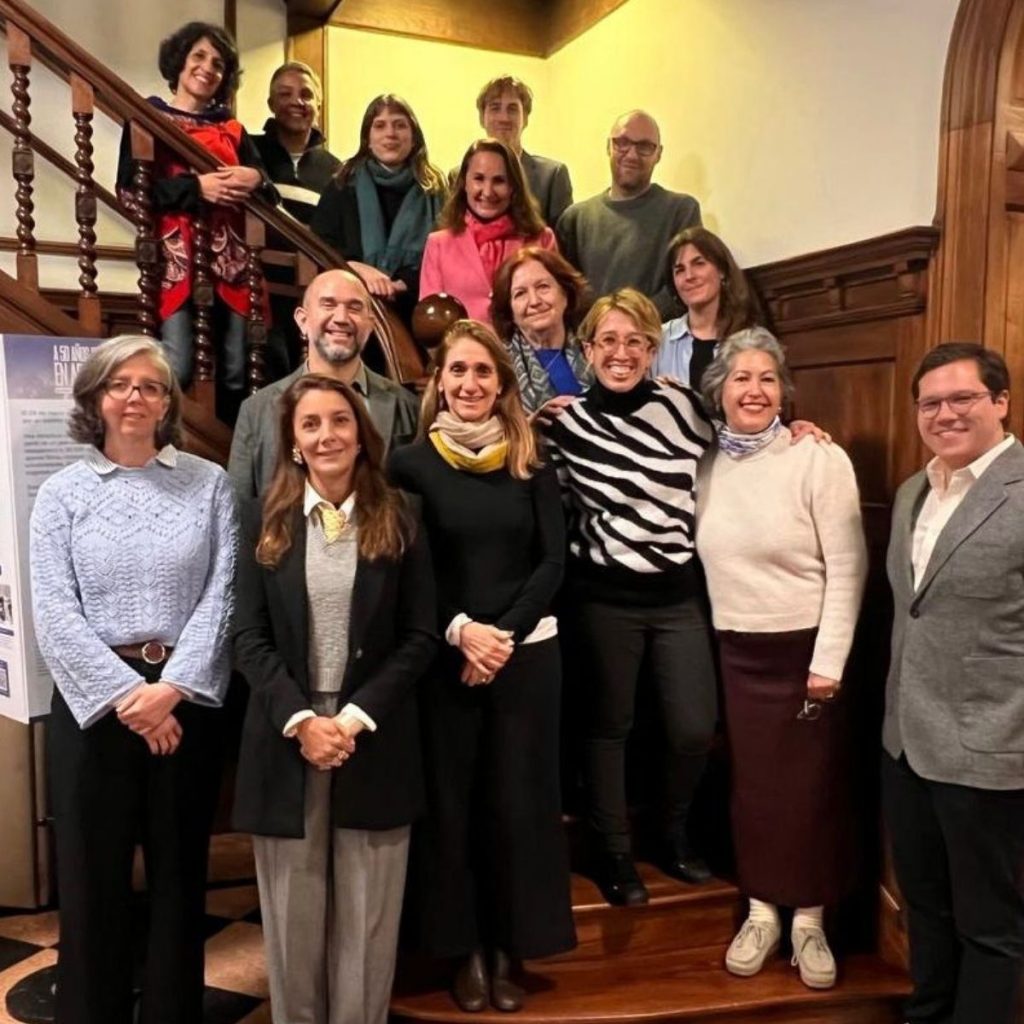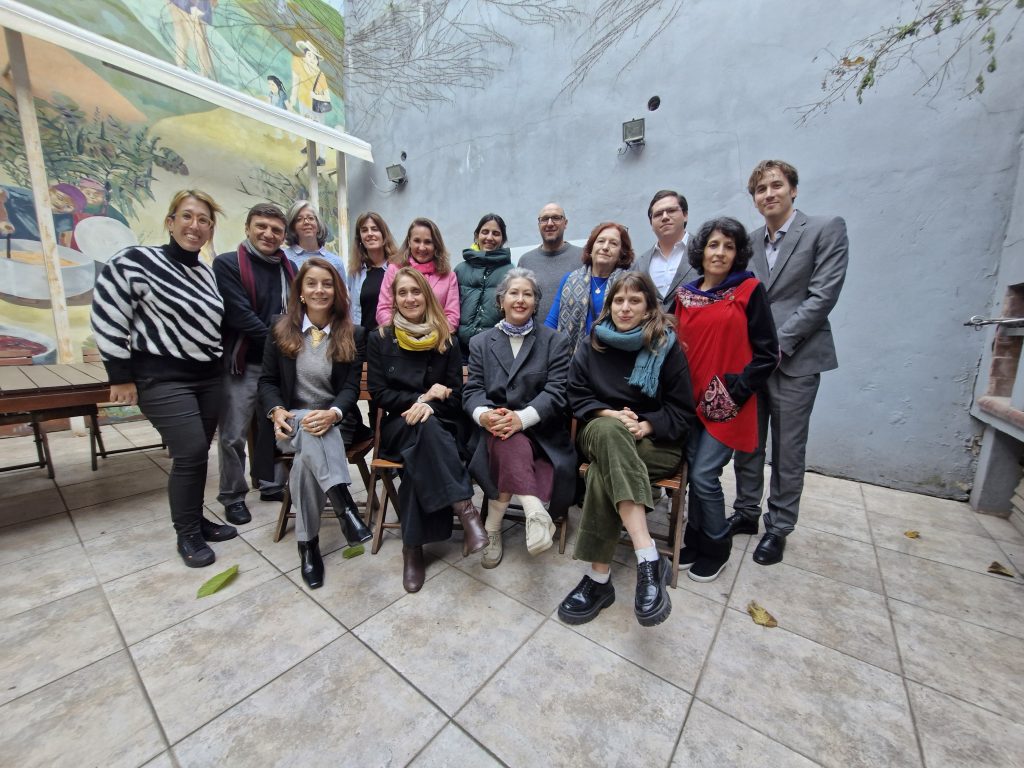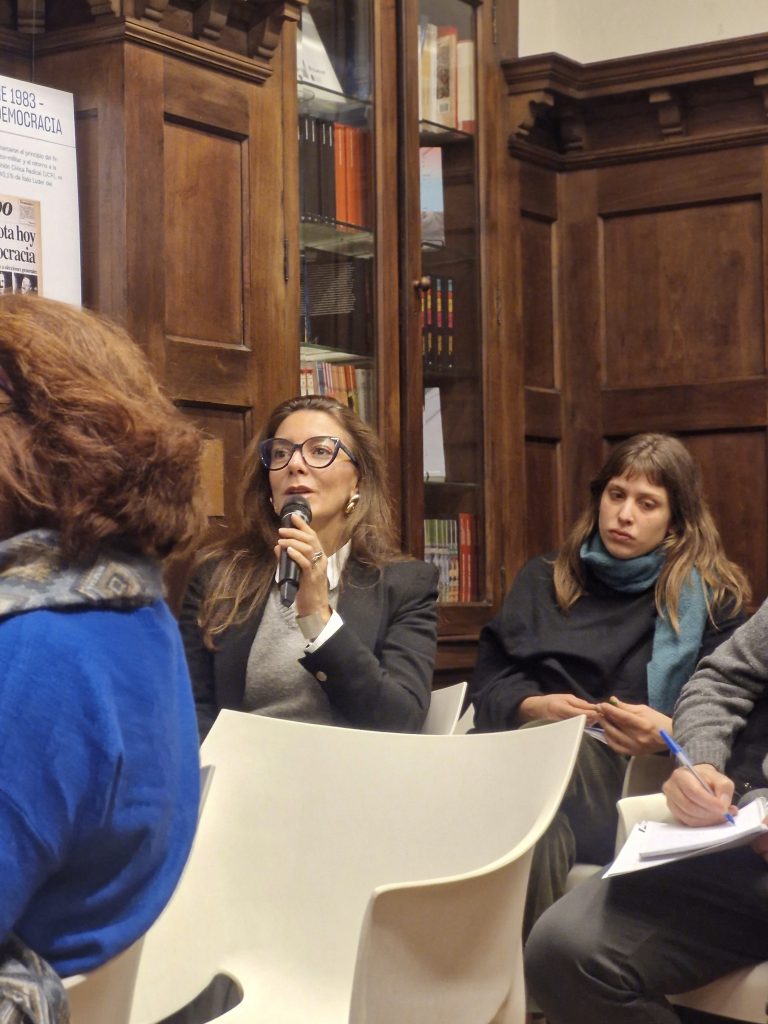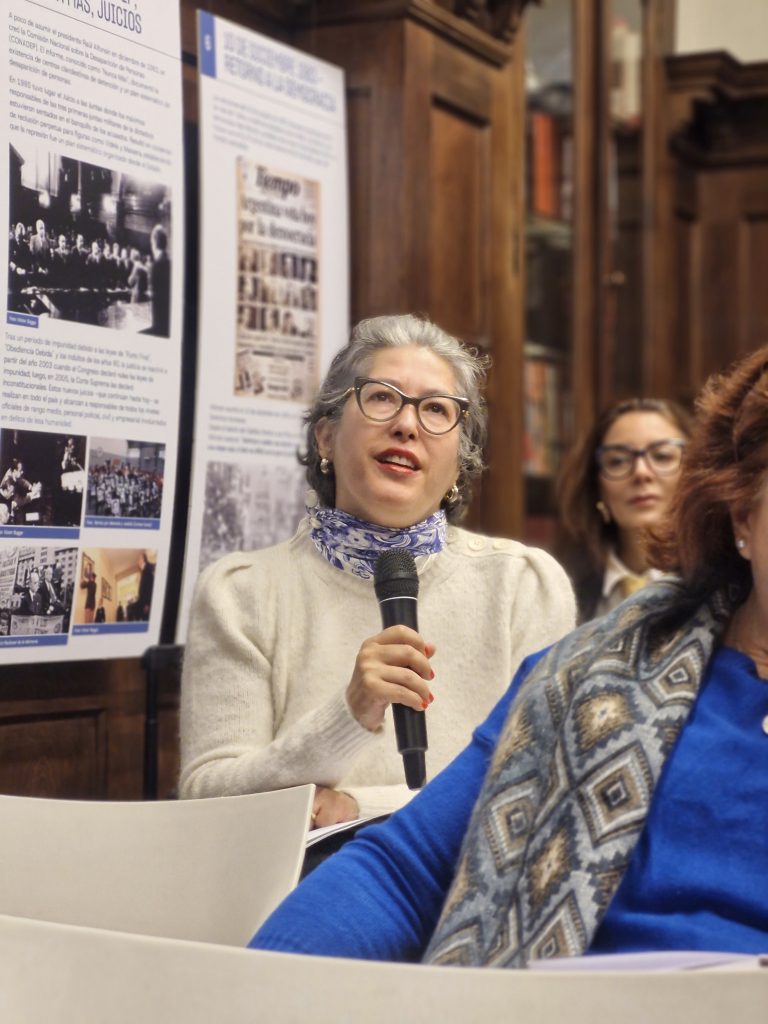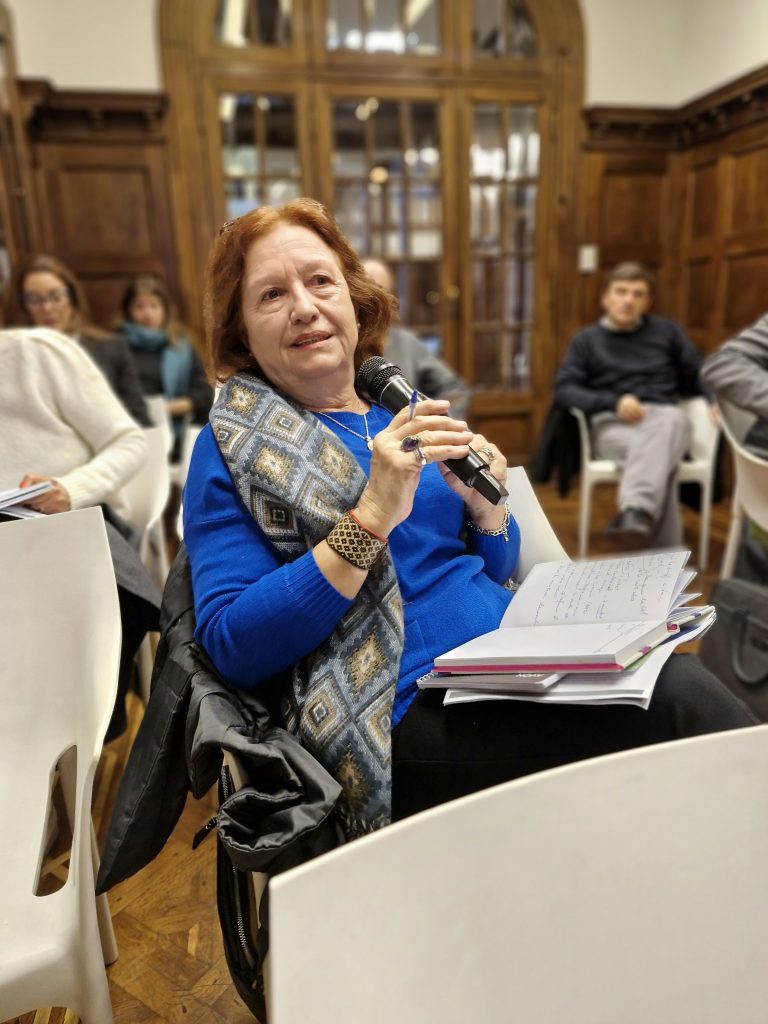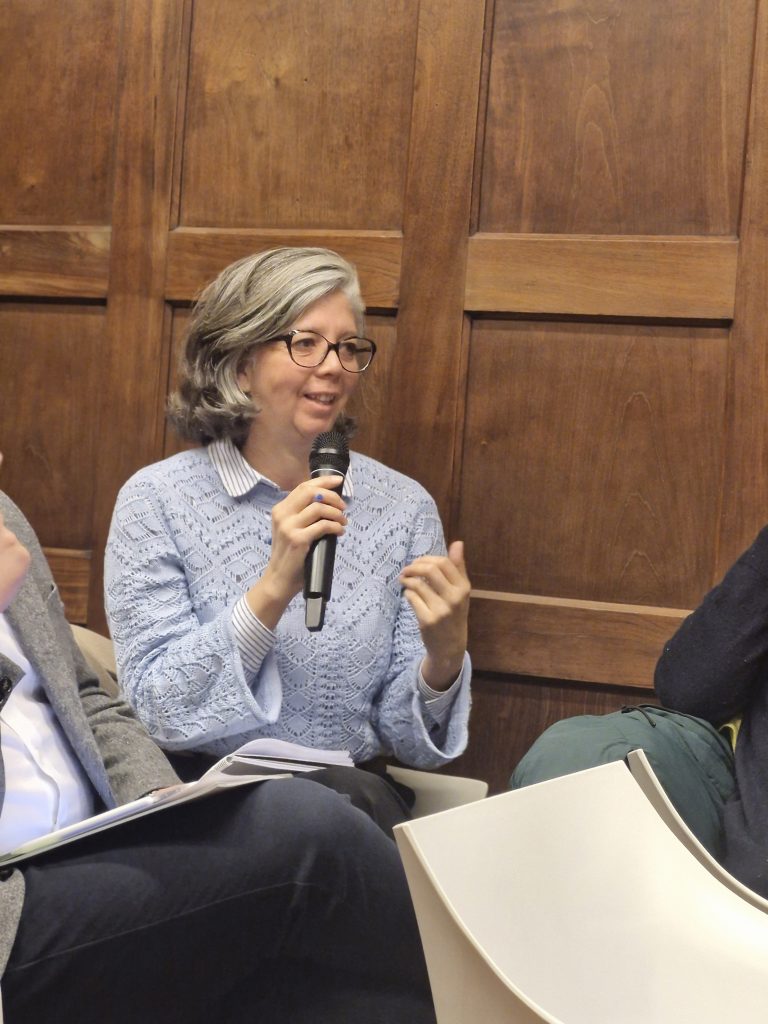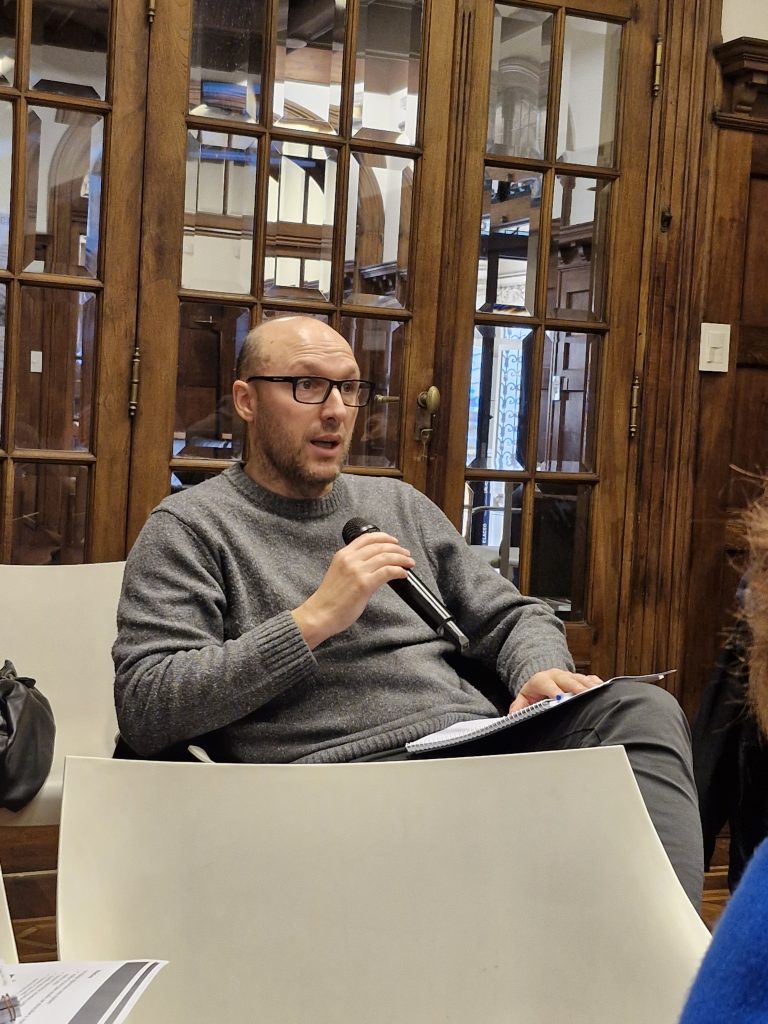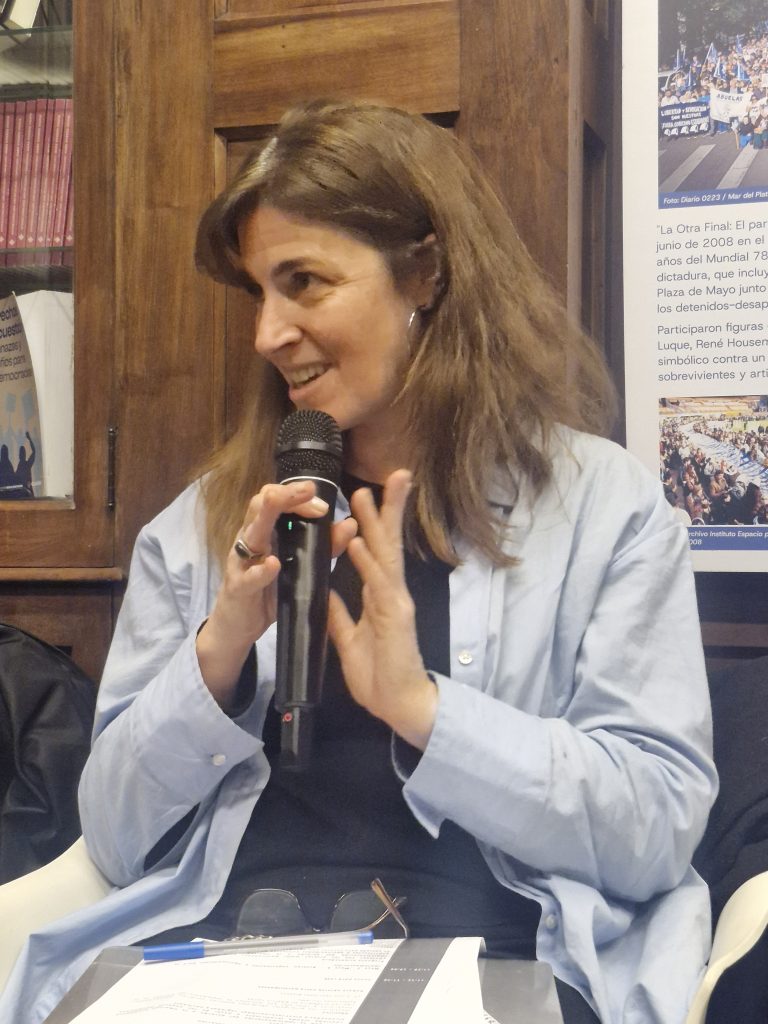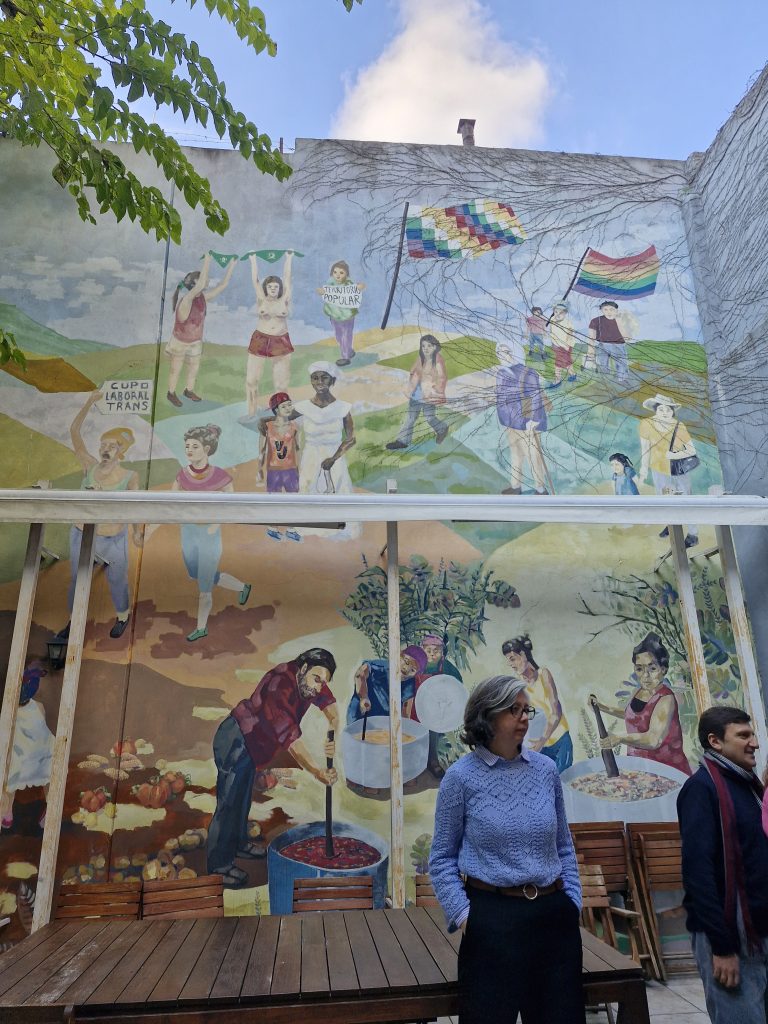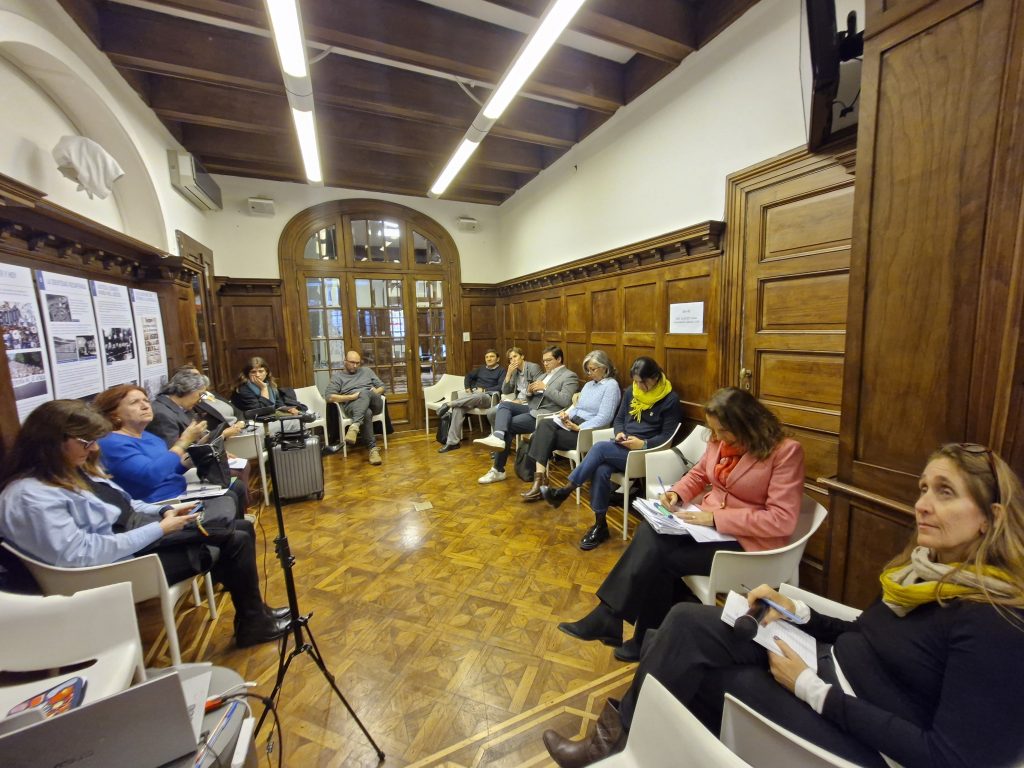
Organized by the Coalition for Academic Freedom in the Americas (CAFA), with the support of NORRAG, the meeting brought together representatives of international organizations, universities, governments, parliaments, and civil society organizations in Buenos Aires to discuss strategies for translating international standards into the effective implementation of academic freedom across the region.
On July 1, 2026, the Coalition for Academic Freedom in the Americas (CAFA), with the support of NORRAG, convened the regional dialogue “Towards the Implementation of the Right to Academic Freedom in Latin America” at the headquarters of the Latin American Council of Social Sciences (CLACSO) in Buenos Aires, Argentina.
The event brought together representatives of international human rights organizations, universities, academic networks, parliaments, governments, and civil society organizations to develop a shared agenda for advancing the implementation of the right to academic freedom across Latin America.
Participants included Camilla Croso and Thais Iervolino, representing the Coalition for Academic Freedom in the Americas (CAFA); Pablo Vommaro and Tereza Arteaga from the Latin American Council of Social Sciences (CLACSO); Carolina Santacruz-Pérez from the International Science Council (ISC); Cecilia Garcés from the Office of the United Nations High Commissioner for Human Rights (OHCHR); Jack Mayerhofer from Scholars at Risk; Laura Rovelli from Argentina’s National Scientific and Technical Research Council (CONICET); Matías Penhos from the Association of Universities of the Montevideo Group (AUGM); Estela Miranda from the MERCOSUR Higher Education Studies and Research Center (NEIES); Estela Rivero from the Central America Research Alliance (CARA); Clara Chevalier from the National Federation of University Teachers (CONADU); Flávia Piovesan, Professor at the Pontifical Catholic University of São Paulo (PUC-SP) and former member of the Inter-American Commission on Human Rights (IACHR); Sebastián Sabini from the Senate of Uruguay and the Latin American and Caribbean Parliament (Parlatino); and Daniel Corredor-Llorente, an expert on freedom of expression within the international human rights system.
“The region has made significant progress in developing standards for the protection of academic freedom. The challenge now is to translate these principles into public policies, legislation, institutional mechanisms, and concrete practices that ensure the effective exercise of this right. This dialogue represents an important step toward building a regional and collaborative implementation agenda,” said Camilla Croso, Chair of CAFA’s Board of Directors.
From International Standards to Effective Implementation
The first part of the meeting focused on developing a shared assessment of the current state of academic freedom in Latin America.
Opening presentations examined regional and global trends, the progress achieved through the Inter-American Principles on Academic Freedom and University Autonomy (IACHR, 2021), the report of the United Nations Special Rapporteur on the Right to Education, and the Global Principles for the Implementation of the Right to Academic Freedom, both published in 2024.
Participants agreed that, despite these important legal and policy advances, a significant gap remains between the formal recognition of academic freedom and its effective implementation.
Among the principal challenges identified were democratic backsliding, attacks on university autonomy, chronic underfunding of higher education and research, the growing precarity of academic work, disinformation campaigns, and increasing political and economic pressures on knowledge production.
Participants also emphasized that threats to academic freedom do not originate solely from governments. They highlighted the growing influence of market and commercial interests over research agendas, scientific funding, and the autonomy of higher education institutions.
A Multi-Stakeholder Agenda for Academic Freedom
One of the dialogue’s main contributions was identifying the actors best positioned to advance the implementation of the right to academic freedom.
Discussions underscored the role of universities in producing knowledge, educating future generations, and establishing institutional protection mechanisms; the responsibility of legislative and executive authorities in developing public policies and legal frameworks; the role of the judiciary in strengthening legal standards; and the contribution of international organizations, civil society organizations, academic networks, labor unions, and student movements in documenting violations, advancing advocacy, and monitoring developments across the region.
Participants also highlighted the importance of strengthening regional cooperation through comparative research, research networks, exchanges of good practices, and international mechanisms that facilitate academic mobility and the recognition of higher education qualifications.
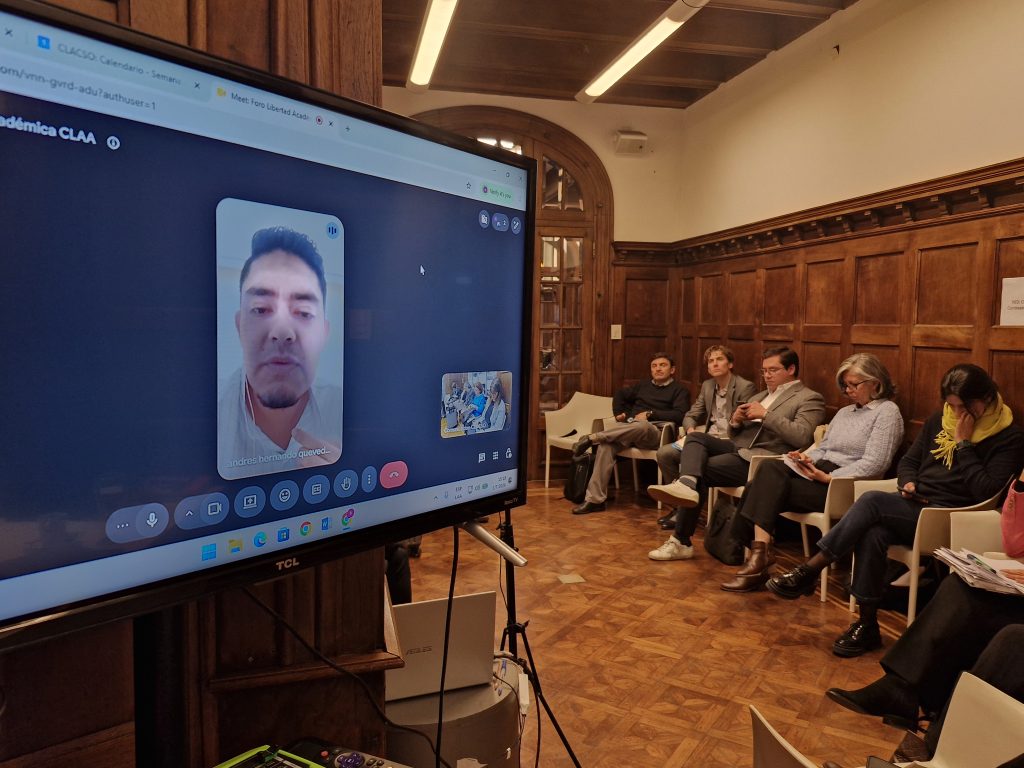
Within this context, Andrés Hernando Quevedo Ávila of Colombia’s Ministry of Education presented the country’s recent accession to UNESCO’s Global Convention on the Recognition of Qualifications concerning Higher Education, highlighting its contribution to promoting academic mobility and expanding access to higher education for migrants and refugees.
Sebastián Sabini, Senator of Uruguay and member of Parlatino, emphasized the potential of national and regional parliaments to translate international standards into legislation and public policy. Carolina Santacruz-Pérez of the International Science Council highlighted the need to strengthen the relationship between academic freedom, the right to science, and scientific knowledge as a global public good.
Strengthening Networks, Preserving Institutional Memory, and Expanding Advocacy
Participants agreed that effective implementation requires a comprehensive strategy connecting human rights, education, science, public policy, and international cooperation.
To this end, they proposed expanding comparative research, documenting successful implementation experiences, creating regional databases of good practices, and developing communication strategies that bring academic freedom closer to society through personal stories, historical memory, and evidence of its contribution to democracy.
During the discussion, Flávia Piovesan, Professor at the Pontifical Catholic University of São Paulo (PUC-SP) and former Commissioner of the Inter-American Commission on Human Rights, emphasized the importance of strengthening a shared human rights framework to support the implementation of academic freedom while deepening analysis of the role played by public institutions and judicial systems in protecting this right.
Laura Rovelli, researcher at CONICET, observed that debates on academic freedom are part of a broader discussion about the models of universities, science, democracy, and development that Latin American societies seek to build. She stressed the importance of strengthening comparative research and expanding regional partnerships.
Next Steps
The recommendations emerging from the dialogue will serve as the foundation for a regional agenda on the implementation of the right to academic freedom and will help guide CAFA’s future advocacy efforts.
As the next phase of this process, the Coalition plans to convene two additional regional dialogues—one focused on Mesoamerica and another on the United States and Canada—to broaden the discussion across the Americas and further strengthen a continental cooperation agenda for the protection of academic freedom.
The meeting reaffirmed that effectively implementing academic freedom requires not only robust legal frameworks, but also strong political, institutional, knowledge, and financial infrastructures that foster political will, democratic governance, sustainable funding, international cooperation, and broad collaboration among the diverse actors committed to defending this fundamental human right.
Photo gallery